
Sethi Muhallah is a remarkable 19th-century establishment with stunning ancient architecture. I visited “Sethi House,” one of the twelve original houses in the area. The Sethi family was a trading family that conducted business from Central Asia to Europe. The Sethi House is now a museum, managed by the heritage department, and is still undergoing renovations.
Builders primarily construct the house from bricks, wood, sand, and jute, featuring beautiful carvings and intricate glass and woodwork. The ceilings showcase exquisite geometric designs crafted by artisans from distant regions, with each room featuring unique glasswork. The thoughtful architecture allows sunlight to illuminate every part of the house, including the double basement, thanks to ventilation.
A central courtyard houses a fountain, and a water supply is on every floor through a single water well and small tanks built into the walls. Each room includes a chinikhana (chimney) adorned with decorative wall designs. There is also a large safe in the basement where the family stores money and valuables. According to the caretaker, during World War II, the family lost a significant amount of wealth, stored in Russian currency.
Sethi House is definitely worth visiting! However, it requires funding and attention to help preserve its beauty and history.
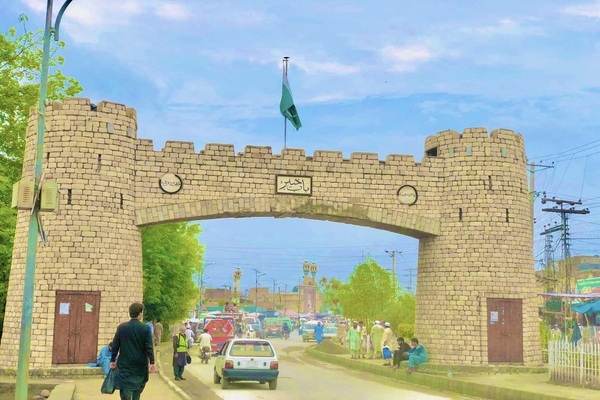
Islamia College should undoubtedly be on every tourist’s to-do list when visiting Peshawar. It is a breathtakingly beautiful building steeped in history, with its majestic walls transporting you back in time and lush green lawns inviting visitors for a stroll. No matter how much time you spend there, it never feels like enough.
Constructed by British colonialists in the early 20th century, Islamia College Peshawar is a center of educational excellence and a hub of Pakhtun culture. The layout and architecture of this grand historical building are stunning, reflecting the architectural aesthetics of its creators.
Qissa Khawani Bazaar, literally translated as “Story-tellers Bazaar,” evokes romantic images of old people huddled together sharing tales over hot tea. Although the bazaar may have looked this way generations ago, it has transformed into a bustling marketplace where vendors sell dry fruits, tea, and spices in narrow streets divided into sections.
Despite the changes, it remains worth visiting for its history, diverse landmarks, and shopping. Visitors should prepare for a bustling tourist attraction rather than an enchanting scene from the Arabian Nights.
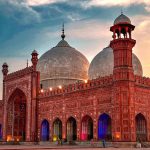
The Mahabat Khan Mosque is a 17th-century Mughal-era mosque located in Peshawar, Pakistan. They built it in 1630 and named it after Nawab Mahabat Khan Ali Mardan Khan, the Mughal governor of Peshawar. The mosque’s white marble façade is one of Peshawar’s most iconic sights.
The mosque is amidst crowded bazaars, and during my visit to this historical masterpiece, I parked my car on Hakeem Ullah Jan Road and walked through Sarafa Bazaar, entering from the south entrance gate. The mosque has three entrances, with the main one being on the west side.
Inside, the mosque features an open courtyard with a centrally-located ablution pool and a single row of rooms lining the exterior walls. The architects designed the rectangular prayer hall and flanked it with two tall minarets, which they divided into three sections.
The museum within the mosque is breathtaking, showcasing magnificent architecture and well-preserved craftsmanship. It houses a collection of over 1,000-year-old Buddhist artifacts displayed beautifully on the first floor, each accompanied by a sign describing it in both English and the local language. The second floor features more recent history of the local people, but due to time constraints, we were unable to explore that section, and we hope to return soon.
This building dates back to the 18th century and boasts a collection of Buddhist artwork from the ancient Gandhara Empire. The current collection includes nearly 14,000 items related to Gandhara, Greco-Buddhist, Kushan, Parthian, and Indo-Scythian life.
Examples of the artifacts include art, sculptures, coins, manuscripts, statues, ancient books, early versions of the Quran, weapons, clothing, jewelry, Kalash effigies, inscriptions, paintings from the Mughal and later periods, household items, pottery, and local and Persian handicrafts.
Hisaar Bala Fort is another remarkable historical site worth visiting. Featuring an impressive exterior and well-maintained interior, it also serves as the workplace for armed officials. While certain areas are off-limits to the public, most of the fort is open for visitors to explore.
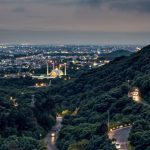
Historical notes are available throughout the site, and a museum displaying pictures of well-known political figures and historical facts. The rooftop of the fort offers a fascinating view of Peshawar City, particularly Qissa Khawani Bazaar.
Sethi Muhallah is a remarkable 19th-century establishment with stunn