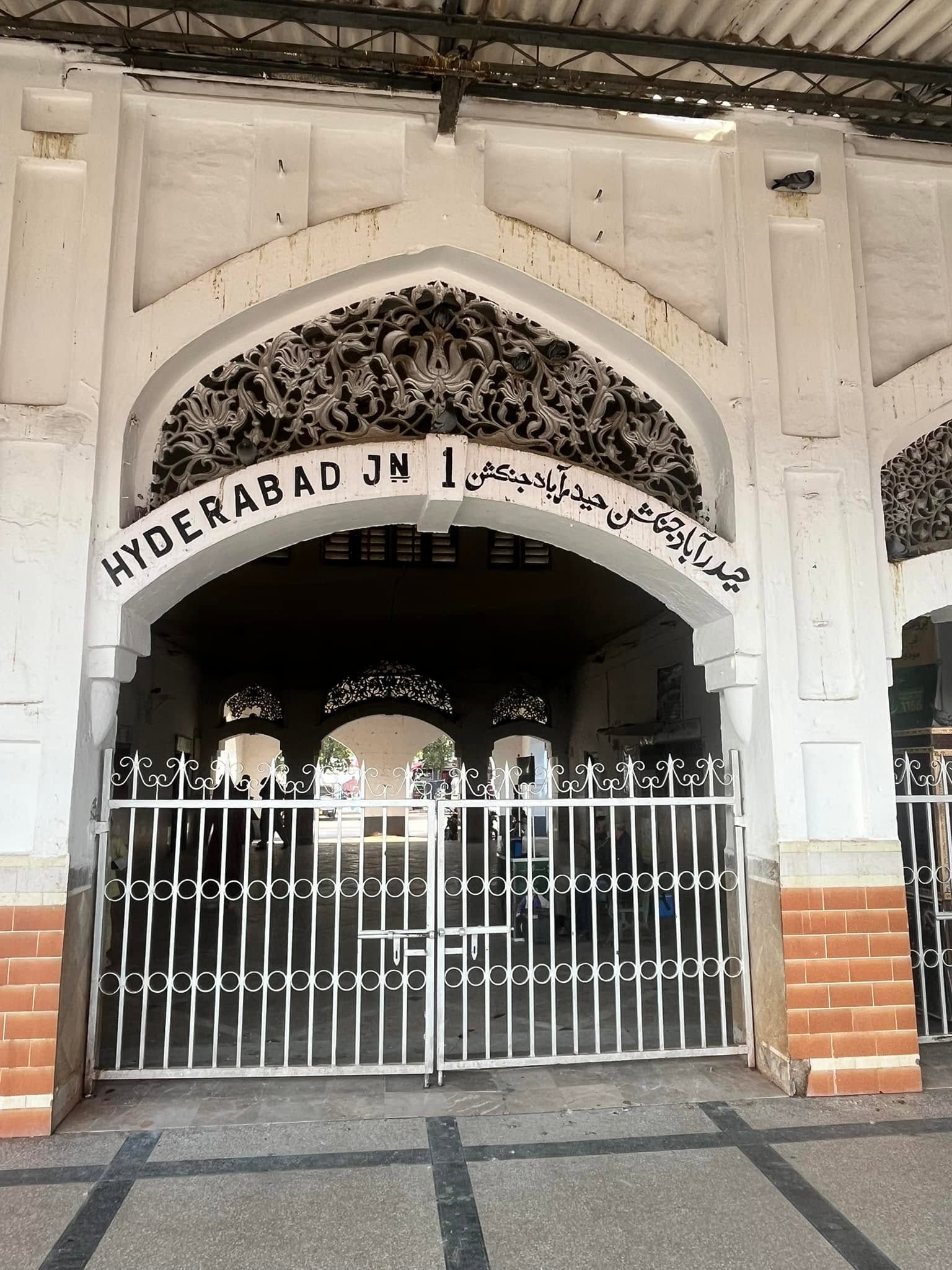

Hyderabad is a city in Sindh province, Pakistan. It is Sindh’s second-largest city and Pakistan’s sixth-largest. Known for its rich history, intricate architecture, and numerous historical sites, Hyderabad was founded in 1768 by Mian Ghulam Shah Kalhoro of the Kalhora dynasty. The city served as the capital of Sindh until 1847, when it was transferred to the British Bombay Presidency.
The name “Hyderabad” translates to “Lion City,” and it is believed to be inspired by the fourth Caliph of Islam, Hazrat Ali, who is sometimes referred to as Hyderabad.
Now, let’s explore some of the top tour attractions that make Hyderabad, Pakistan, a captivating destination:
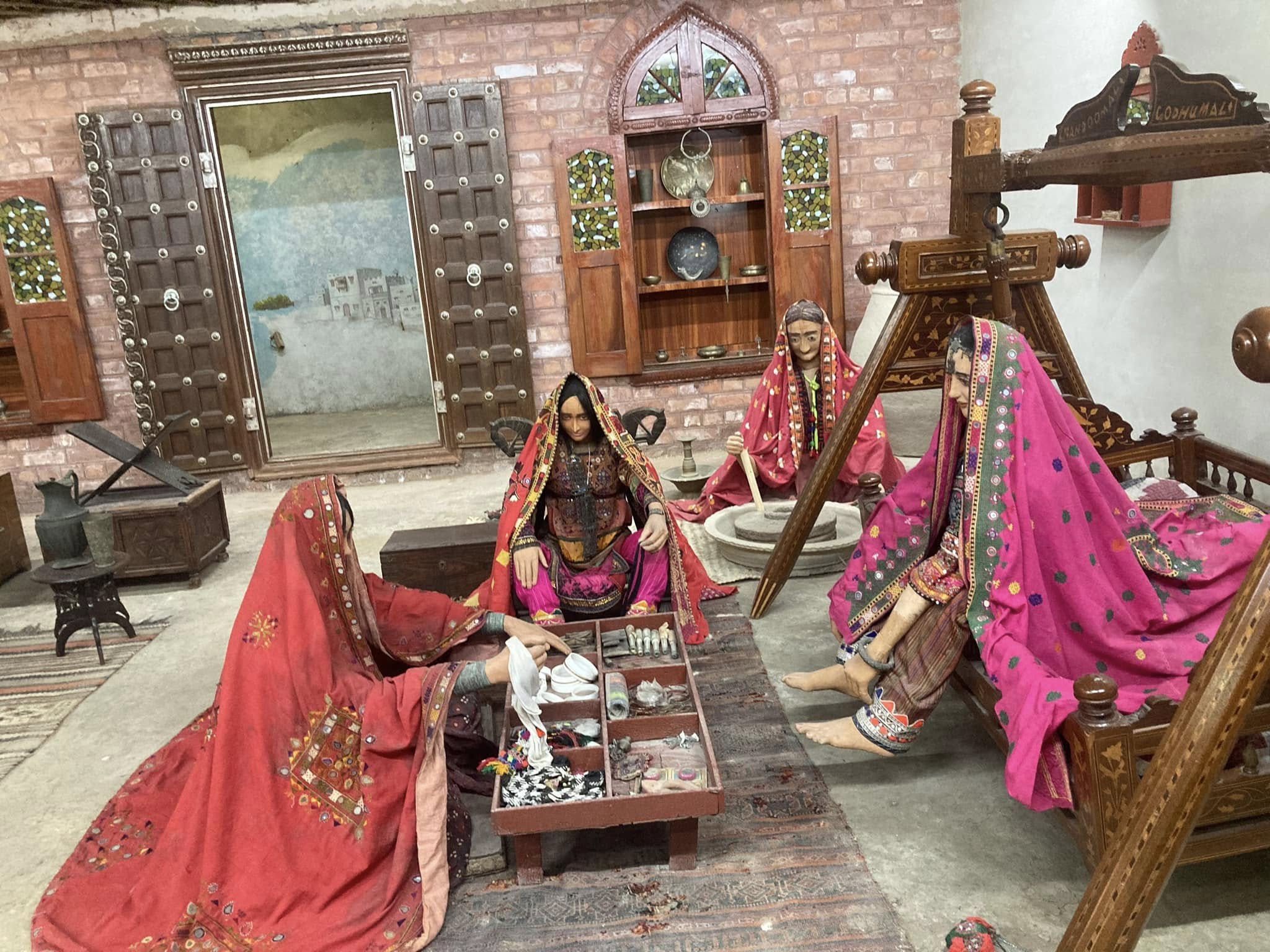
The Sindh Museum in Hyderabad is a fascinating cultural hub that highlights Sindh’s rich history and traditions. Founded in 1971 and overseen by the Sindh Department of Culture, the museum offers a well-organized experience for visitors interested in the Indus Valley civilization and the different epochs of Sindh’s historical development. Located in Rani Bagh, Qasimabad, the Sindh Museum provides a fascinating glimpse into the rich culture and history of the people of Sindh.
The Government entry fee is very economical: Rs. 30 per head.
This is a wonderful spot to spend a few hours exploring Sindh’s heritage. The museum has a wide range of historical items, national costumes, and traditional artifacts. The staff is friendly, and the atmosphere is peaceful and educational. Some displays could use more detailed written descriptions for visitors, but overall, it’s a great place to visit with family or for school trips.
Due to load-shedding, the ACs aren’t working, so it is a bit hot but acceptable.
The museum boasts an impressive collection of rare items from the ancient Indus Valley civilization, including artifacts from Mohenjo-daro, as well as exhibits representing the Samma, Soomra, Kalhora, and Talpur dynasties.
In the outdoor section, life-sized models and dioramas vividly depict traditional rural Sindhi life, showcasing huts, artisans, farmers, and everyday scenes that bring the culture to life.
Visitors will find a delightful handicraft store offering a variety of local products, including Sindhi ajrak (block-printed shawls), caps, pottery, and other handmade treasures.
Nestled within the museum grounds, this inviting café is popular for hosting literary events and offers a cozy atmosphere for visitors to unwind.
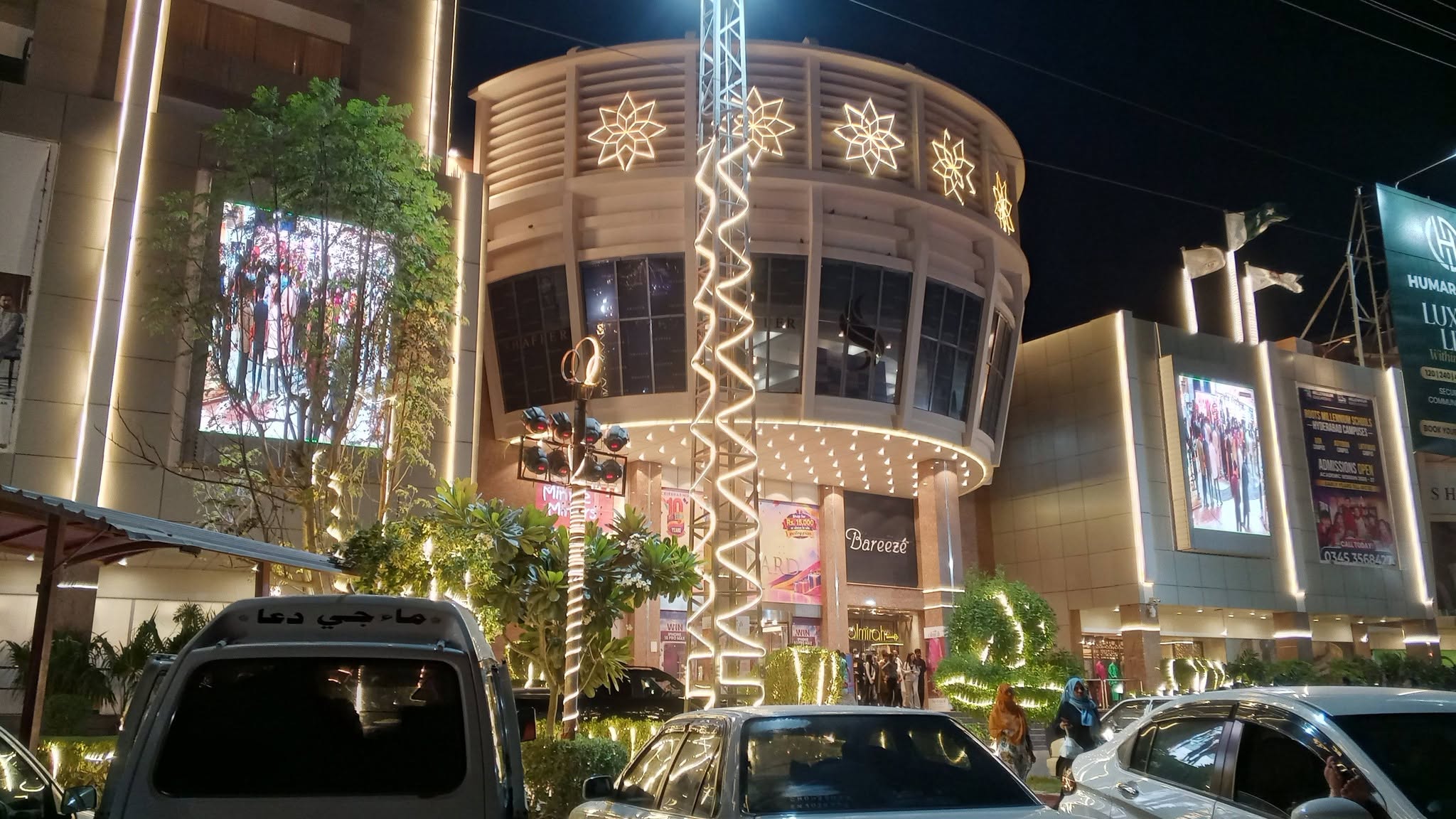
Boulevard Mall is a modern and upscale shopping destination in the vibrant metropolis of Hyderabad, the second-largest city and cultural capital of Sindh. This mall rivals contemporary shopping centers in Canada and Europe.
It offers a one-stop experience for endless fun, shopping, fine dining, grocery shopping, and a cinematic experience. Dedicated play areas for kids and adults, complete with gaming zones, and a variety of world-renowned brands offer a relaxed shopping experience.
Boulevard Mall stands out with its modern architecture and spacious layout. The clean, well-lit corridors and thoughtfully designed interiors create an inviting environment. Soft background music and strategic seating arrangements add to the mall’s relaxing atmosphere, encouraging visitors to linger and enjoy their time.
Boulevard Mall is the premier go-to place in Hyderabad for shopping, food, and entertainment all in one place. It is a centrally air-conditioned mall with spacious walkways and shops. The top floor is dedicated to major fast-food and local food chains. It also has a cinema, CINEPAX, where it regularly screens the latest movies. Overall, it’s a great place for the whole family to go out.
In addition to shopping, Boulevard Mall features a supermarket for convenience, a cinema showing the latest films, a food court with delicious options, and a dedicated play area for children. The mall also has a robust security system to ensure a safe and pleasant environment for all visitors.
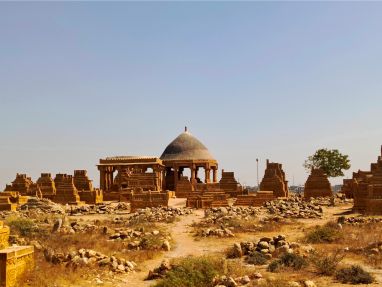
Tombs of Talpur Mirs, also known as Cubbas, in mid-February 2015. These tombs are situated in Hyderabad, Sindh, Pakistan, and are the final resting places of the ruling Talpur Mirs of Sindh. The Talpur Mirs governed the region from 1784 until 1843.
The tombs are surrounded by an area maintained by the city municipality, which aims to promote them as a tourist attraction. However, in my opinion, the Culture Department of the Government of Sindh is not doing enough to preserve this important heritage effectively.
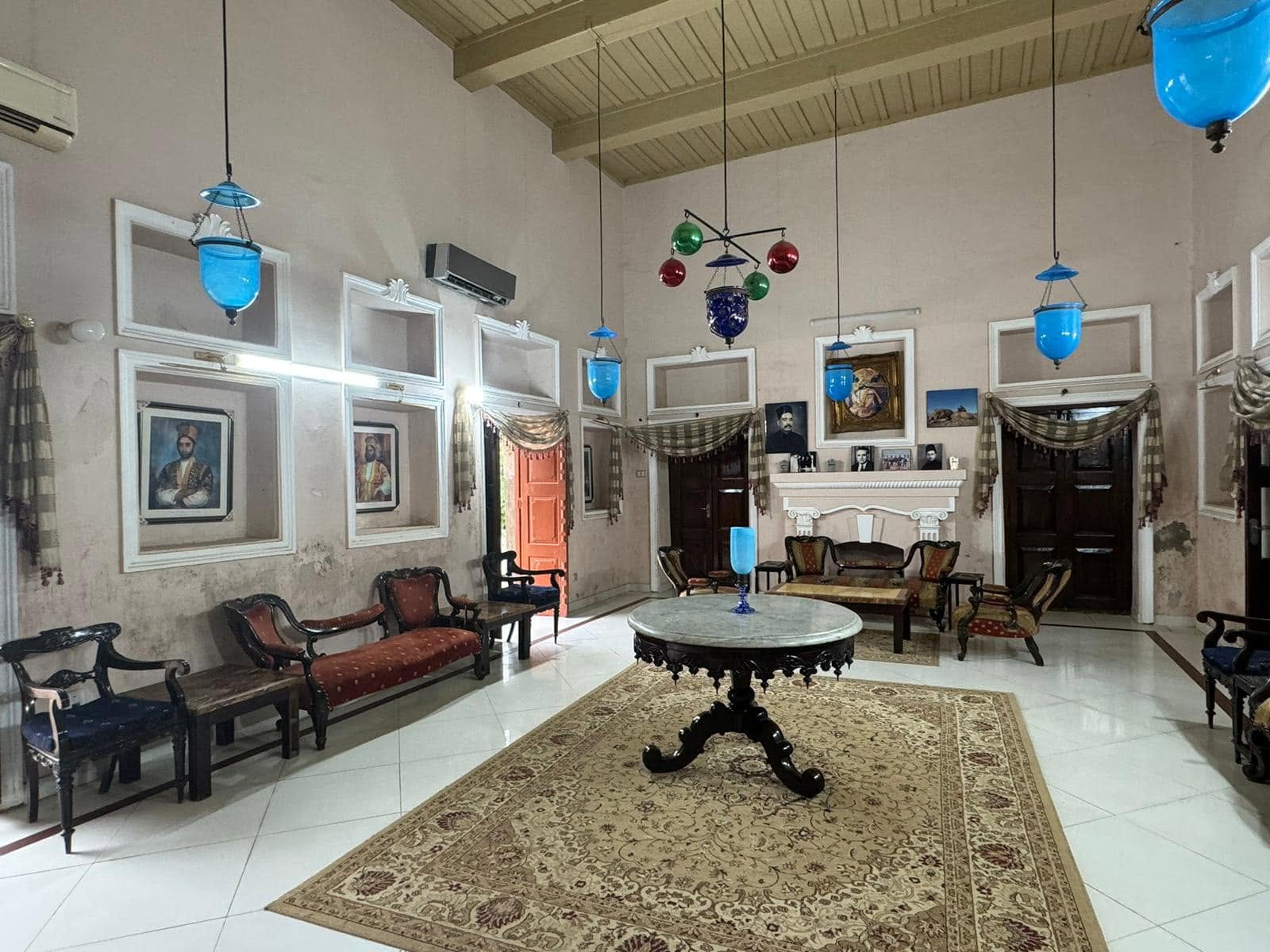
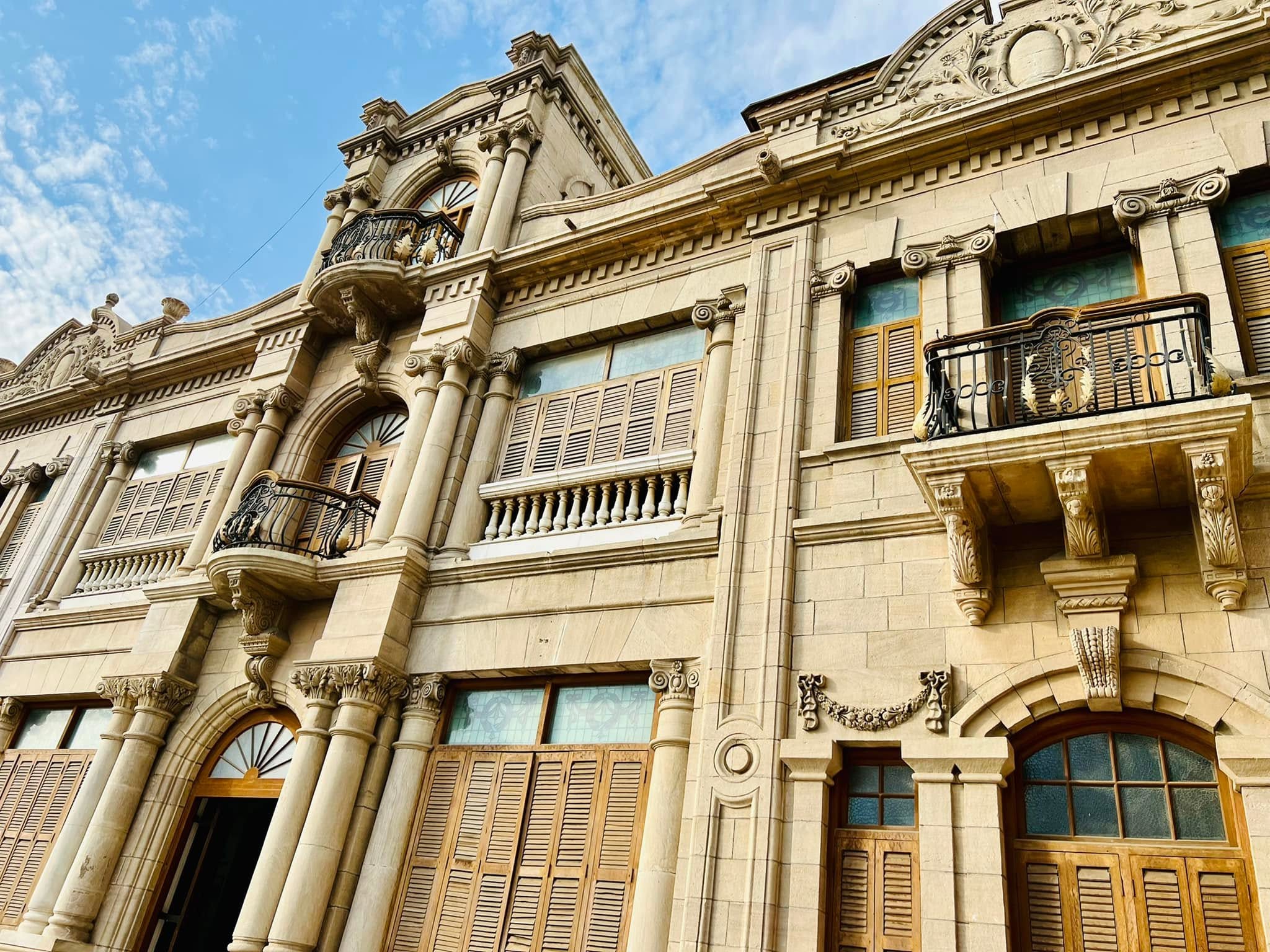
The Mukhi House, also known as Mukhi Mahal Museum, is a historic building in Hyderabad, Sindh. It resembles a castle and is a beautiful example of architectural art. Built around 1921 by the influential Hindu Sindhi family known as Jetha Nand Mukhi, it has captured many people’s attention. The Department of Archaeology now oversees the building and plans to convert it into a museum.
The museum is near the historic Pakka Qila (fort) and is open from 10 AM to 5 PM, Tuesday through Sunday, with tickets priced at PKR 300 for adults and PKR 150 for children and students. Guided tours are available for those seeking a more in-depth experience. This cultural landmark showcases Hyderabad’s unique blend of history, art, and heritage.
Bad Experience: The staff was very rude and unfriendly. They wouldn’t let us make a video of this lovely place, and they didn’t even speak politely.
Please note that because of its old architectural design, there is no accessible entrance or parking. The museum features Mukhi family belongings and historical photographs. It is a must-visit destination for history and architecture enthusiasts.
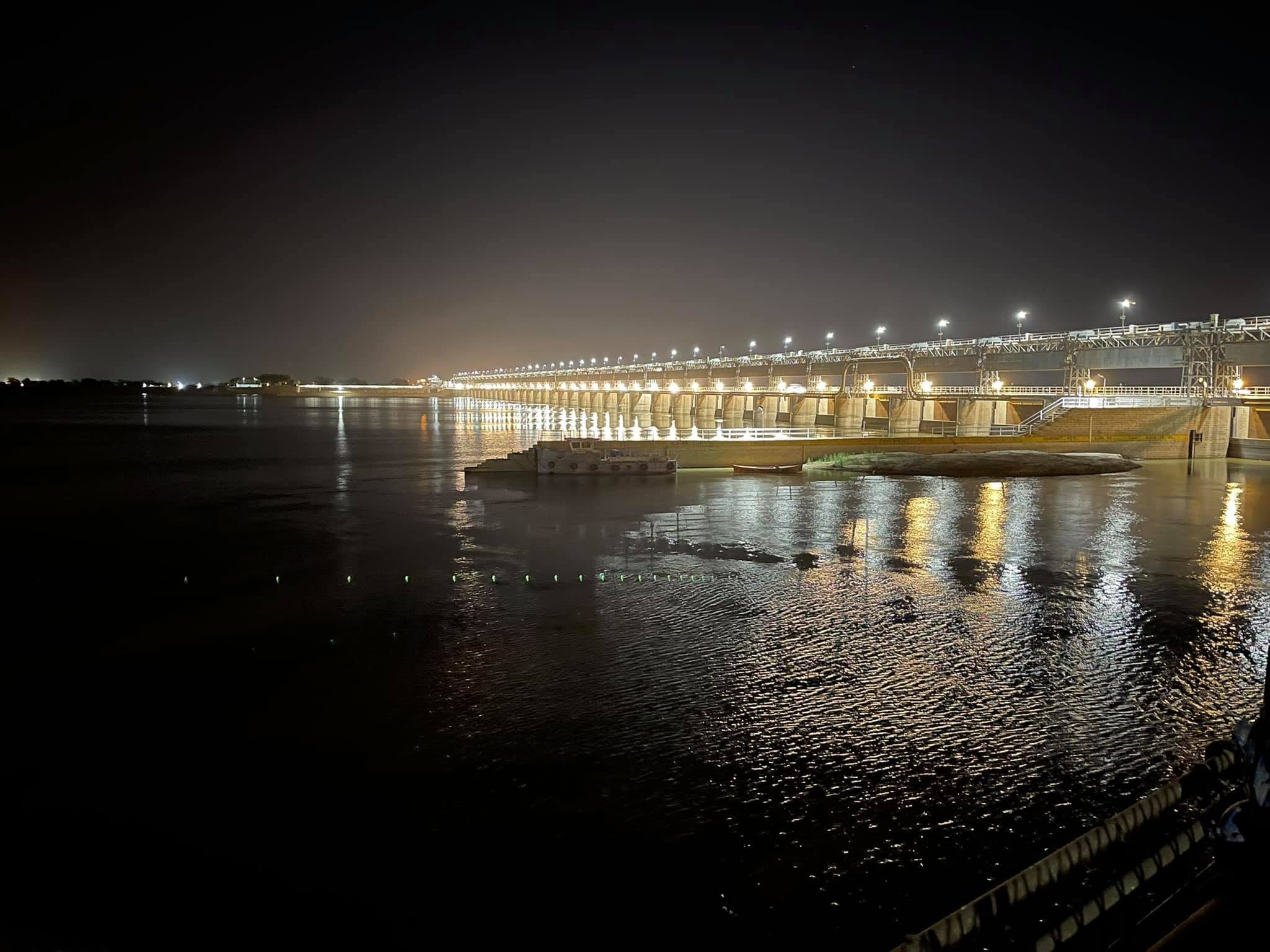
The Kotri Barrage, constructed in 1955, plays a crucial role in regulating water flow for irrigation and preventing saltwater intrusion into Sindh’s fertile lands. This impressive structure was built with significant engineering efforts, specifically focused on managing the flow of the mighty Indus River. At the time of its construction, the total cost was 935 million Rupees, and it spans 1.6 kilometers (1600 meters).
Designed as a gate-controlled, weir-type barrage, it has 44 bays, with each gate measuring 18 meters (60 feet) wide. The barrage has an impressive discharge capacity of 875,000 cubic feet per second (cusec) and demonstrated its resilience during the 2010 flooding season when it successfully handled 963,000 cusec of water.
The maximum flood level height recorded at the Kotri Barrage is 13.1 meters. The Sindh Irrigation and Power Department maintains the facility, underscoring its importance to the region’s irrigation and flood management efforts.
It’s a perfect spot for unforgettable photos while you soak in the tranquil atmosphere.
Badshahi Bungalow, the historic palace of Prince Mir Hassan Ali Khan Talpur, is a remarkable site located in Tando of the Talpur Mirs, specifically in Latifabad Unit No. 4. Constructed in 1863 AD, this palace showcases the rich heritage of the Talpur Era, featuring fifty beautifully adorned rooms filled with treasures, including beds with glass legs, paintings of Talpur rulers, and exquisite crystal crockery.
Currently under the custody of Mir Haider Ali Khan Talpur, the palace is open to the public, allowing visitors to explore a wealth of artifacts related to the great Mughals.
However, as it is private property, you must obtain permission from the Mir sahaban before visiting. Badshahi Bungalow is certainly a must-visit for anyone interested in the history and opulence of the Talpur dynasty.
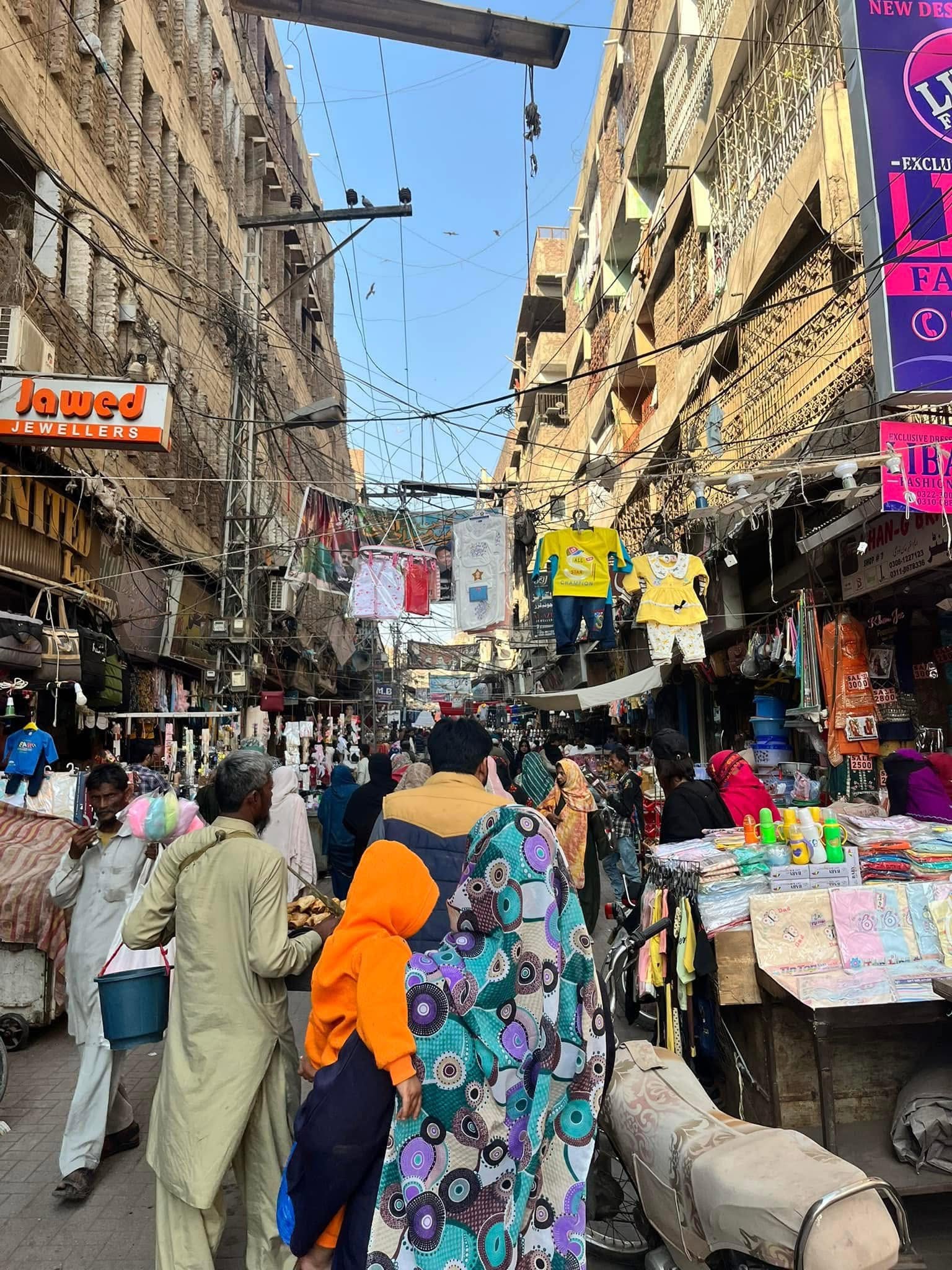
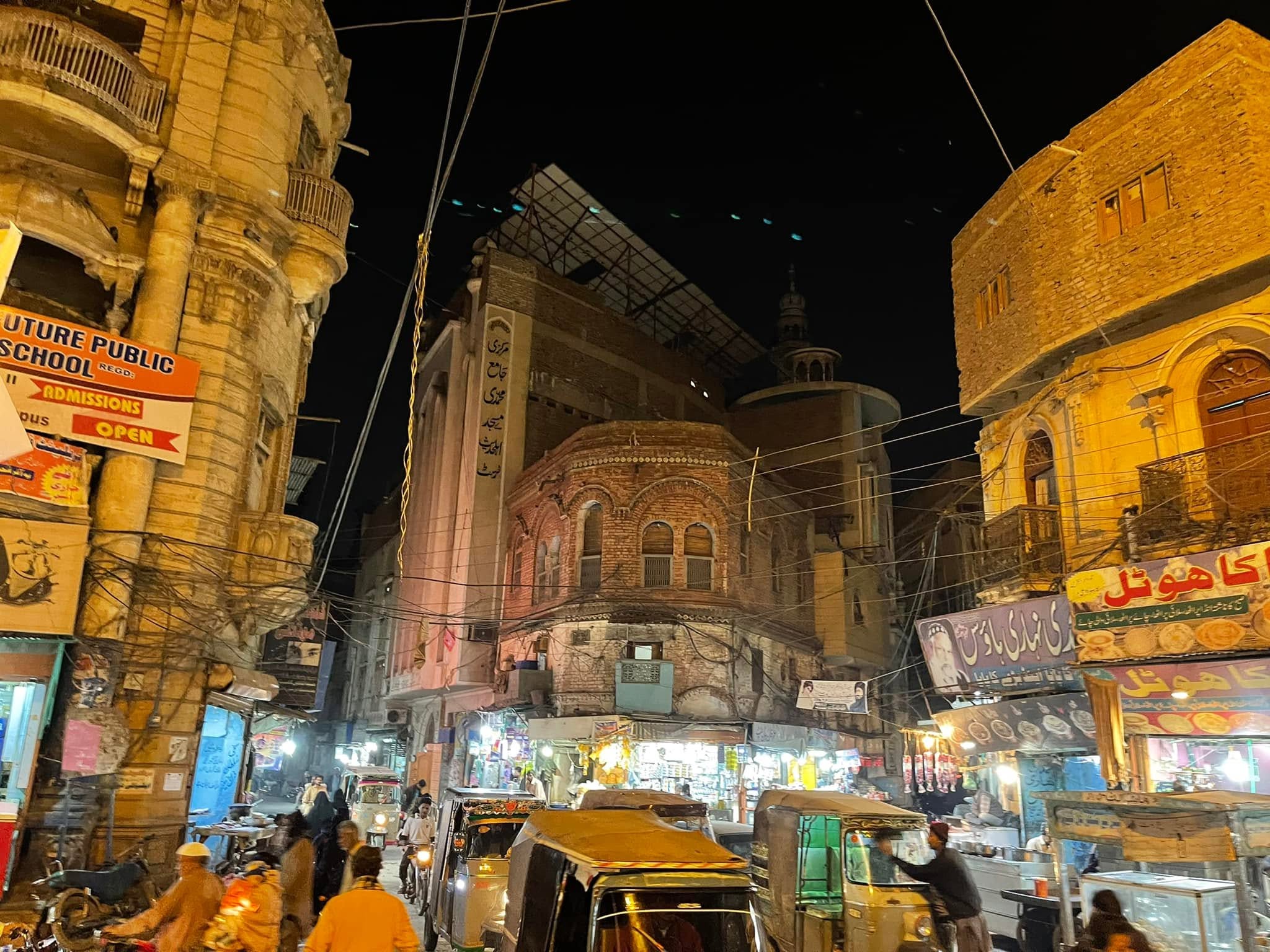
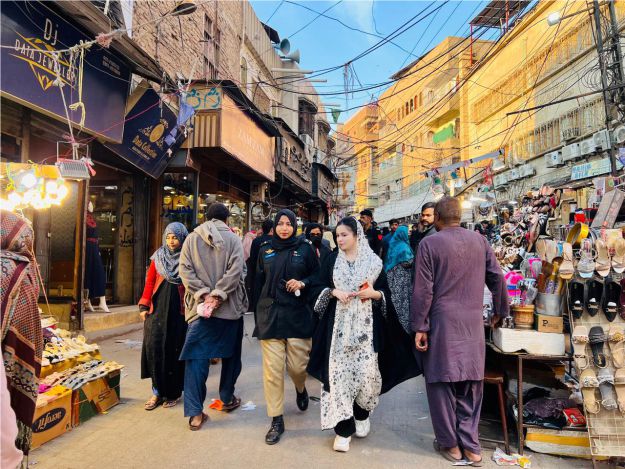
The Bazaar is also known as Resham Bazaar, as “Resham” is the Urdu word for silk. It features a wide range of silk, cotton, lawn, and other types of women’s attire. Additionally, you will also find a wide variety of jewelry, bags, household items, and crockery. This bazaar connects to other major markets in Hyderabad, including Choti Gitti, Faqir Ka Pir, Shahi Bazar, Tilak Charhi, and Bhai Khan Charhi.
The Bazaar is a long road lined with numerous offshoots on both sides. This historic marketplace in Hyderabad is a must-visit. It is particularly famous for its bangles made from raw materials and glass.
The area tends to be crowded and isn’t very clean, so if you have allergies, it may be best to avoid it. However, if you visit Hyderabad and skip this place, you cannot truly say you have experienced the city.
It is worth visiting if you are in the city, but to explore Resham Bazaar and its adjacent markets, you should plan to spend a full day.
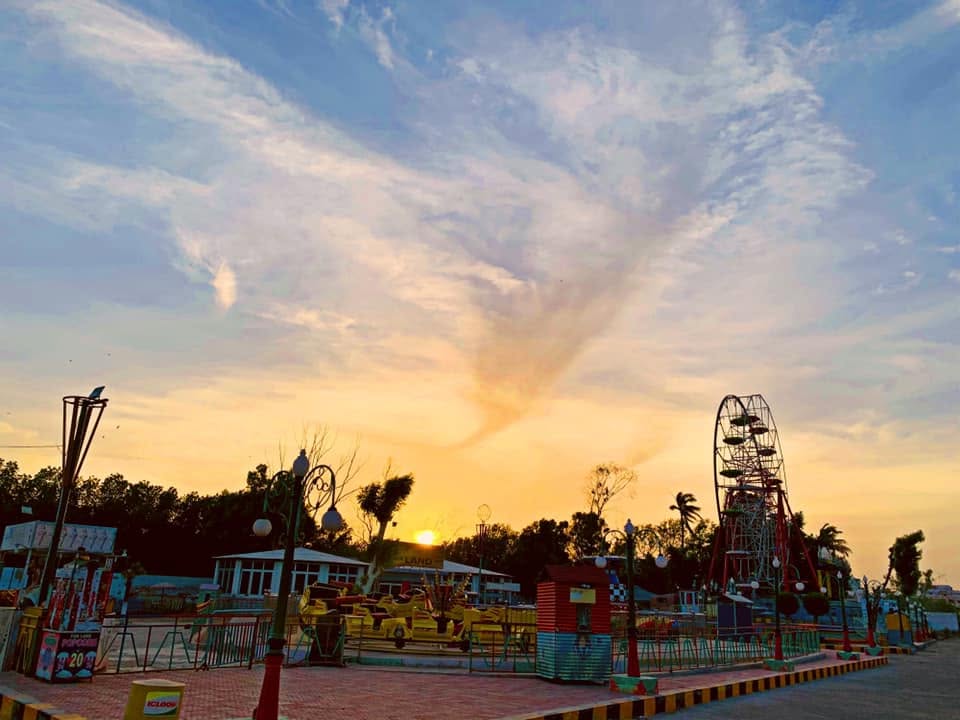
Rani Bagh is a prominent open-air area located opposite the Circuit House and GOR Colony in Hyderabad. This family-friendly venue features a small zoo and a park, making it a popular spot for children to enjoy summer evenings.
Within Rani Bagh Funland lies the beautiful Eid Gah, a structure built in the late sixties, along with the well-known Niaz Stadium and the nearby Sindh Museum. Across the road is the historic Wehdat Colony.
Possibly the city’s only large family park with a zoo, Rani Bagh offers a limited selection of amusement rides, including dodging cars. It attracts many visitors, making it one of Hyderabad’s most frequented places.
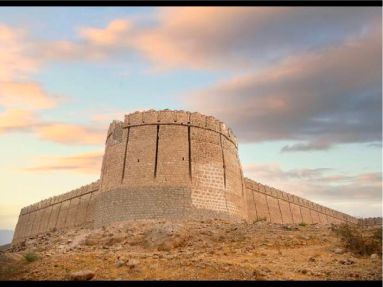
Pakka Qila in Hyderabad is a notable symbol of the region’s historical and architectural heritage. Built in 1768 by Mian Ghulam Shah Kalhoro, this fortification serves as both a historical site and a cultural hub, drawing visitors from across the region.
The English built this beautiful fort. Soon after independence, locals took control of it, but unfortunately, its beauty was lost, and now it is being destroyed. It was supposed to be preserved as a heritage site for tourism, but sadly, people seem more interested in tearing down beautiful places. So, I am sorry to say that you cannot visit it now, as it is no longer worth seeing.
Its distinctive rectangular shape and towering red brick walls make it stand out, while its 30-acre grounds exude grandeur. The cultural landscape of Hyderabad, significantly shaped by its Sindhi population, is characterized by a blend of languages, primarily Sindhi and Urdu, which enrich the city’s diverse cultural identity.
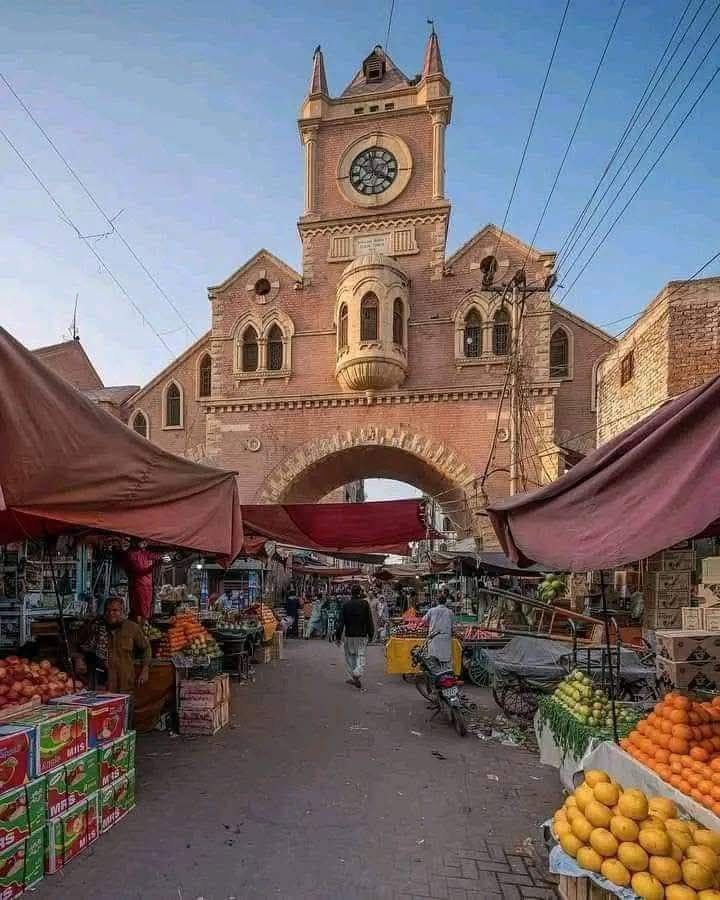
Shahbaz Building, situated in the heart of Hyderabad, is a stunning example of architectural fusion, combining Western and Mughal styles from the British colonial era. Its grand facade features intricate details that enhance its awe-inspiring appearance, with the clock tower standing out as the most striking feature, symbolizing the city’s historical power and authority. Once an administrative hub, the building has since been converted for commercial use.
Inside, the mansion dazzles with intricate designs that reflect the builders’ exceptional craftsmanship. A visit here feels like stepping back in time, where echoes of history resonate through its halls.
The Shahi Bazaar, one of Asia’s longest bazaars, stretches about 2 kilometers from Pakka Qila to the Market Tower, also known as the Navalrai Clock Tower. This vibrant marketplace is home to some of Hyderabad’s oldest shops, offering a rich selection of arts, crafts, embroidery, and jewelry that reflect the unique Sindhi heritage.
A visit to Shahi Chowk is essential for anyone wanting to explore Hyderabad’s cultural landscape. The market’s vibrant energy, unique atmosphere, and historical significance make it a must-see destination.
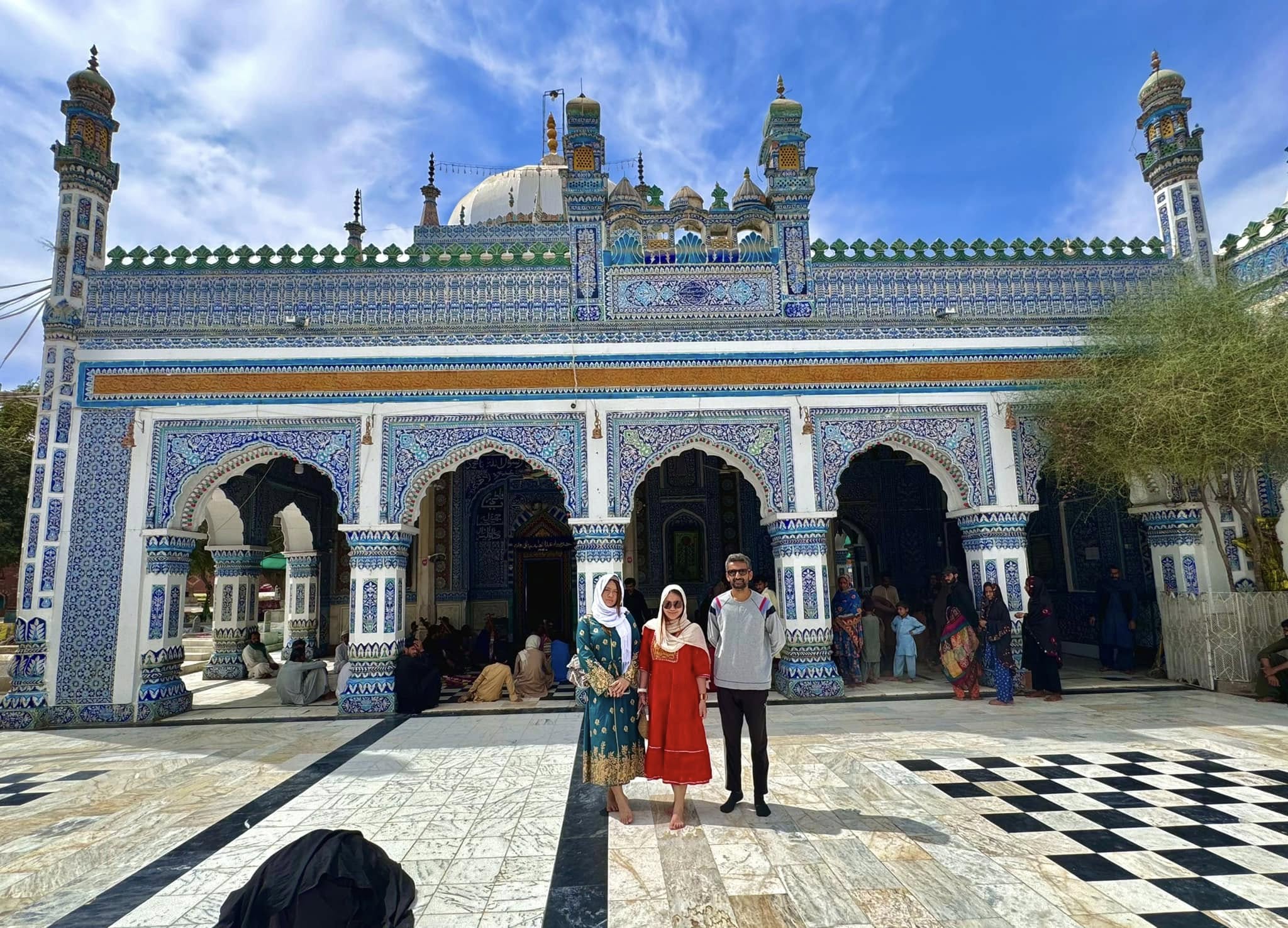
Bhittai was a renowned Sindhi Sufi poet, mystic, and saint from the 18th century, best known for his iconic poetry collection, “Shah Jo Risalo.” His tomb is in Bhit Shah, a small town near Hala, approximately 200 kilometers from Karachi, Pakistan. The complex is remarkable for its intricate Sindhi tilework, featuring beautiful blue-and-white floral designs. It is adorned with traditional Iranian qashani tiles glazed in blue and turquoise.
The tomb of Shah Abdul Latif Bhittai became the center of spiritual rites from 1668 to 1752 A.D. The shrine, along with a Sunni mosque, dates back to the 18th century. Visitors can also see Shah Latif’s residence and a copy of a handwritten Quran created by his contemporary followers.
Don’t miss the chance to visit this historic site! People from various faiths and religions are drawn to the shrine throughout the year. A highlight of the visit is listening to a group of eight Faqirs, dressed in black, singing verses from the poet’s famous poetry.
This historically significant place offers a beautiful view and is a popular tourist destination. It is easily accessible, as it is an important landmark connected to many well-known destinations.
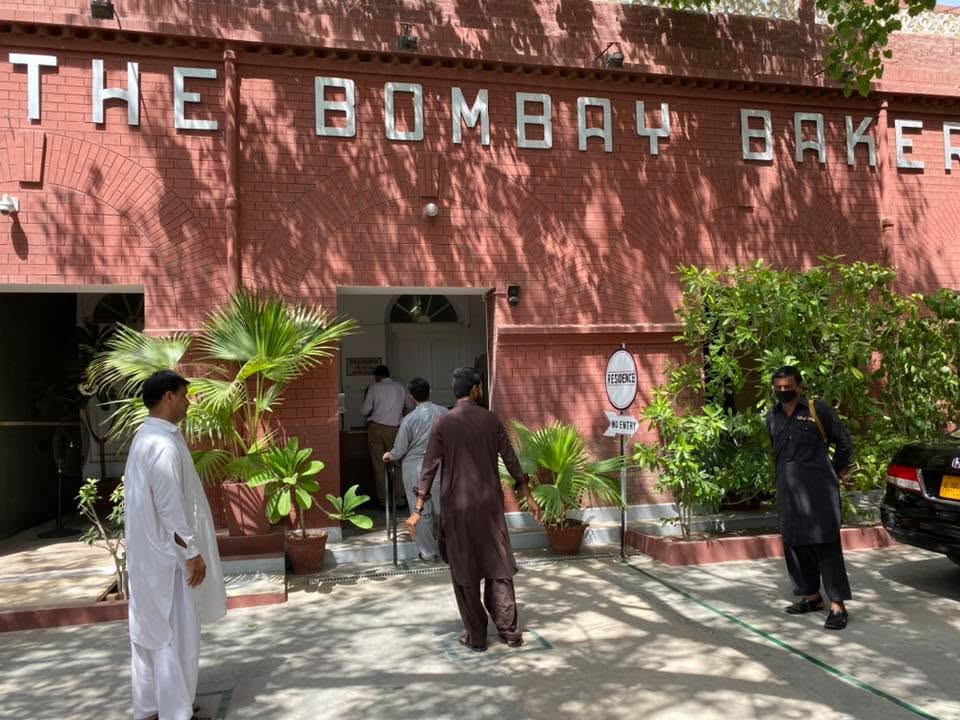
The oldest bakery in Pakistan, established in 1911, is renowned for its enduring popularity, often marked by long queues of eager customers. This humble establishment, located in a charming bungalow, features red masonry and is flanked by hedgerows that offer a nostalgic glimpse into the pre-partition days.
The Bombay Bakery is one of Pakistan’s oldest bakeries, with a history spanning 114 years. The Thandani family has run it since the beginning, and now the fifth or sixth generation is in charge. You’ll find the bakery in Hyderabad Cantt, inside a charming old bungalow with a nostalgic feel.
Parking might be tricky, but once you step inside, it’s worth it. The Bombay Bakery keeps things simple, offering just a few items, but each one is top quality. Prices are fair, especially since they use such good ingredients.
Ordering is simple: you enter from one side, wait in line to order, and pick up your items from the other side. Their coffee cake is really popular. When we visited around 12:30 pm, it was already sold out.
We tried their biscuits, and they were outstanding: fresh, crisp, and just the right amount of sweetness. Every bite tasted fresh and showed they use top-quality ingredients.
If you’re in Hyderabad, you should visit The Bombay Bakery. It’s perfect for anyone who loves classic flavors, tradition, and great baking.
Recently, The Bombay Bakery celebrated its centennial anniversary and continues to thrive, firmly rooted in its rich history.