Top 10+ The Best Things to Do in Multan 2026

Pakistan Tour Packages > Top 10+ The Best Things to Do in Multan 2026
Multan Tourist Attractions

If you are thinking about what to do in Multan and whether this historic city deserves a place in your Pakistan journey, you are not alone.

Although I have explored Pakistan several times in the past two years, this was my first time in Multan. I must say, the city did not disappoint. It is truly historic, full of life, and has a unique cultural charm that stands out even in a country as diverse as Pakistan.

So, if you are planning a trip to Pakistan, here is what I discovered about the best things to do in Multan, along with tips on where to stay and how to move around.

About Multan

Multan is often called the City of Saints or the City of Shrines. As you walk through its busy bazaars, old mosques, and beautifully crafted tombs, you can feel the deep history and spiritual energy that fills the air.

It is actually the fifth-largest city in Punjab, which means it is always buzzing with people and activity.

Located in south-central Punjab, Multan sits beside the River Chenab. It is said to be the oldest city in South Asia that has always been inhabited, and one of the oldest in all of Asia.

The city is famous for its grand tombs like those of Bahauddin Zakariya, Shah Ruknuddin, and Rukn-e-Alam. These monuments give Multan a special place in the story of Indo-Islamic architecture.

Is It Worth Visiting Multan?

Now, you might wonder why I decided to explore Multan, especially when there are so many places to see in Pakistan. For me, it was about discovering something different and seeing what makes this city special.

Even though this was my first time in Multan, I have traveled through Pakistan before, including several visits to Lahore and other parts of Punjab.

Every time I came to Pakistan, I saw pictures of Multan’s famous sites and always wanted to see them for myself.

However, reaching Multan and getting around as a traveler isn’t always easy. There are some challenges if you want to explore on your own.

With this personal link, some old sepia photographs, and a growing wish to see more of Pakistan, I finally made the journey from Islamabad to the well-known city of Multan.

Popular Tour Attractions when Visit Multan

1. Shrine of Bahauddin Zakariya

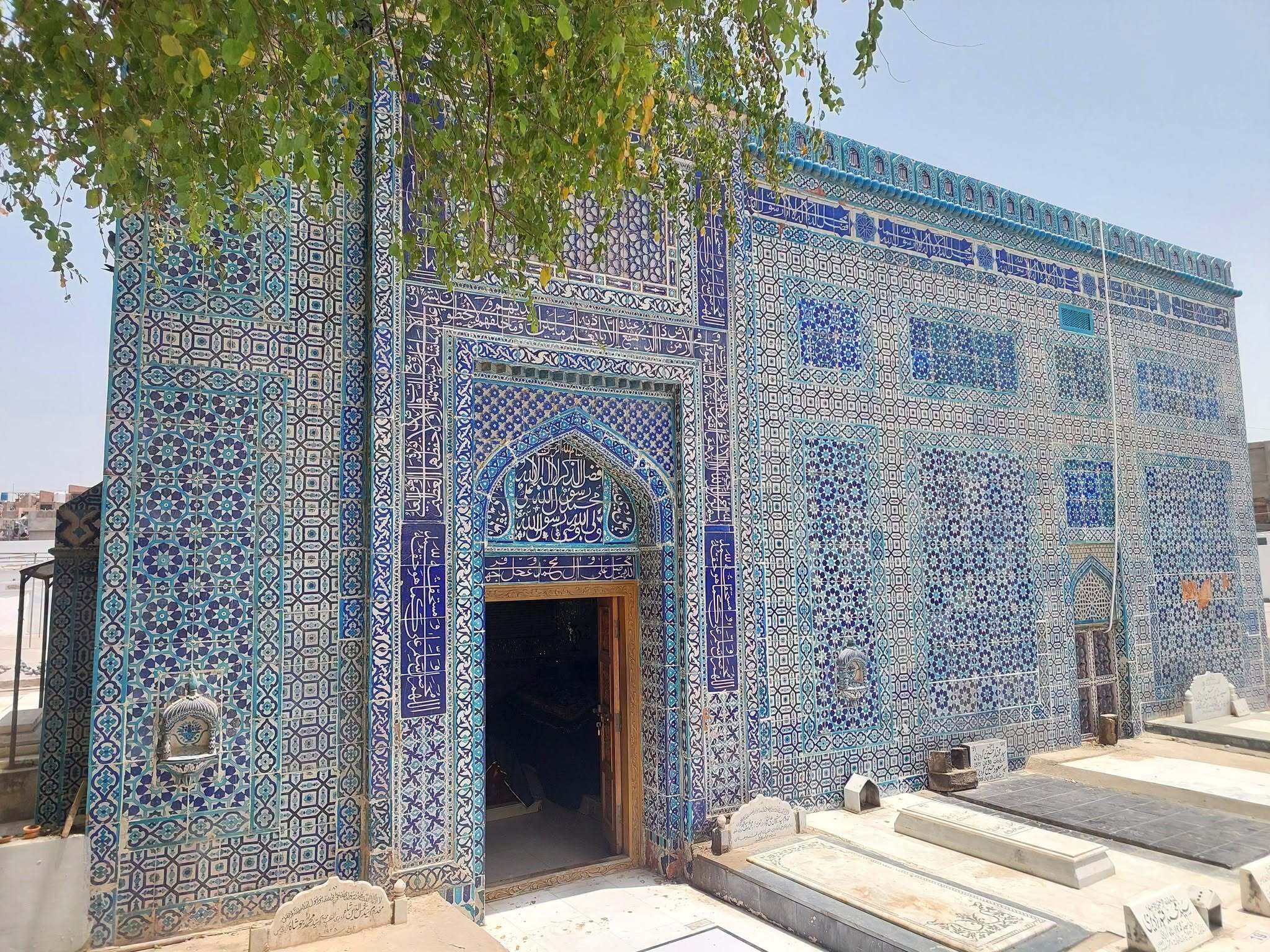
The Shrine of Bahauddin Zakariya is one of those places where history and faith come alive. Built in the 13th century, it stands quietly in Multan, carrying the memory of the great Sufi saint. When you visit, you can feel the devotion that has filled this place for centuries. Bahauddin Zakariya brought the Suhrawardiyya order from Baghdad, and since then, this shrine has shaped the spiritual journey of South Asia.

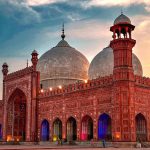
Even now, the shrine sits at the center of Multan, welcoming both pilgrims and travelers. The red bricks and blue tiles shine brightly in the sun, making the whole place glow with life. This is classic Multani architecture at its best. If you want to feel the real spirit of the city, you should spend some time here. It is a spot where history, faith, and art meet, and the experience stays with you long after you leave.

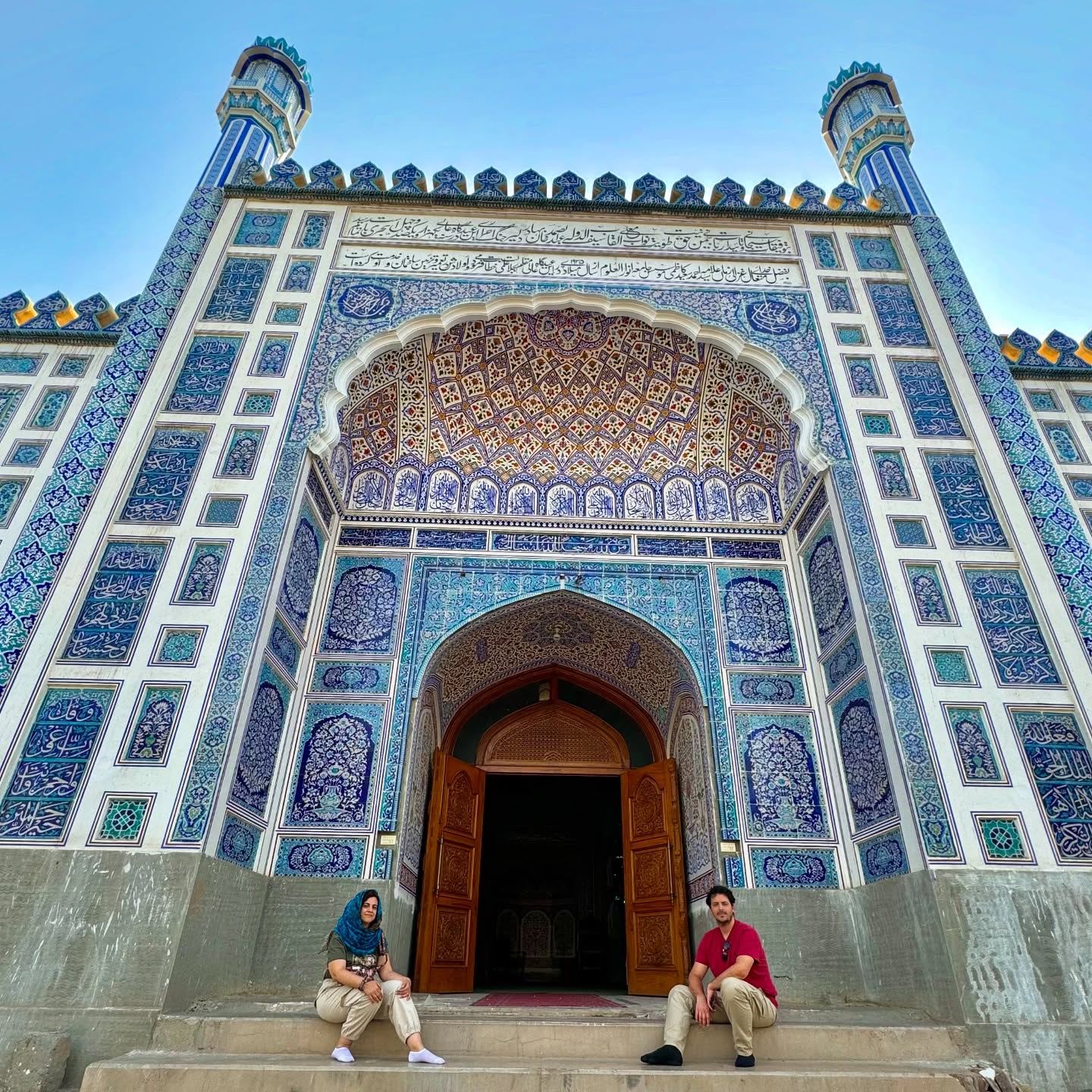
2. Shrine of Shah Yusuf Gardezi

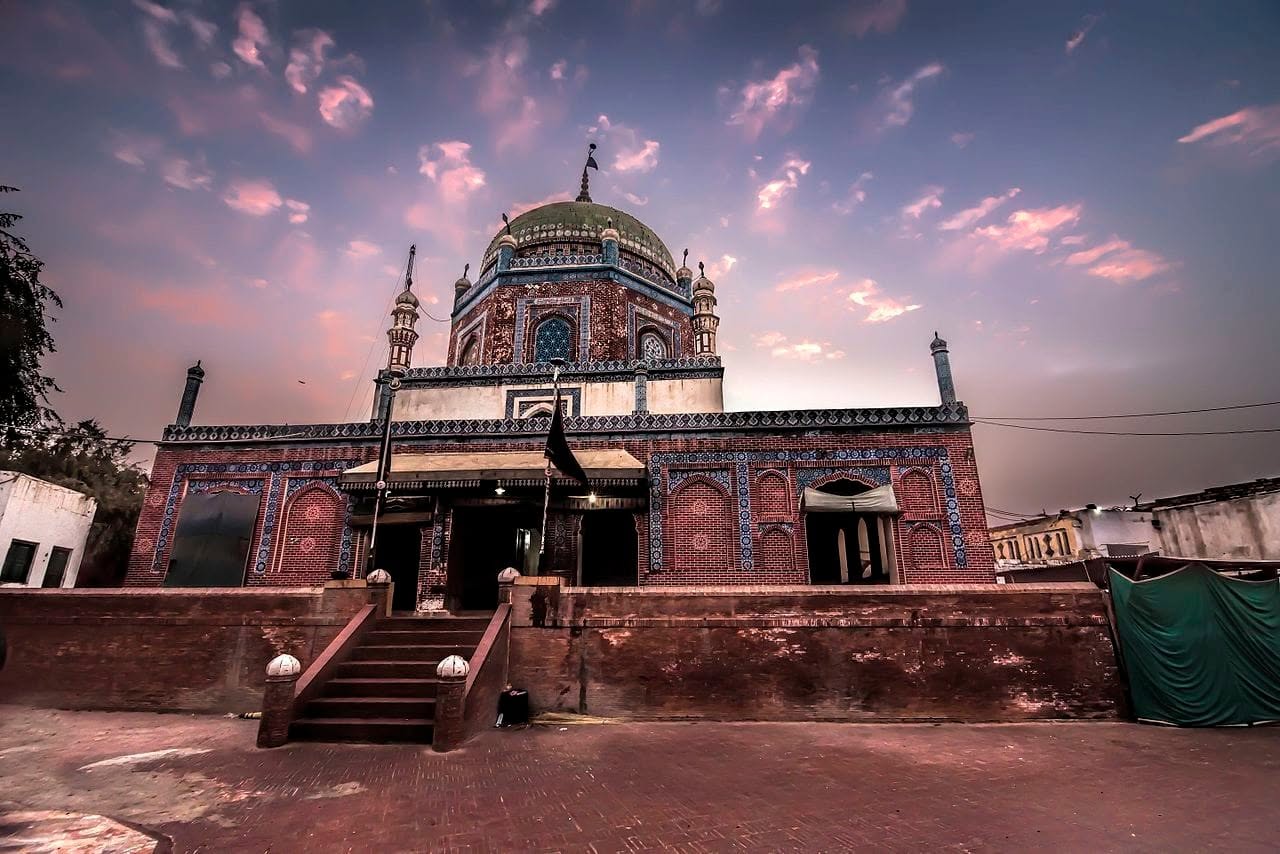
If you spend any time wandering through the winding lanes of old Multan, you will keep coming across the name of Shah Yusuf Gardezi, who arrived here from Afghanistan in 1088. His presence seems to linger in the city, not only through the spread of Twelver Shi’ism but also in the many stories of miracles that people still share in hushed tones. The shrine built for him in 1152 is one of those places that quietly pulls you in. The blue glazed tiles catch the sunlight in a way that makes the whole structure glow, and the calmness here makes you want to sit and take it all in. It almost feels as if the place is waiting for you to slow down and notice its quiet beauty.

As soon as you step inside, a gentle grace settles over everything. The calm here feels so real you can almost touch it, and before you know it, you find yourself sitting quietly, watching the light dance on those old tiles. The pigeons fluttering around only add to the feeling that time has slowed down. Feeding them becomes a simple pleasure, almost like a small tradition for visitors. If you ever find yourself in Multan, this is one of those rare places where you can truly pause and let the peace of centuries seep into you.

3. Shah Rukn-e-Alam Mausoleum

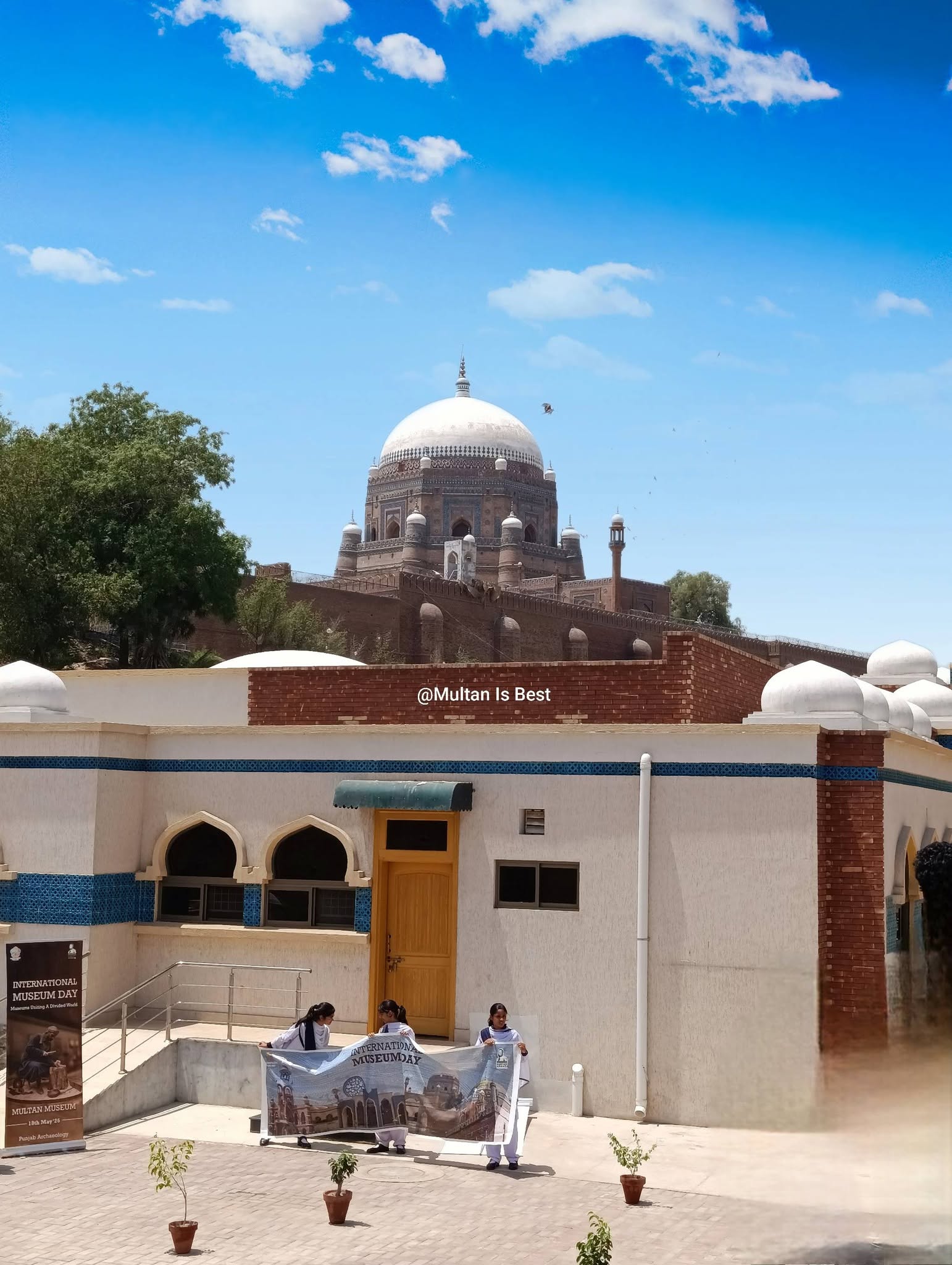
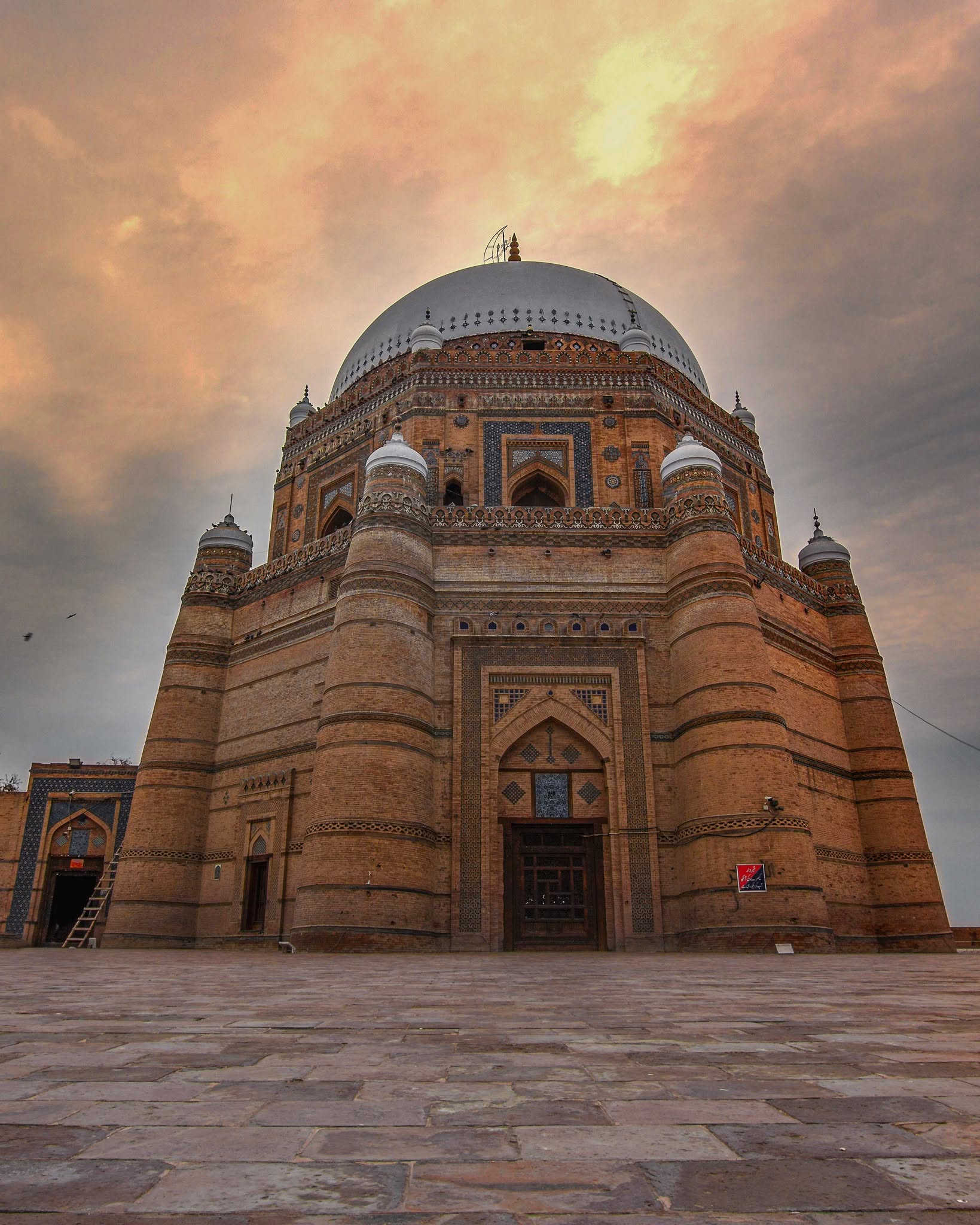
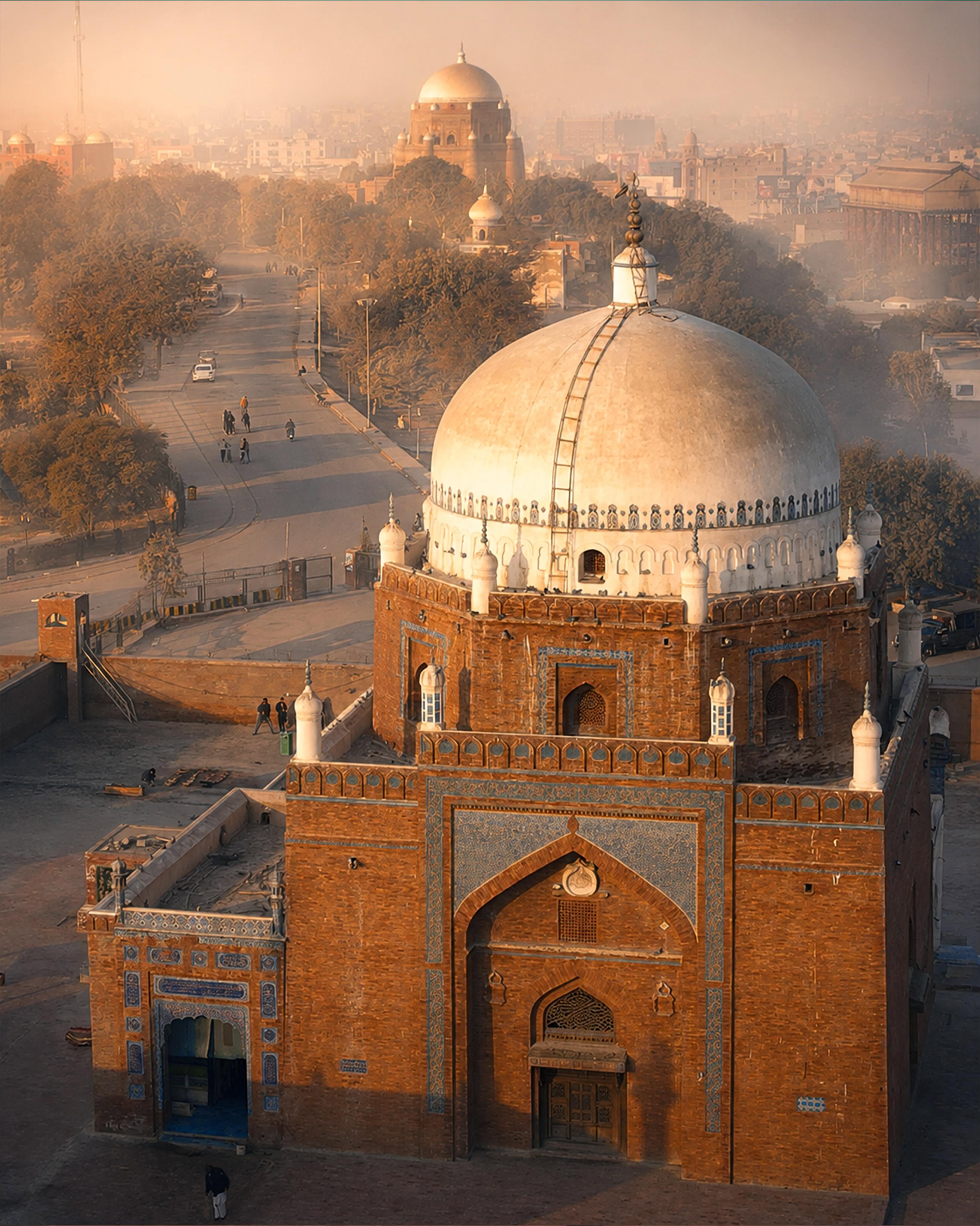
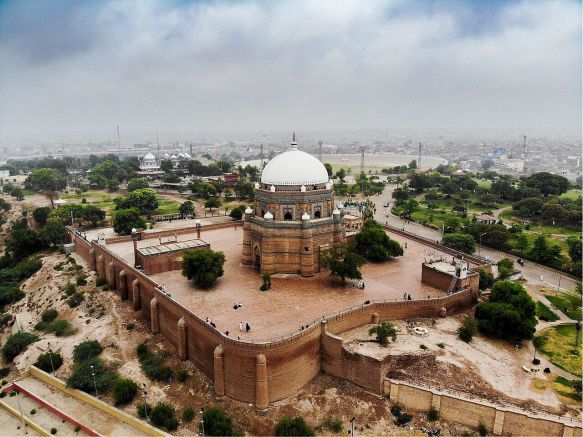
If you ever find yourself in Multan, you should not miss the Tomb of Shah Rukn-e-Alam. This ancient Sufi shrine was built between 1320 and 1324 by Sultan Ghiasuddin Tughlaq, and it still stands tall, telling stories of Multan’s rich past. As I walked closer, I saw pigeons circling the dome, which gave the place a peaceful, timeless feel. You have to take off your shoes before entering, and that simple act makes the visit feel more personal and respectful. The tomb is now a UNESCO World Heritage Site, and after seeing it, I feel it truly deserves this honour.

This shrine is dedicated to the Sufi saint Hazrat Shah Rukn-e-Alam, son of Pir Sadar-Al-Din Arif. He was born in Multan on Friday, 9 Ramadan 649 Hijri (November 26, 1251). Shah Rukn-e-Alam was the grandson and successor of Sheik Baha-ud-Din Zakariya.

It is easy to lose track of time here. I found myself wandering slowly, looking up at the beautiful dome and the detailed patterns on the walls. The calmness is almost overwhelming, and I just wanted to sit down and take in the peaceful air. The tomb is octagonal, and inside the large hall, you can see the grave of the Sufi saint. The dome rises high above, about 35 meters, and its wide span makes it the most striking part of the skyline. It really adds to the grandeur of this place.

Visiting the Tomb of Shah Rukn-e-Alam stays with you long after you leave. Here, you walk through centuries of history, and if you enjoy photography, you will find endless corners to capture, especially if you love old architecture. The building is made of red brick, held together by strong shisham wood beams, and it has survived for almost 800 years. Many people in Multan say it is the most impressive building in the city, and after seeing it myself, I have to agree.

4. Shahi Eid Gah Mosque

If you move towards the northern side of Multan, you will find the Shahi Eid Gah Mosque. It is an old mosque from the Mughal times, built when Emperor Muhammad Shah ruled. Nawab Abdul Samad Khan, who was the governor here, made sure this mosque was special. When you stand in front of it, you feel the history and the devotion that shaped it. The mosque is not just a building; it feels like a story told through its stones.

The mosque spreads out in a straight line, with seven domes standing next to each other. They look like quiet guards watching over the place. It turns slightly toward the southwest, so the qibla wall faces Makkah perfectly. The size of the mosque is big, but what really stands out is how every part has a reason and a balance. It is easy to notice the care in its design.

On the eastern side, there is a big open courtyard. It welcomes everyone to come together under the open sky. There are three ways to enter, so the place always feels open and friendly. During Eid, the mosque becomes full of life and joy. I can almost see the courtyard crowded with people, all praying and celebrating together on those bright mornings of Eid al-Fitr and Eid al-Adha.

5. Fort Kohna Excursion

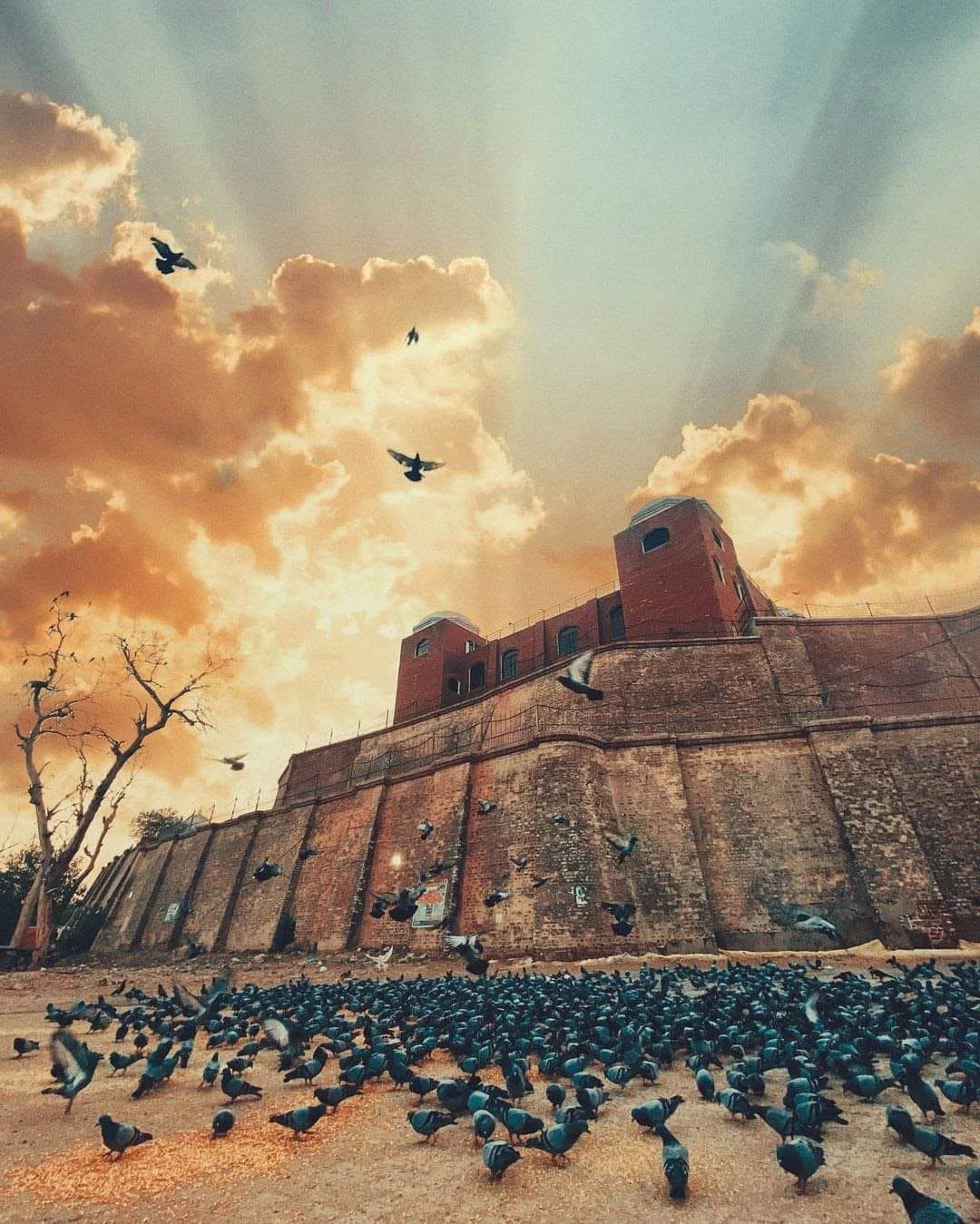
Fort Kohna, known to many as the Old Fort, sits quietly in the middle of Multan. It rises above the city on a high mound, looking out towards the Chenab and Ravi rivers. When you walk here, you can sense the history all around you. The fort is said to be around 2600 years old. Once, it was built to protect Multan from invaders coming from the west and north. Now, it welcomes travelers who want to explore its old stones and enjoy the wide views.

Fort Kohna has faced destruction and rebuilding many times through the ages. Its last big reconstruction happened about 1100 years ago. The walls, shaped in a semi-circle, once ran for almost 7000 feet. There were 46 bastions and four main gates called Khizri, Hareiri, Sikki, and Qasim. As you stand here, you can almost picture the old sentries and hear their footsteps along the walls.

A huge ditch, once 25 feet deep and 40 feet wide, made the fort even harder to attack. But the story of Fort Kohna is also full of loss. Ranjeet Singh’s army destroyed it in 1818, and then the British bombardment in 1848-49 left it in ruins. Still, people come from many places to walk among the remains and feel the old spirit that hangs over this place.

6. Tomb of Shah Shams Sabzwari Tabrez

Shah Shams Sabzwari’s tomb stands as a silent sentinel over Multan, its history stretching back to 1329. Although an 18th-century fire led to major reconstruction, the mausoleum still exudes an old-world charm that draws you in. The architecture is a fascinating blend of shapes: a sturdy square at the base, rising to an octagon, and finally crowned by a circular third floor. These layers are not just structural but seem to echo the spiritual journey of the saint himself, whose influence spread far beyond these walls.

When you wander through Multan, it is impossible not to feel the presence of Shamsuddin Sabzwari, who arrived here in the early 1200s. He established his dargah and began sharing his teachings with the people, leaving a legacy that still shapes the city’s spirit. His poetry and the stories woven around him have made him a revered figure, and every June, the city comes alive with the Urs, a celebration that fills the air with devotion and color. His final resting place remains a focal point for those seeking both history and a sense of the sacred.

If you are drawn to ancient, pre-Mughal architecture, Shah Shams Sabzwari’s mausoleum is a place that will linger in your memory. Built by his grandson in 1330, the tomb is more than just a monument; it is a living testament to a saint whose life and teachings still ripple through the city. As you step inside, the atmosphere shifts, and you can almost sense the centuries of devotion that have shaped this space. Remember to be respectful and observe local customs, as this is not just a historical site but a place that still inspires reverence.

Just a short walk from the mausoleum, Shah Shams Park offers a refreshing contrast with its lively atmosphere. Here, families gather for boating on the small lake, children race down slides, and the scent of local snacks drifts from nearby cafes. It is a place where the city unwinds, and you can pause for a cup of tea or a cold drink, soaking in the everyday rhythms of Multan.

Insider Tip: If you are traveling to Multan during the summer season (from May to August), it is best to visit these sites in the evening, as temperatures can be extremely high during the day. And don’t forget to bring your camera!

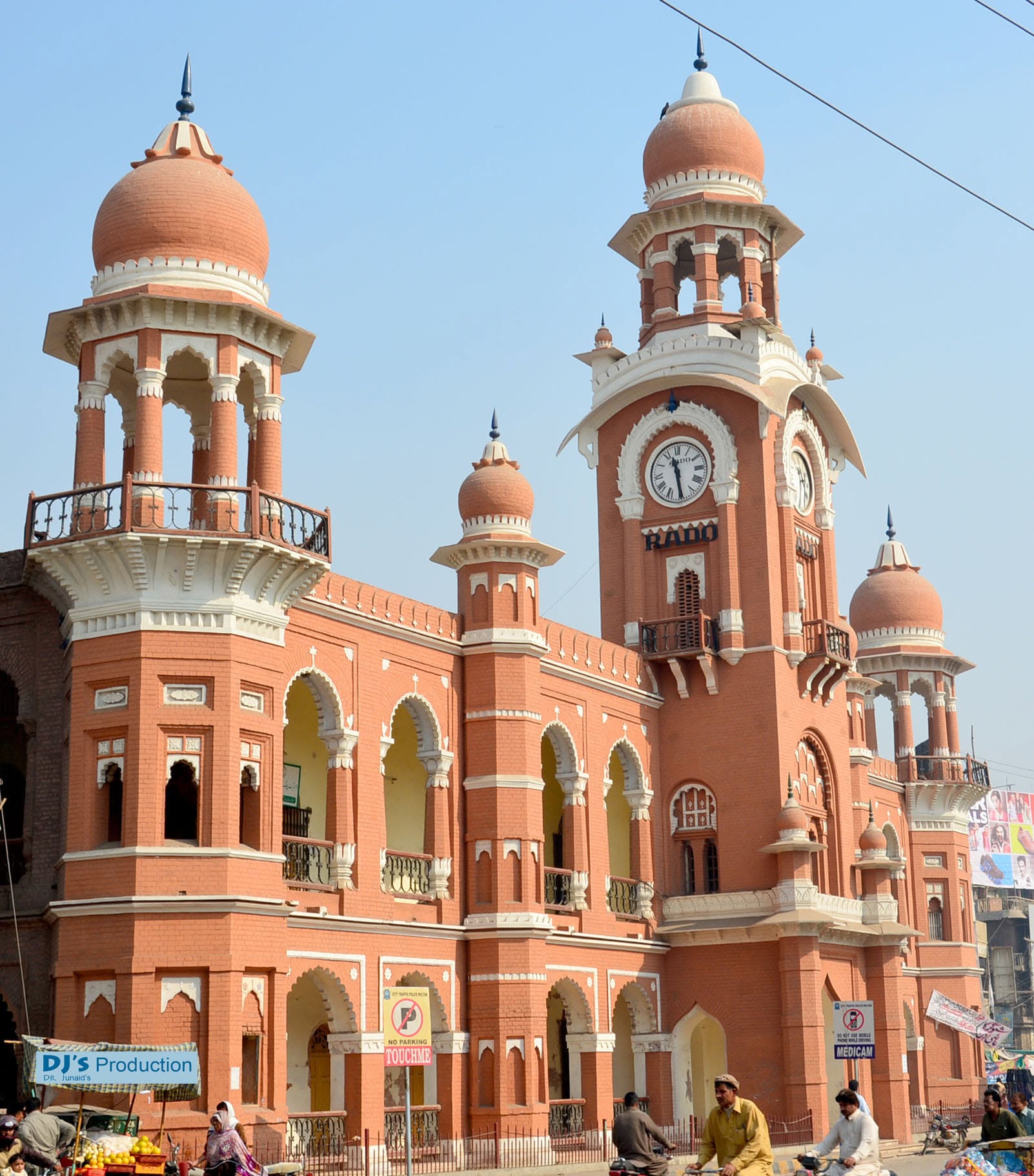
7. Ghanta Ghar (Clock Tower)

In the heart of Multan, you will find the Ghanta Ghar Clock Tower. This old structure dates back to the late 19th century, a time when the British were still here. The building has a certain charm, and while it may remind you of other famous monuments, it feels much closer to the people of Multan. As you climb its narrow stairs and reach the rooftop, the whole city opens up in front of you. You see busy streets, colorful markets, and the lively energy of Multan all around.

The Ghanta Ghar, also called the ‘hour house,’ stands out with its red bricks in the middle of the city. It is more than just a clock tower. This is where old Multan and new Multan come together. Vendors gather around its base, and there is always some activity going on. I like to stop here for a while, just to watch the city move and listen to its sounds. If you want to experience the real Multan, this is a good place to start.

Thing to remember: Keep your valuables secure and avoid flashing large amounts of cash.

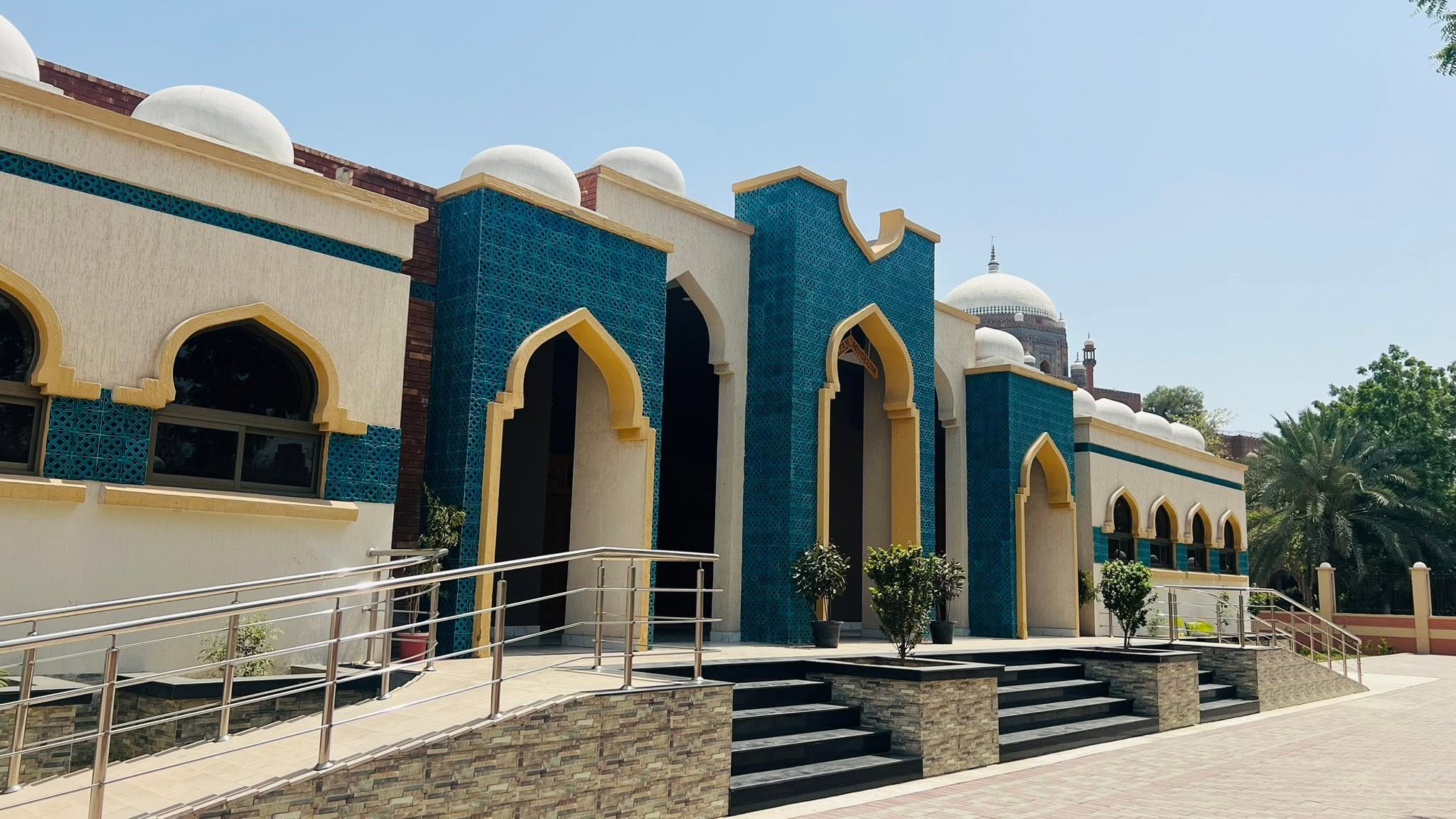
8. Visit Ancient Multan Museum (Damdama)

If you want to feel the pulse of Multan’s history, the Multan Museum is the place to begin. The museum sits inside the old Damdama building, which itself feels like a silent witness to centuries gone by. As I wandered through its peaceful corridors, I kept coming across ancient artifacts and artworks, each one quietly sharing a piece of the city’s story. However, what truly stayed with me was the view from the rooftop. Once you reach the top, the whole city opens up before your eyes, and for a while, it feels as if you are standing right at the crossroads of Multan’s past and present.

The Multan Museum is not just a collection of old objects. For me, it feels like a window into the soul of the city. Each artifact and every faded document seems to whisper stories of the people and legends that shaped Multan. As you walk from one gallery to the next, you begin to notice how the city has changed, yet still holds on to its roots. Stepping outside, you start to see the same heritage living on in the busy streets and quiet corners of Multan.

Tip Insider: Respect local customs, particularly at religious sites.

9. Delhi Gate and Hussain Agahi Bazar

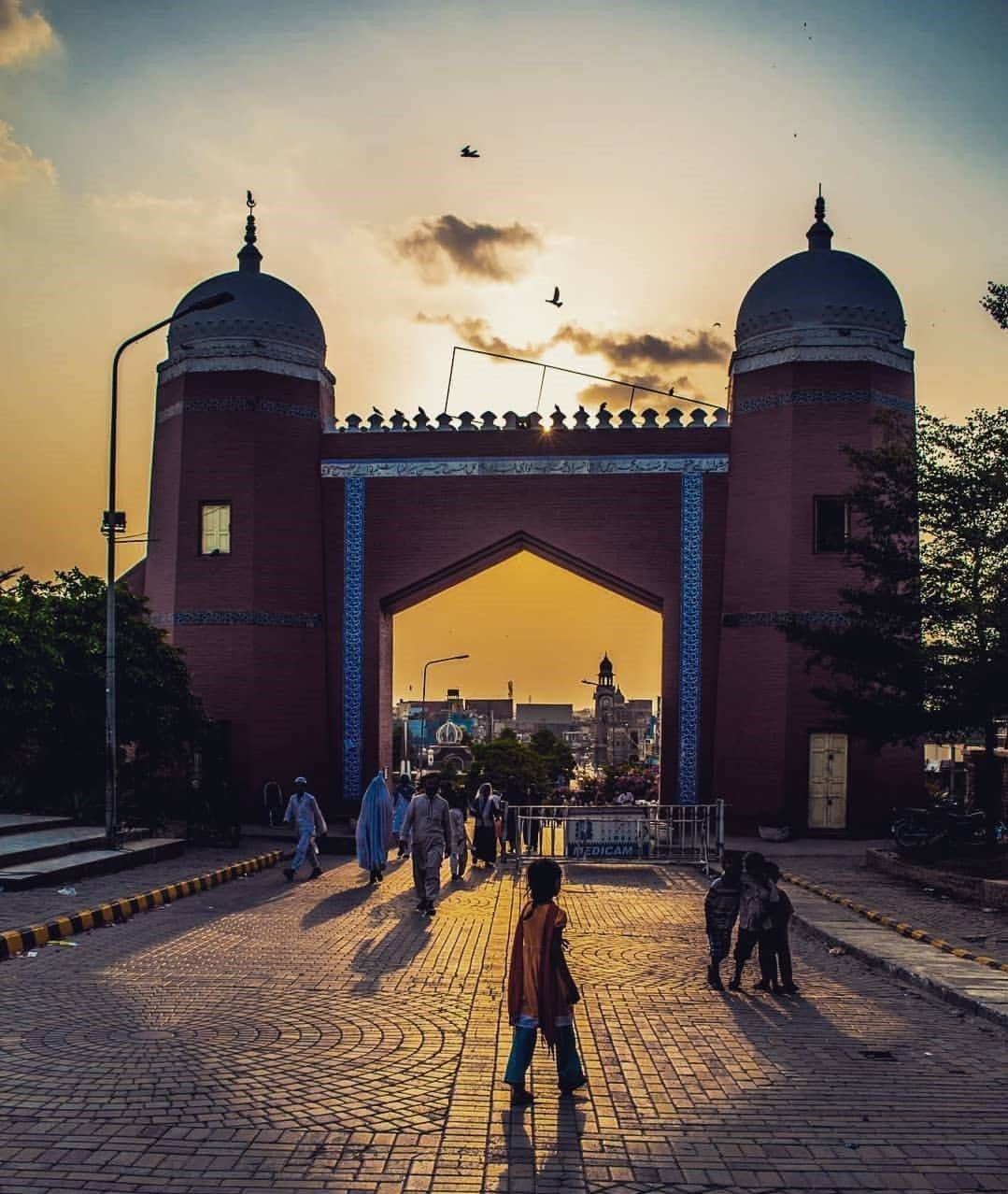
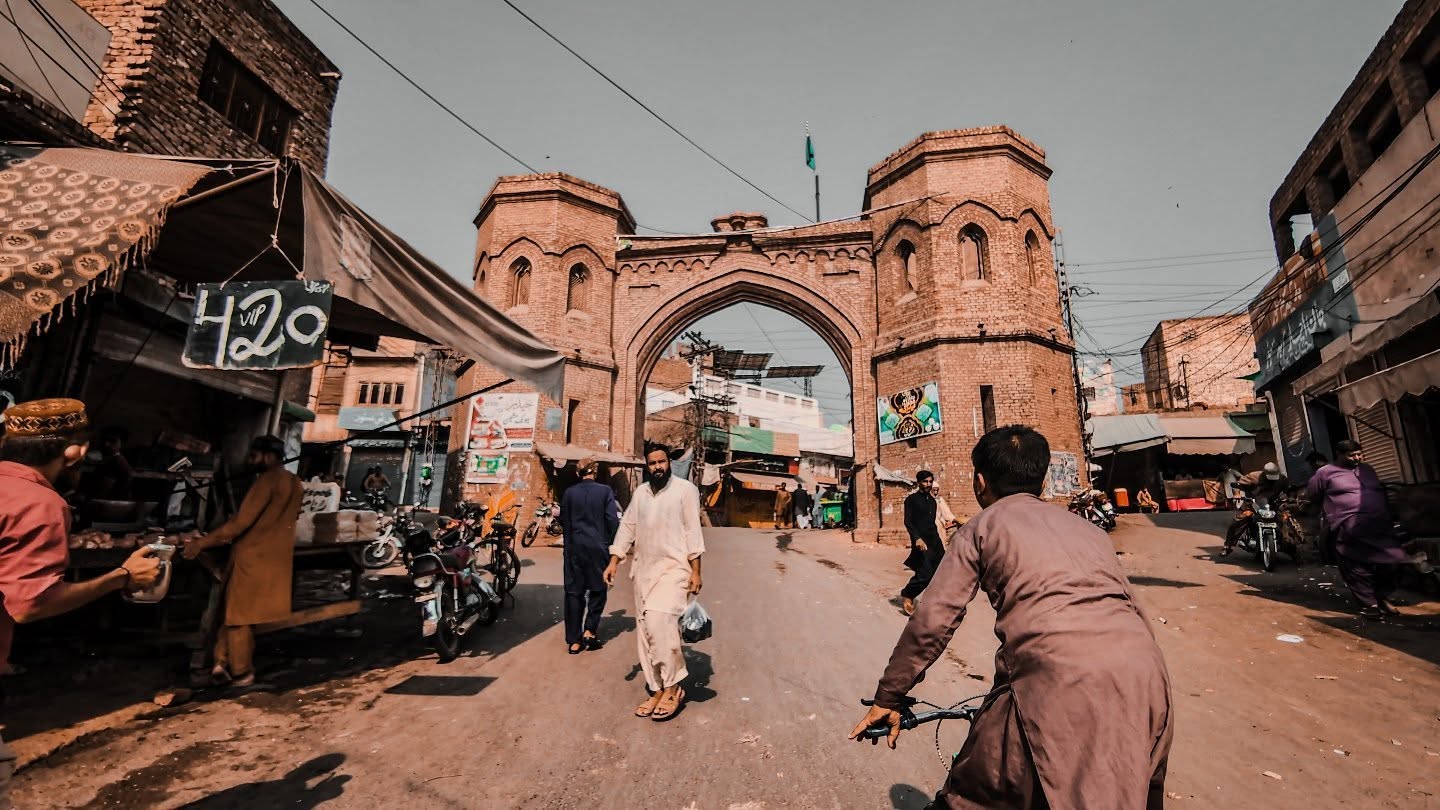
Delhi Gate is one of those places where you can almost touch the past. Built in the 17th century by Prince Murad Bakhsh, it has watched many generations come and go. Later, in 1756, Muhammad Ali Khan Khakwani repaired and rebuilt it, giving it a new life. As you walk through the gate, you enter the space that once held the grand palace and gardens of Nawab Saeed Khan Qureshi. Now, only his tomb stands here, silently keeping the stories of a time when life was more splendid.

On December 29, 1848, the British army attacked Delhi Gate and destroyed it. After the fighting ended and the British Raj began, they rebuilt the gate. However, its role was different now. Instead of guarding the city, it became a quiet witness to those troubled times. Today, it stands as a reminder of the city’s strength and the countless stories hidden within its old walls.

Remember: Stick to well-lit and populated areas, especially after dark.

10. Blue Pottery Shops

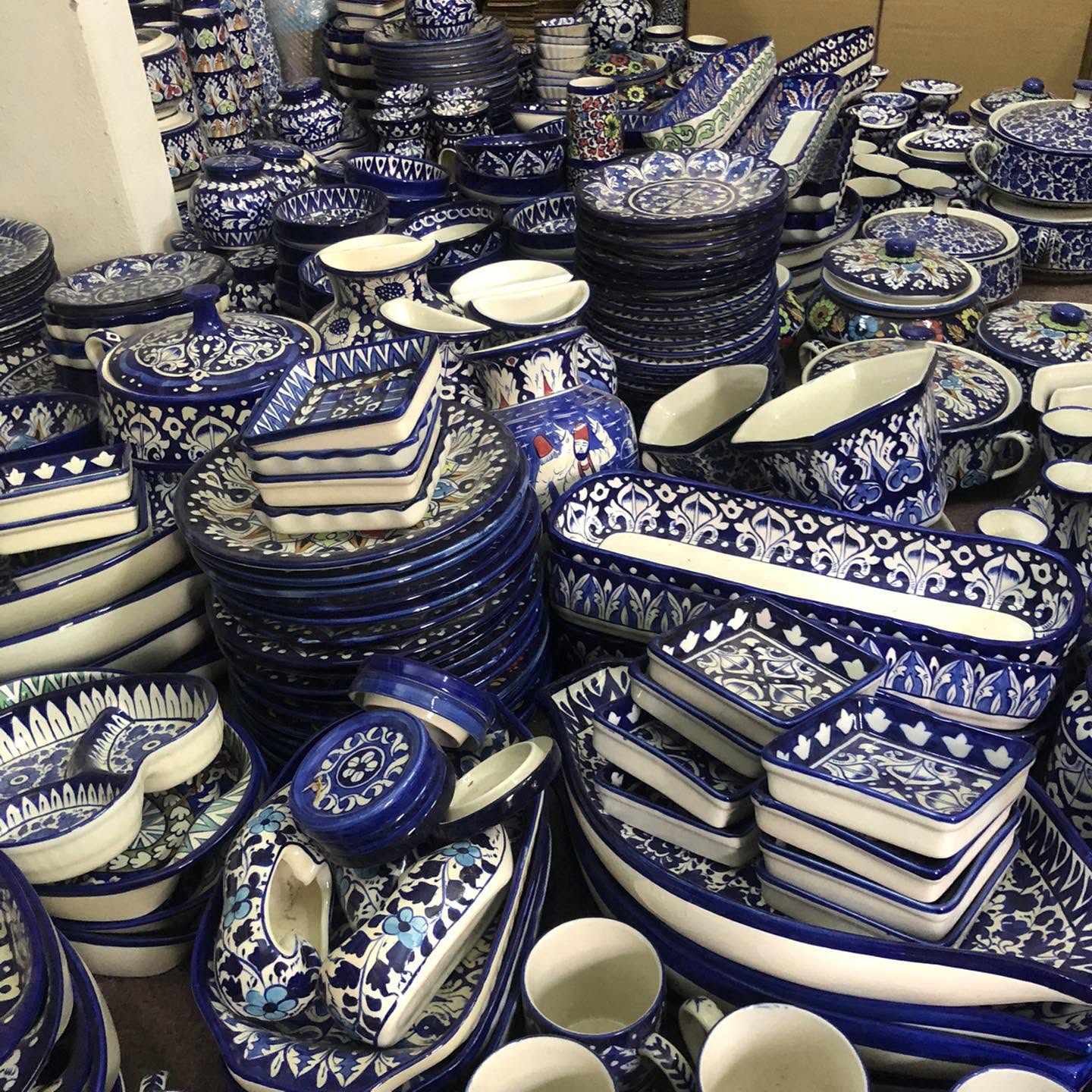
Multan is one of those cities where the past never really leaves you. The best way to feel this is by wandering through its bazaars, where the famous blue pottery catches your eye at every turn. These shelves full of deep blue pieces are not just beautiful—they seem to whisper stories from another time. The art itself came here ages ago, shaped by Persian, Central Asian, and Mongolian hands, but now it feels like it belongs only to Multan. For me, these are not just souvenirs. They are small pieces of the city’s spirit, waiting to be taken home by travelers who want to carry a bit of Multan with them.

If you ever get a chance to watch a Multani potter at work, do not miss it. The whole process is almost hypnotic, with every step shaped by old traditions and quiet patience. The blue colours slowly appear, as if the clay itself remembers the stories of this land. From the first touch to the final shine, you can see the care and skill in every piece. This is what makes Multani blue pottery so special. It is not just art—it is a living memory of the city, and a real treasure for anyone who loves to find beauty rooted in the earth.

Top Things to Do While Visiting Multan

Multan offers plenty for travelers who love to explore. You can wander through ancient shrines, take slow walks in green parks, or lose yourself in the narrow lanes of the old city. Boating on the lake and tasting local food are also experiences you shouldn’t miss. Everywhere you go, the city reveals its hidden gems, from old ruins to beautiful shrines.

Even if you have just one or two days in Multan City, you can still soak in its charm. Here are some of the best places and experiences that will make your short visit memorable.

Start Your Early Morning With a Breakfast

To feel the real pulse of Multan, start your morning with breakfast at a local dhaba. Sitting among the locals, you get a taste of their daily life and culture.

After breakfast, head towards the famous Ibn e Qasim Bagh. One thing I noticed about Multan is its unique architecture. Most of the well-known shrines, gardens, and stadiums sit on the higher edge of the city, right in the center. From this point, you can easily walk down to the old bazaars and markets that spread out below.

Visit Ibn e Qasim Bagh in the evening

Ibn e Qasim Bagh is a lush, green space that sits where the old Qasim Fort once stood. The fort itself is gone, but you can still find traces of its past as you walk through the garden. Early in the morning, the sound of birds and the fresh air make it a peaceful spot. It is hard to imagine that this place once had a massive fort with walls stretching for two kilometers, destroyed long ago by the British.

… and Alexander Vans Agnew Memorial

A tall memorial for Alexander Agnew also stands on the mound, built by the British. You can spot it from far away. Standing here, you can feel how different powers have left their mark on Multan, each trying to shape its story.

Don’t Forget About the Shrine of Shah Rukn e Alam

Just a short walk north brings you to the tomb of Shah Rukn e Alam, a saint whose name is woven into the history of Multan. Built with striking red tiles, the shrine stands as a masterpiece of medieval design. I found that the flocks of pigeons in the courtyard added special charm, making the place feel both lively and peaceful.

See the Shrine of Bahaudin Zakariya Multani

Nearby, you will find the shrine of Bahaudin Zakariya, another important figure in the city’s spiritual history and the grandfather of Shah Rukn e Alam. The tomb is impressive for both its architecture and its peaceful atmosphere. Many people come here to pray or simply to find a moment of calm. Visiting these shrines is not just about history; it is also about feeling the soul of Multan.

Other places in the area include the Multan Clock Tower, which houses government offices, the Shrine of Shah Shams Sabzwari, and the Shrine of Mai Meherban.

Head Over to the Shrine of Shah Yusuf Gardezi

Next, you can head a little southwest to the Shrine of Shah Yusuf Gardezi, who helped revive Multan centuries ago. The shrine is nearby, and its blue-and-white tiles catch your eye from a distance. I found it to be one of the most peaceful places in the city, perfect for a quiet pause before moving on.

Walk the Old City of Multan

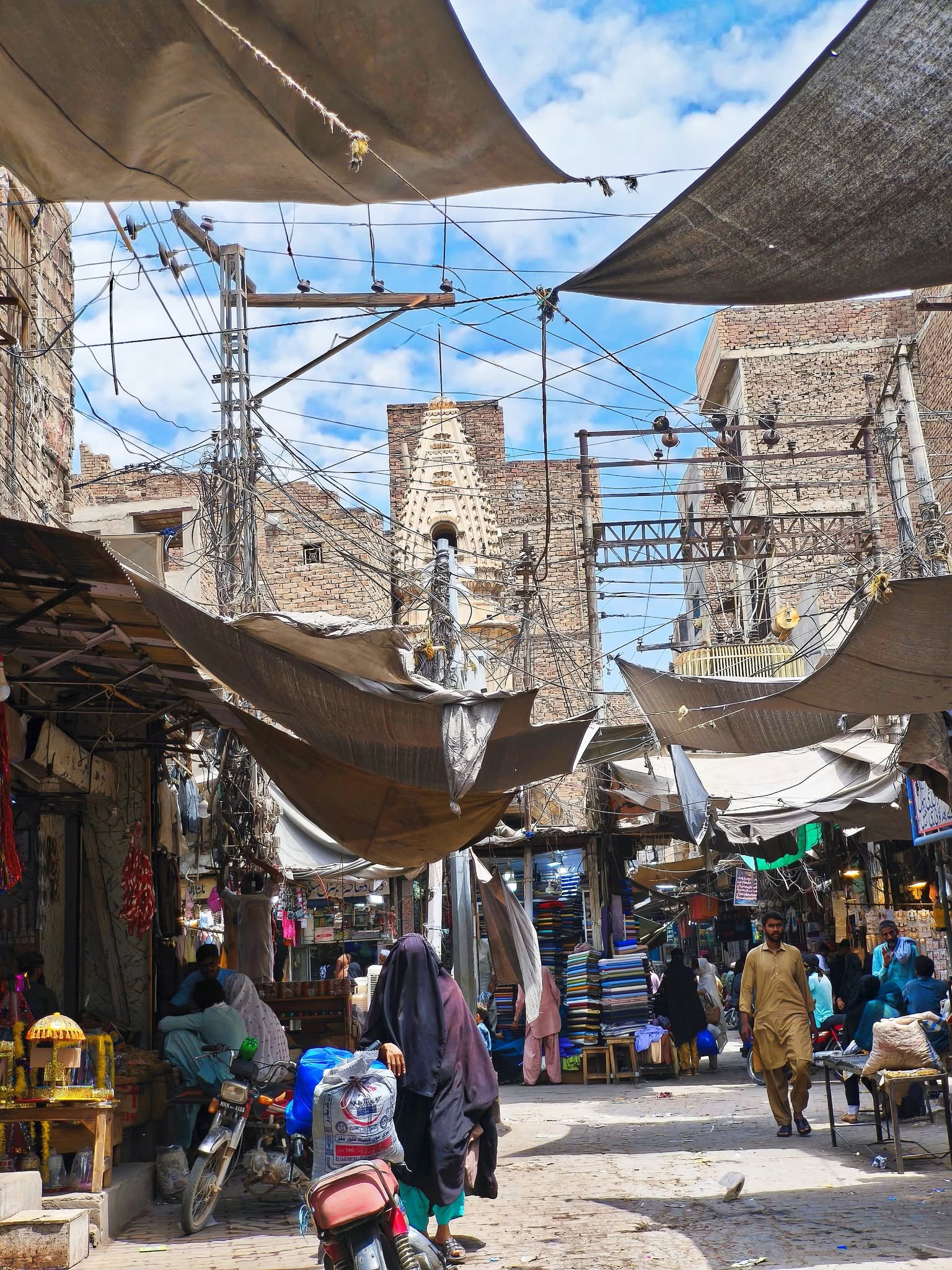
Multan’s history is full of color and life. Over the centuries, people from Greece, Central Asia, and the Middle East have all left their mark here. In the afternoon, I suggest wandering through the old city, starting at the famous Delhi Gate. The narrow lanes are lined with old houses, seminaries, and even ancient graveyards. The bazaars are lively, filled with handmade souvenirs, embroidered clothes, and beautiful pottery. And if you have a sweet tooth, do try the traditional Multani Sohn Halwa. It is a treat you will remember.

Relax at Qasim Lake in Multan

If you want to see a different side of Multan, visit Qasim Lake in the Cantt area as evening falls. Boating on the calm water and strolling through the nearby park is a refreshing way to end the day. Along the lakeside, you will find food stalls and restaurants serving both local and international dishes. After a day of exploring, sitting by the lake with good food feels like the perfect reward.

Shop at Hussain Agahi Bazaar

Immerse yourself in the vibrant atmosphere of Hussain Agahi Bazaar, a feast for the senses filled with a riot of colors, enticing aromas, and lively sounds. This market is the go-to spot for beautiful Multani pottery, traditional ajrak, and exquisite camel skin lamps.

Ride a Camel

Discover the scenic outskirts of Multan on a camel ride, a truly unique experience that connects you with local life and offers a glimpse into the region’s culture.

Take a Chenab River Cruise

Unwind and enjoy the serene beauty of the Chenab River with a leisurely cruise, particularly breathtaking during sunset when the landscape comes alive with warm hues.

Famous Food Spots in Multan

Dive into Multan’s culinary scene, which is as rich as its history. Do not miss out on these local specialties:

  • Multani Sohan Halwa: A delectable sweet treat that is a must-try. For the best experience, visit Hafiz Sohan Halwa.
  • Multani Karahi and BBQ: Relish the authentic flavors of the region at renowned eateries like Shahbaz Tikka.
  • Daal Samosa: This street food favorite is found on nearly every corner of the city, offering a taste of local life.

Accommodation Options

Multan boasts a wide range of accommodations to suit every taste and budget:

Transportation and Accessibility

  • By Road: Travel from Lahore (340 km, roughly 4.5-5 hours) or Islamabad (570 km, around 7-8 hours) via well-maintained highways for a smooth journey.
  • By Air: Direct flights to Multan run from Karachi, Islamabad, and Lahore, landing at Multan International Airport.
  • By Train: Pakistan Railways runs daily services to Multan from major cities.

For local transport, you will find rickshaws, buses, and app-based ride services like Careem to get around easily. The city’s friendly locals often enhance the experience, welcoming you with their renowned hospitality.

Conclusion

Multan is a city where history and culture come alive at every turn. As you walk through its ancient forts and lively bazaars, you can feel the aura of the city. The aroma of local food fills the air, and there is always something happening, whether it is a street performance or a busy market. Multan offers so many things to see and do that every traveler will find something to enjoy.

As you explore Multan’s old streets and visit its historic sites, you start to feel the deep roots of its culture. The city is full of surprises, from traditional foods to modern cafes. You can find both luxury hotels and simple guesthouses, so there is something for every kind of traveler. This mix of old and new makes Multan a place where you can experience both tradition and comfort.

Take time to walk through Multan’s colorful streets and talk with friendly locals. Try the local dishes and enjoy the unique flavors that tell the story of the city. Whether you are wandering in the old alleys during the day or enjoying the lively atmosphere at night, Multan always has something special to offer. Every moment here can become a memory to cherish.

In Multan, each corner has its own story, waiting for you to discover it. As you explore more, you find new sights and sounds that make your journey richer. So, pack your bags and let Multan surprise you with its hidden wonders. This city will stay with you long after you leave.

More Places to Visit in Pakistan

Coldest place in Pakistan
Most Freezing Places to Visit in Pakistan 2026
August 12, 2026
Historical places in Lahore
Top 10 Best Historical Places of Lahore in 2026
March 31, 2026
Tourist attractions in Karachi with Family
Best Things to do in Visit Karachi with Family 2026
December 3, 2025
Best places while visiting Peshawar
Family Things to do in Peshawar 2026 Must Visit Places
December 3, 2025
Lahore Tourist Attraction
Top 10 Best Things to do in LAHORE with Family
November 4, 2025
Attractions to visit in Chitral
Famous Things to do in Chitral Kalash Valley 2026
November 4, 2025
Tourist Attractions in Islamabad
Top 10 Family-Friendly Tourist Attractions in Islamabad
October 20, 2025
Lakes of Pakistan
Top 40+ Best Lakes in Pakistan 2026 Ultimate Travel Guide
October 11, 2025
Swat Kalam Best Time
Best Time You LOVE to Explore Swat Kalam Malam Jabba
August 6, 2025
Kumrat Valley Tourist Attraction
Top 10 Best Things to do in KUMRAT VALLEY 2026
July 10, 2025
Historical Places in Pakistan
TOP 40+ Historical Places to Visit in Pakistan 2026
June 28, 2025
Cheap Country to Visit
Cheapest Countries to Visit from Pakistan
May 14, 2025
Best Places to visit in Nathia Gali
Top 10 Nathia Gali Tourist Attractions 2026 Picnic Points
May 5, 2025
Balochistan Tourist Attractions
10+ The Best Things to do When Visit Balochistan 2026
February 26, 2025
Muzaffarabad Tourist Attractions
Top 10+ The Best Things to Do in Muzaffarabad 2026
January 24, 2025