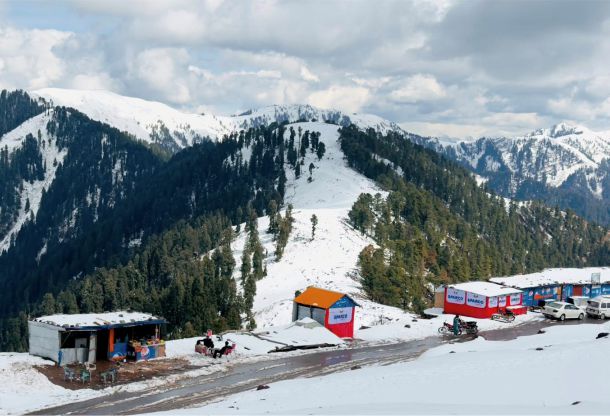
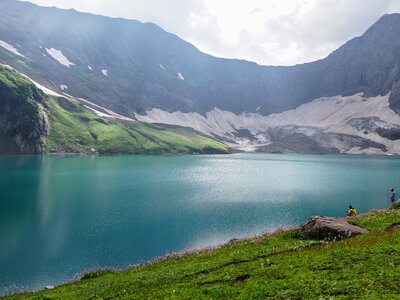
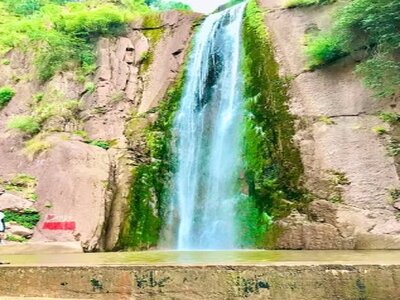
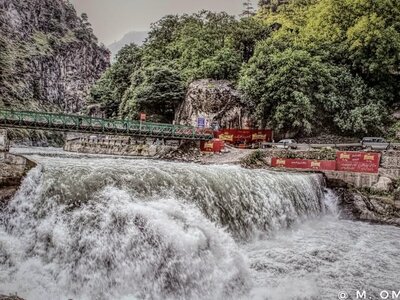
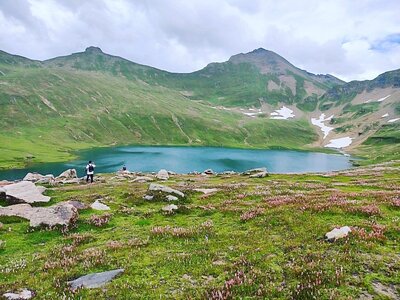
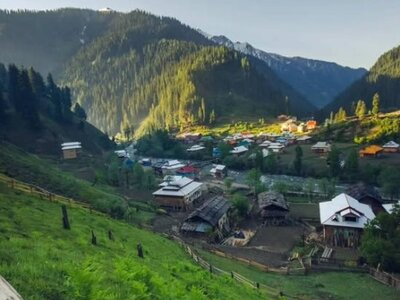
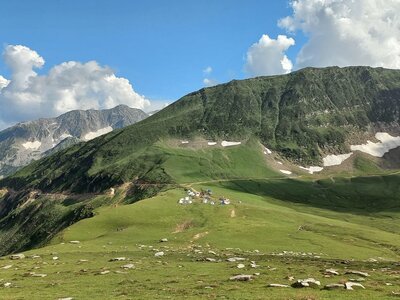
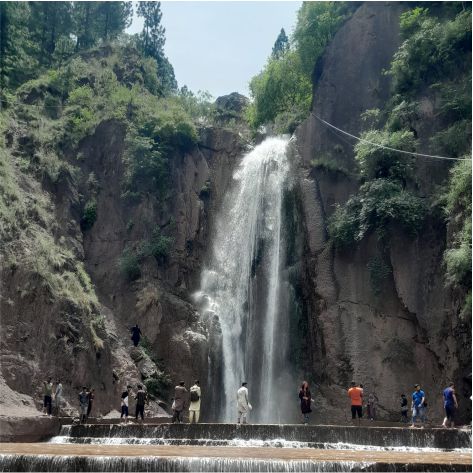
Perched at 5,689 feet in the wild embrace of the Kirthar mountains, Gorakh Hill Station is Sindh’s best-kept secret. Known as the “Murree of Sindh,” Gorakh delights visitors with crisp, refreshing air, spellbinding sunrises that set the sky ablaze, and a night sky scattered with countless stars—a world apart from the relentless heat of the plains below.
Gorakh Hill resort is located in the Dadu district, about 122 kilometers from Sehwan Sharif. It sits at an altitude of about 5800 feet above sea level. It is a cool place with temperatures ranging from 18 to 26 degrees Celsius in the extreme summer season. The resort is not fully developed but has a rest house with 8 rooms and a restaurant. A few huts owned by the Sindh Government are under construction. There is a jeepable road from Wahi Pandhi to Gorakh resort. It takes about 2.5 hours to reach Gorakh from Wahi Pandhi.
The food served there is fresh and of good quality. It is the best place for camping lovers and families, but interested families need to book rooms in advance. Mr. Juman Jamali, a caring and cooperative gentleman, is the focal person of the resort.
Reaching Gorakh Hill Station requires careful planning, including road accessibility, seasonal weather, accommodation options, tours, and essential items to pack. This guide provides comprehensive information for both independent travelers and those joining organized tours.
Location
Gorakh Hill Station is situated in the Kirthar mountain range of Sindh province, approximately 350 kilometers northwest of Karachi. It sits within the Dadu district, accessible through Sehwan Sharif and Wahi Pandhi before the final challenging ascent.
Gorakh Hill Station is roughly 350 kilometers (6-8 hours’ drive) from Karachi and about 250 kilometers (5-6 hours’ drive) from Hyderabad. It reaches an elevation of 5,689 feet above sea level, making it Sindh’s highest accessible point and the province’s only hill station. The terrain features rocky plateaus, sparse vegetation, and dramatic cliff edges offering panoramic views across Sindh’s plains.
Why Visit Gorakh Hill Station?
Gorakh Hill Station breaks every expectation of Sindh. The cool, sharp air can be up to 20°C lower than the sweltering cities below. Rugged mountains rise above green valleys, clouds drift by, and every sunrise and sunset is so breathtaking you’ll want to pause and take it all in. Every view is a memory you’ll carry home.
One of Gorakh’s greatest charms is its solitude. With hardly any crowds or commercial noise, you can truly immerse yourself in nature. It is the perfect place to disconnect, camp under a sky ablaze with stars, and soak in the tranquility of the mountains. At night, the stargazing is unforgettable thanks to the clear, high-altitude air and almost no light pollution.
Best Time to Visit Gorakh Hill Station
Winter Season (October to March)
Gorakh Hill Station’s winter months offer the most dramatic experiences with cold weather creating ideal conditions for photography. Temperatures can drop below freezing at night (especially December-January), while days remain pleasantly cool (10-18°C). This season provides the clearest views, best camping conditions with proper gear, and spectacular stargazing opportunities.
Winter is the peak season for camping and organized tours at Gorakh Hill Station. The cold enhances the bonfire experience and creates occasional morning frost. While snowfall is possible (typically January-February), actual snow remains rare and unpredictable. Most winters see frost and extremely cold temperatures, but not guaranteed snow.
Summer Season (April to September)
Summer brings milder temperatures than in Sindh’s cities. While Karachi swelters at 40°C+, Gorakh enjoys 20-30°C daytime temperatures. Nights remain cool and pleasant. Fewer tourists visit during the summer, offering quieter, more peaceful experiences. However, the monsoon season (July-August) can bring rain, fog, and slippery roads, making travel more challenging.
How to Reach Gorakh Hill Station
Route from Karachi
The most common route: Karachi → Super Highway → Sehwan Sharif → Dadu → Wahi Pandhi → Gorakh Hill Station. The journey takes 6-8 hours, depending on road conditions and stops. From Karachi, take the Indus Highway/Super Highway toward Sehwan (approximately 3-4 hours), then continue to Dadu and finally Wahi Pandhi, where the mountain ascent begins.
Route from Hyderabad
Hyderabad → Sehwan Sharif → Dadu → Wahi Pandhi → Gorakh. This route is slightly shorter (5-6 hours) and follows similar roads from Sehwan onward.
Final 4×4 Jeep Track
From Wahi Pandhi village, the final 30-kilometer stretch is a challenging mountain track requiring 4×4 vehicles. The unpaved, steep, narrow road with hairpin turns and loose gravel makes standard sedans unsuitable and dangerous to drive. This is why 4×4 vehicles are strongly recommended. Regular cars cannot safely navigate this terrain.
Many visitors without suitable vehicles park at Wahi Pandhi and hire local jeeps (PKR 3,000-5,000 for a round-trip, depending on negotiation and group size).
Public Transport Options
Public buses and coaches operate from Karachi/Hyderabad to Dadu or Wahi Pandhi. From there, arrange local jeep transport to Gorakh Hill Station. This option requires coordination and flexibility and typically suits budget travelers or those joining organized tours that handle logistics.
Road Conditions and Travel Tips
Gorakh’s narrow mountain roads demand cautious driving. Night driving is strongly discouraged because unmarked cliff edges, lack of barriers, and poor visibility make it extremely dangerous. Plan to arrive before sunset and depart after sunrise.
Fuel up completely before leaving Dadu; there are no fuel stations beyond this point. Mobile network coverage is unreliable or absent at Gorakh Hill Station, though some spots catch intermittent signals. Carry sufficient cash, as no ATMs or card facilities are available in remote areas.
Travel in convoys when possible for safety and assistance if vehicles encounter problems. Inform someone of your travel plans and expected return time.
Weather and Climate at Gorakh Hill Station
Gorakh Hill Station’s weather varies dramatically between day and night. Winter days might be pleasantly cool (10-15°C) while nights plunge below freezing (0 to -5°C). Even on summer nights, light jackets are needed despite warm days.
Fog and clouds frequently roll through, sometimes reducing visibility to meters and creating mystical atmospheres perfect for photography. Wind conditions can be strong, particularly on exposed plateaus. Secure camping equipment properly. Always prepare for sudden weather changes typical of mountain environments.
Accommodation Options at Gorakh Hill Station
Government Rest House
A government rest house exists but requires booking through the Sindh government departments. Availability is limited, and bookings can be bureaucratic. The facility provides basic shelter but minimal amenities.
Private Guest Houses / Huts
A few private guest houses and basic huts offer shelter with limited facilities. Don’t expect luxury; they provide simple beds and basic protection from the elements. Advance arrangements are recommended during peak season.
Gorakh Hill Station Camping
Camping remains the most popular and atmospheric accommodation option. The plateau offers ample space for tents. Camping, bonfires under stars, sunrise from your tent, and complete immersion in nature define Gorakh’s appeal for many visitors. Bring quality camping gear suitable for cold temperatures, or join tours providing equipment.
Things to Do at Gorakh Hill Station
Sunrise and Sunset Viewpoints
Gorakh’s sunrise views are legendary. Watching the sun illuminate Sindh’s plains from the mountain peak creates unforgettable moments. Sunset brings equally spectacular displays with golden light bathing the rocky landscape. The best viewpoints include the main plateau edge and specific promontories that frequent visitors mark.
Camping and Bonfire Nights
Camping forms Gorakh’s quintessential experience. Setting up tents on the plateau, gathering around bonfires as temperatures drop, sharing stories under star-filled skies, and waking to mountain sunrise define the Gorakh adventure. Both group and solo camping are popular, though group camping enhances safety and social enjoyment.
Hiking and Exploration
Short walks around the plateau and nearby hills offer opportunities for exploration. While not a serious trekking destination, Gorakh offers enough terrain for a few hours of hiking, exploring viewpoints, and immersing oneself in the mountain environment.
Photography and Videography
Landscape photographers find endless inspiration in dramatic mountain vistas, cloud formations, starry skies, sunrise and sunset lighting, and the contrast between rugged peaks and distant plains. Night photography captures star trails and Milky Way shots that are rarely possible in urban Pakistan.
Stargazing
Minimal light pollution and high elevation create exceptional stargazing conditions. On clear nights, the Milky Way stretches across the sky, planets appear brilliant, and meteor showers (when they occur) provide spectacular shows. Bring binoculars or small telescopes to enhance the experience.
Food and Facilities
Limited food options exist at Gorakh Hill Station; no restaurants or shops operate at the summit. Visitors must carry all food supplies or rely on tour-provided meals. Basic chai shops may occasionally operate near the rest house during peak season, but don’t depend on them.
Tour packages typically include traditional Pakistani meals such as BBQ, daal chawal, roti, chai, and snacks. Self-drivers should pack enough food for their entire stay, plus extras for emergencies.
Packing Checklist for Gorakh Hill Station
Winter essentials: Heavy jackets, thermal wear, gloves, warm hats, multiple layers, warm sleeping bags rated for freezing temperatures.
General items: Sturdy hiking shoes, a powerful torch or headlamp with extra batteries, a power bank (no electricity for charging), sunscreen, and sunglasses (high-altitude sun is strong).
Food and supplies: Drinking water (carry sufficient amounts), snacks and meals if self-catering, basic medicines (pain relievers, stomach medicines, any personal prescriptions).
Camping gear (if self-camping): a quality tent, a sleeping bag, a sleeping mat, a camping stove, cookware, and utensils.
Safety Tips for Travelers
Travel in groups; lone travelers face risks if vehicles break down or emergencies occur in this remote location. Avoid night driving on mountain roads. This cannot be emphasized enough, as accidents are common on unmarked cliff edges.
Respect local culture. While remote, Gorakh Hill Station sits in rural Sindh; modest dress and respectful behavior are appreciated. Respect the environment, practice leave-no-trace camping, carry all trash back, don’t disturb wildlife, and avoid damaging vegetation.
Stay within marked safe areas near cliff edges. Monitor weather conditions and seek shelter if storms approach. Inform someone of your itinerary and expected return time.
Budget and Travel Cost Estimate
Self-drive estimated costs: 4×4 rental (if needed): PKR 15,000-25,000 for weekend; Fuel: PKR 6,000-8,000 round trip; Food and supplies: PKR 2,000-4,000 per person; Camping gear rental (if needed): PKR 3,000-5,000; Miscellaneous: PKR 2,000-3,000. Total per person (4-person group): PKR 8,000-12,000.
Group tour estimated costs: Organized tour packages typically range from PKR 6,000 to 10,000 per person for weekend tours, including transport, camping, all meals, and guide services.
Budget tips: Travel with a full group to split vehicle costs, bring your own food to save money, camp rather than book accommodation, and visit during the off-peak season to take advantage of potential local discounts.
Is Gorakh Hill Station Worth Visiting?
Who should visit: Adventure seekers, nature lovers, camping enthusiasts, photographers, stargazers, and anyone seeking escape from Sindh’s heat and urban chaos will find Gorakh Hill Station incredibly rewarding.
Who may want to avoid it: Those expecting luxury accommodations, families with very young children (cold nights and basic facilities), people uncomfortable with rustic conditions, or travelers without appropriate cold-weather clothing during winter?
Final recommendation: Gorakh Hill Station absolutely deserves a visit for anyone willing to embrace basic conditions in exchange for authentic mountain beauty, peaceful atmosphere, and unique Sindh highland experiences unavailable elsewhere in the province.
Gorakh Hill Travel Plan
Day 00 (Friday): Assemble at Millennium Mall Karachi late at night and depart for Gorakh Hills.
Day 01 (Saturday): Travel via Sehwan/Dadu & Wahi Pandi; jeep ride to Gorakh Hills; enjoy sightseeing, sunset, bonfire & camp stay.
Day 02 (Sunday): Breakfast, depart from Gorakh Hills, travel back via Sehwan / Dadu, and arrive in Karachi by night.
Frequently Asked Questions (FAQs)
Is Gorakh Hill Station safe for tourists?
Yes, Gorakh Hill Station is generally safe for tourists. The main risks involve difficult road conditions (mitigated by proper vehicles and daylight driving) and cold weather (managed with appropriate clothing). Travel in groups and follow standard safety precautions.
Do you need a 4×4 vehicle to reach Gorakh Hill Station?
Yes, the final 30-kilometer mountain track absolutely requires 4×4 vehicles. Regular cars cannot safely navigate the steep, unpaved, rocky terrain. Those without suitable vehicles can hire local jeeps from Wahi Pandhi.
Can families visit Gorakh Hill Station?
Yes, families can visit Gorakh Hill Station, though parents should be prepared for basic facilities and ensure children have warm clothing, especially during winter, when temperatures drop significantly at night.
Is there snowfall at Gorakh Hill Station?
Snowfall occasionally occurs during January-February, but it’s rare and unpredictable. Most winters experience frost and freezing temperatures, but no actual snow. Don’t visit specifically expecting snow, as you might be disappointed.
Are tour packages better than self-driving?
Tour packages offer better value for first-time visitors, solo travelers, families, and those without 4×4 vehicles. Self-driving suits catered to experienced adventurers with proper equipment, seeking flexibility. Consider your experience level, equipment availability, and group size when deciding.
Is a mobile network available at Gorakh Hill Station?
Mobile network coverage is extremely limited or absent at the Gorakh Hill Station summit. Some operators catch intermittent signals at certain spots, but don’t rely on connectivity. Download offline maps and inform people of your plans before losing signal.
Conclusion
Gorakh Hill Station is truly Sindh’s hidden mountain gem, known for its peaceful atmosphere, pure air, and unforgettable sunrises. It’s a place to leave the city behind and lose yourself in the serenity of the mountains—whether you’re camping beneath the stars, waking up to golden light, or simply breathing in the silence. The memories you make here will stay with you long after you leave.
Travelers should pack for Gorakh Hill Station’s weather, respect the fragile mountain environment, and practice responsible tourism. While the journey can be challenging, the rewards include panoramic sunrises, opportunities for campfire gatherings, clear night skies, and the chance to reach Sindh’s highest accessible point.