Saif ul Malook Lake – The Lake of Fairies
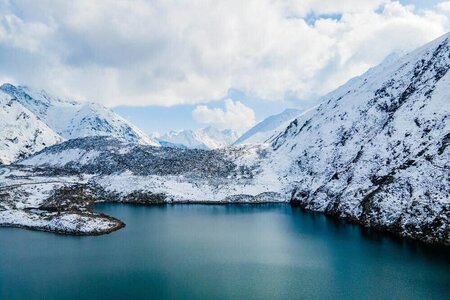
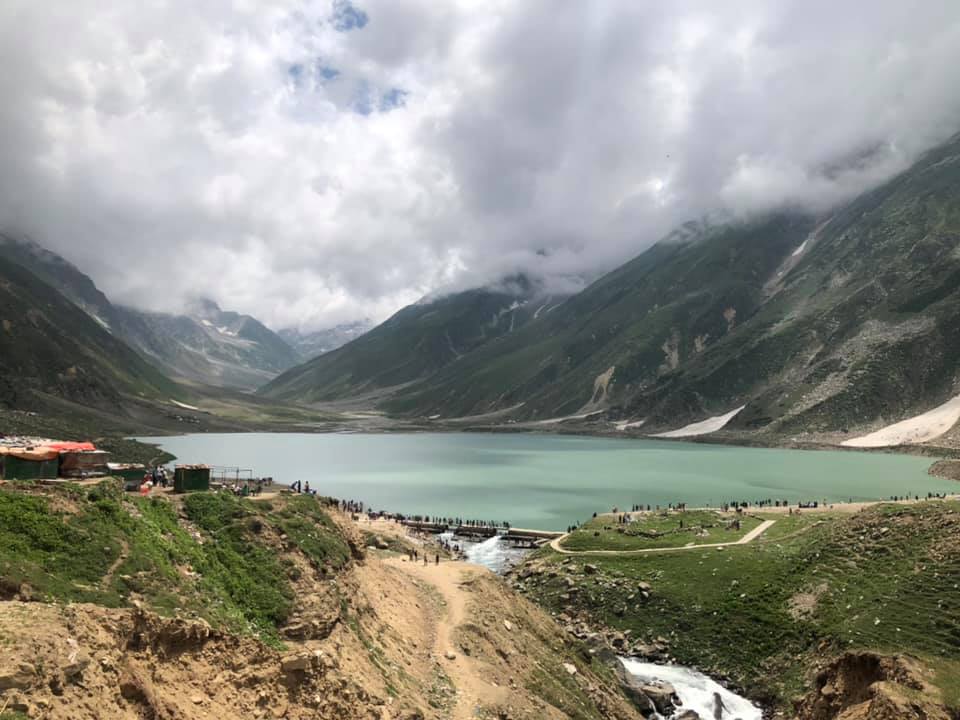
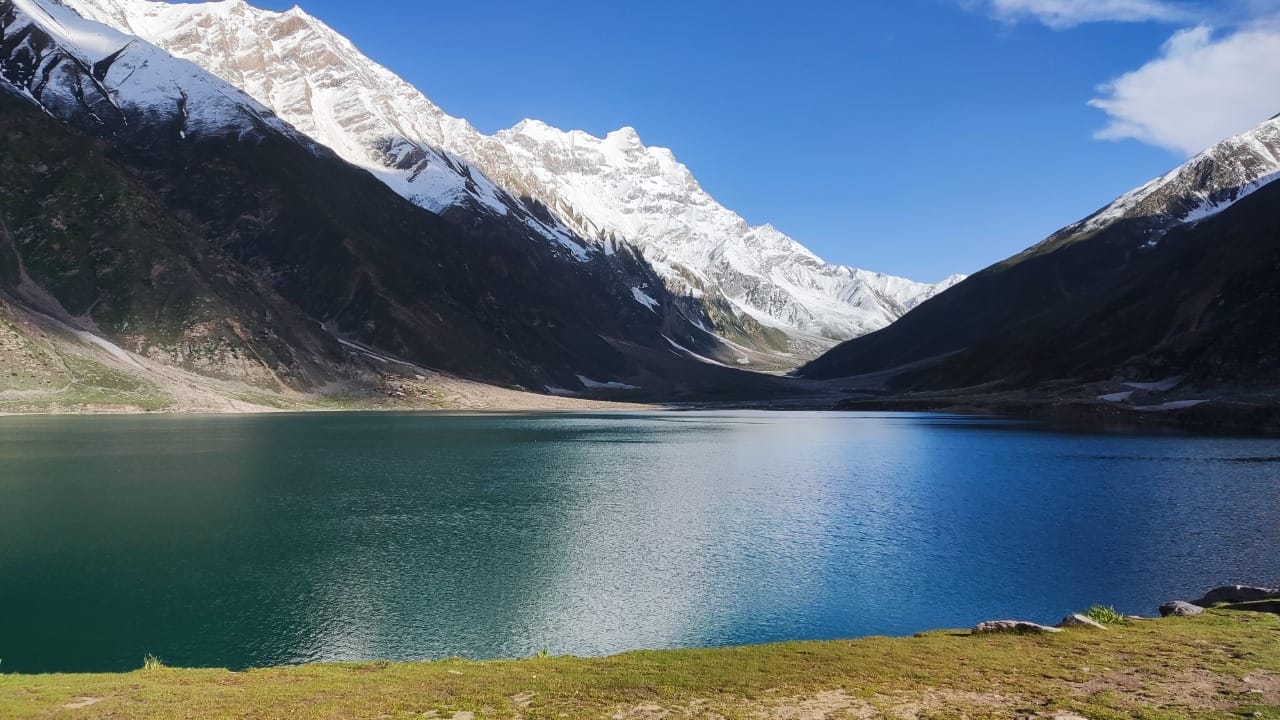
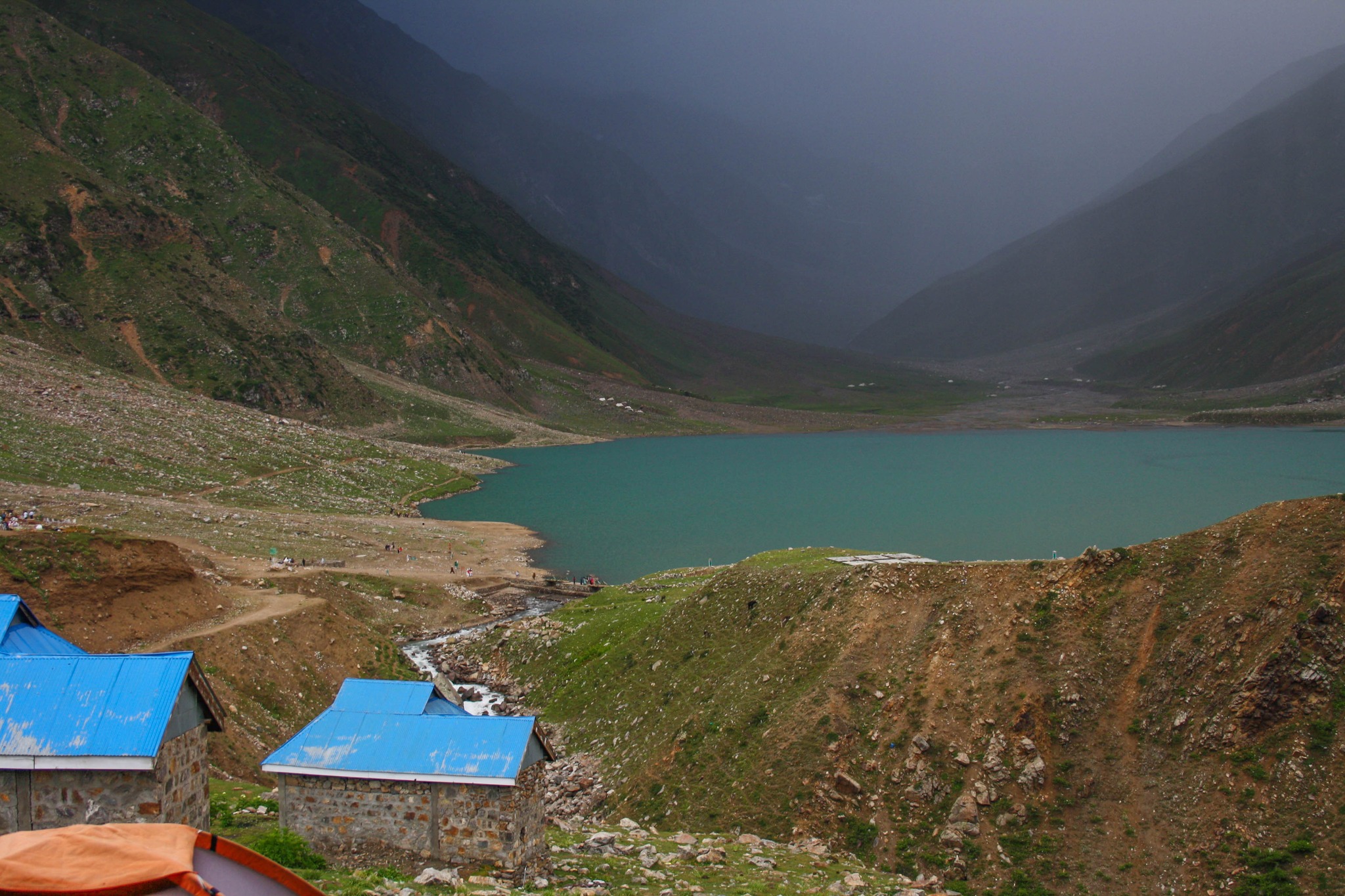
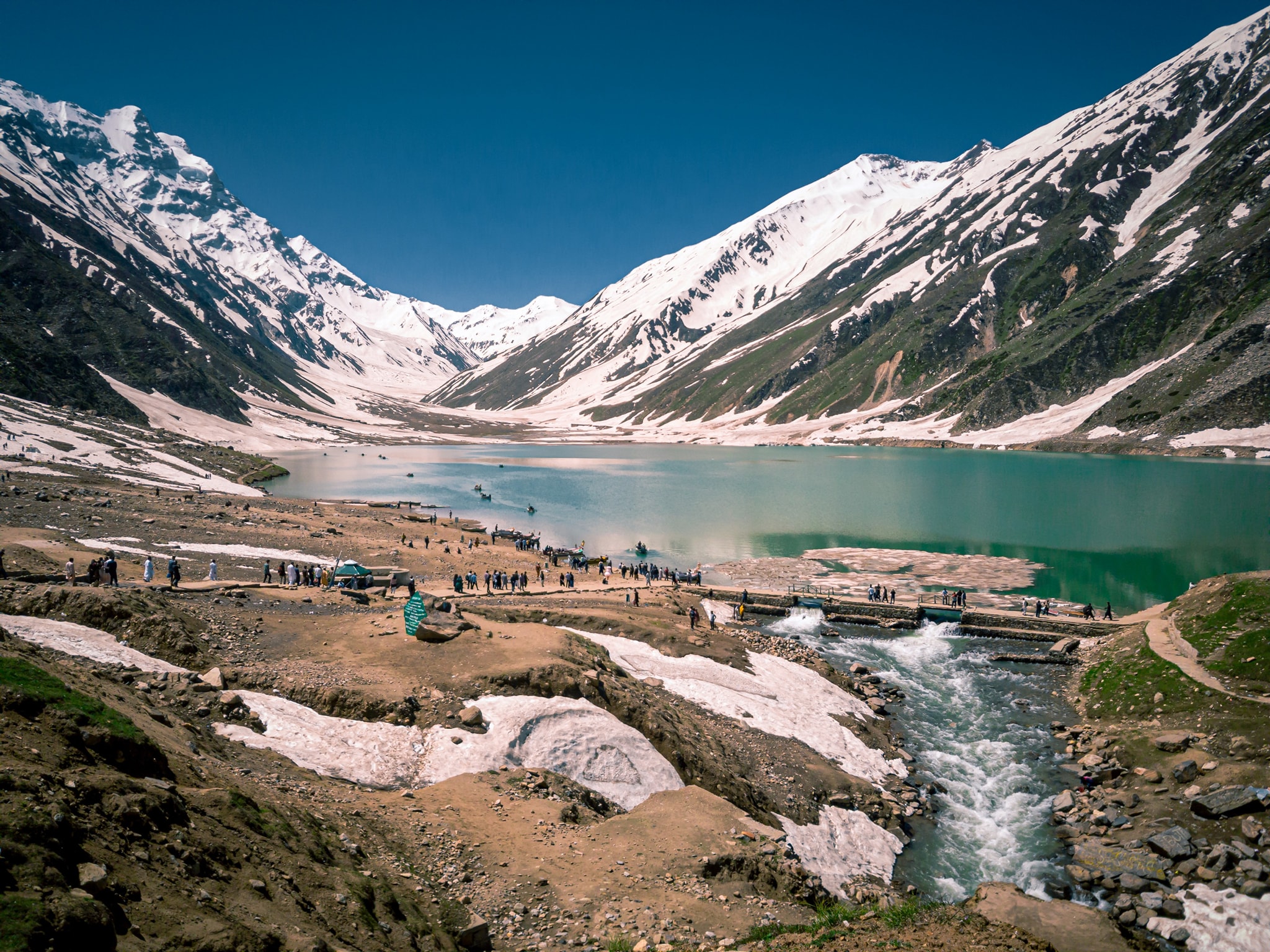
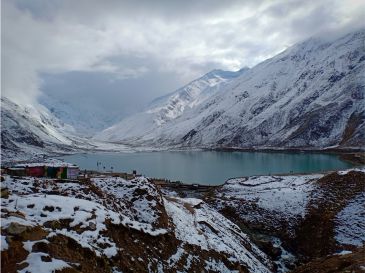
Lake Saif-ul-Malook – positioned by The Guardian as the fifth best visitor goal in Naran Kaghan Tour Packages – appears to be paradise on earth. The greenish-blue, clear, and solidifying water was encompassed by monstrous ice masses. Including Malika Parbat mirrors the excellence of Saif-ul-Malook. The lake is somewhat of a bowl where various chilly waters amass. Be that as it may, it comprises an enormous ecosystem diversity that includes a particularly dark trout, a mass of blue-green algae, and a variety of aquatic plants and phytoplankton.
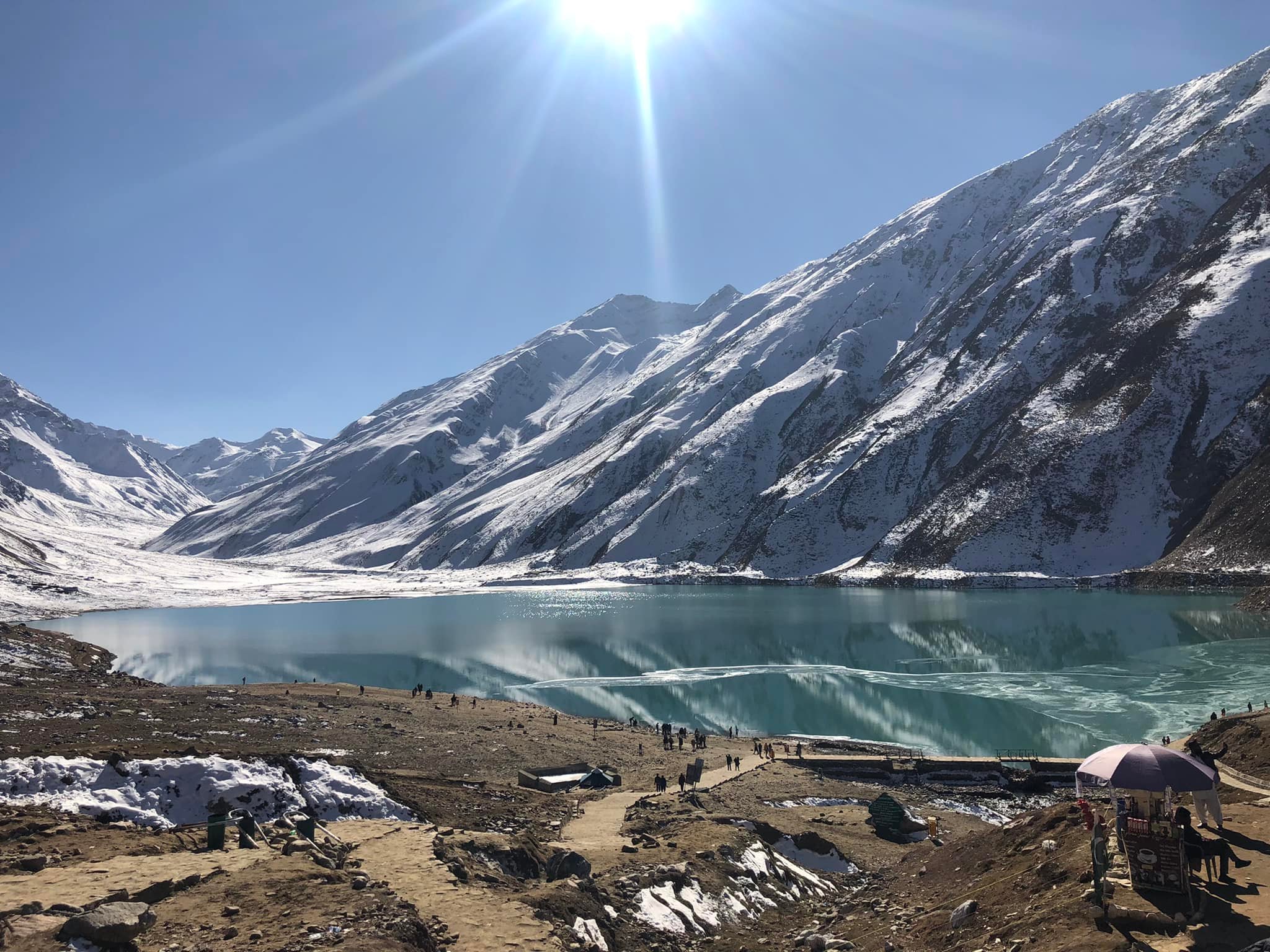
Moreover, Trout angling is very prevalent in Kaghan and Naran. The supernatural lake solidifies during winter due to heavy snowfall. The perfect time for voyagers is from June to September. In Addition, the climate of this perfect spot is amazingly charming during the daytime (around 15-20 degrees centigrade). Though during the evening the climate drops to three degrees centigrade. The drifting facility is likewise accessible for experienced aficionados.
Saif ul Mulook Lake Experience
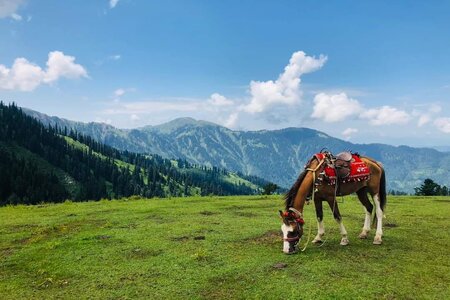
In Short, the experience might be brimming with energy; however, one ought to be cautious because the lake’s depth is still unknown, and there aren’t safe types of gear. So do sailing at your own risk! Horses and ponies are additionally accessible on the off chance that one wouldn’t like to go walking. Outdoors/camping during the full moon season feels like sitting in a fairyland. It is highly recommended for individuals who want to see the moon shining at its brightest among five billion stars in the sky.
Location and Geography
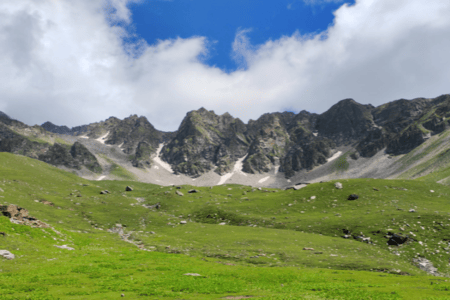
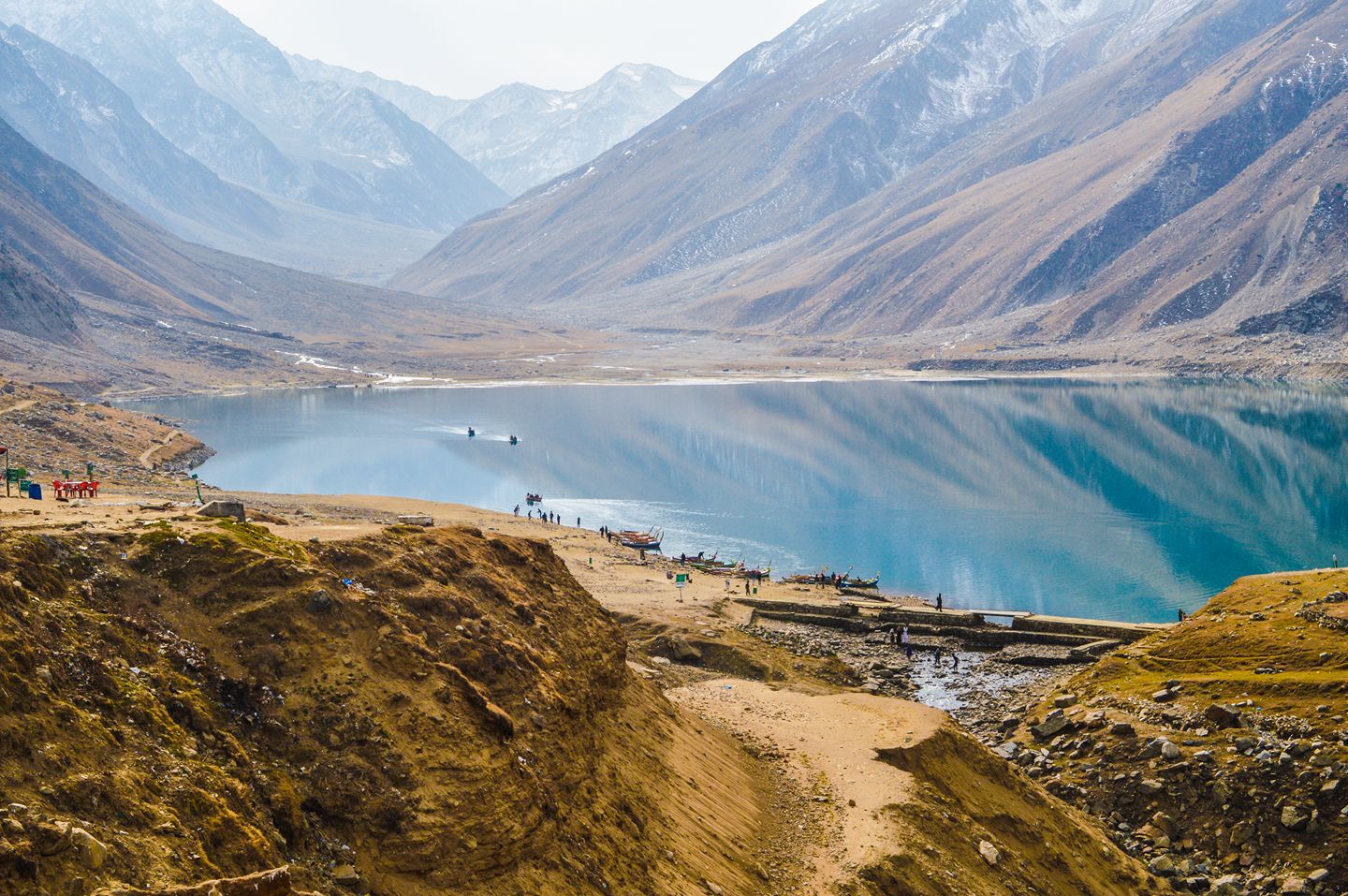
Situated approximately 9 kilometers north of Naran in the Mansehra District of Khyber Pakhtunkhwa, Saif ul Malook Lake is primarily fed by glacial waters from the surrounding mountains. The lake remains frozen for most of the year, with its surface thawing completely only between June and October. It’s clear that the emerald-green waters reflect the snow-capped peaks, creating a striking landscape that attracts both local and international visitors.
Geological Formation
Saif ul Malook is a glacial lake formed approximately 2.6 million years ago during the Pleistocene era. Advancing and retreating glaciers carved basins in the earth, which later filled with meltwater. This process resulted in a high-altitude lake characterized by pure, cold waters, natural moraine walls, and alpine vegetation.
Historical and Literary Significance
The lake is named after the renowned Persian folklore “Qissa Saif ul Malook,” authored by Mian Muhammad Bakhsh, a 19th-century Sufi poet from Punjab. This poetic narrative, composed in Punjabi, recounts the tale of Prince Saif ul Malook, an Egyptian prince who falls in love with Princess Badi-ul-Jamal, a fairy he encounters in his dreams. The story is widely interpreted as an allegory of the soul’s spiritual journey in pursuit of divine love, reflecting themes central to Sufi mysticism.
Many believe that the lake, often enveloped in fog and silence, is the actual site where the events of the legendary love story occurred. This belief contributes to the lake’s name, Saif ul Malook.
Famous Myths and Folklore of Saif ul Malook
In addition to its literary significance, the lake is central to numerous myths and local beliefs that have been passed down through generations. Some of these are light-hearted stories shared by locals to entertain visitors, while others reflect longstanding cultural superstitions.
1. The Prince and the Fairy
Local narratives frequently recount that Prince Saif ul Malook encountered a fairy (Pari) at the lake and fell in love with her. In one version, he steals her wings while she bathes in the lake, compelling her to remain. After she consents to marry him, a jealous demon (Deo), who is also enamored with the fairy, expresses his anger by flooding the valley, thereby creating the lake.
2. The Depth Mystery
One of the most persistent myths asserts that the lake is bottomless. According to local beliefs:
- Anyone who tries to measure the lake’s true depth meets a tragic end.
- Some claim it’s over 1.6 kilometers (1600 meters) deep.
- Others suggest a powerful spirit, or a demon, lives in its depths and pulls anyone who dares to swim into the lake.
However, scientific surveys have established that the lake’s actual depth is approximately 113 feet (34 meters). The persistence of the myth is likely due to the lake’s stillness and its reflective surface, which creates an illusion of infinite depth.
3. Paranormal Occurrences
Some local residents believe that jinns or spirits inhabit the area, particularly at night. It is said that:
- Fairies still descend to bathe in the lake under the full moon.
- The lake glows with an ethereal light at midnight.
- Strange sounds echo around the lake in silence, which are attributed to the whispers of jinns.
No empirical evidence supports these supernatural claims, yet they remain integral to the lake’s cultural identity.
When to Visit
Although the lake is most accessible from June to early October, the optimal time to visit with fewer crowds is during the shoulder season, from October to early November. During autumn, the landscape turns golden, and the crisp mountain air enhances the lake’s mystique.
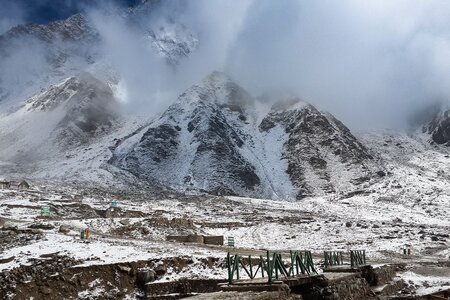
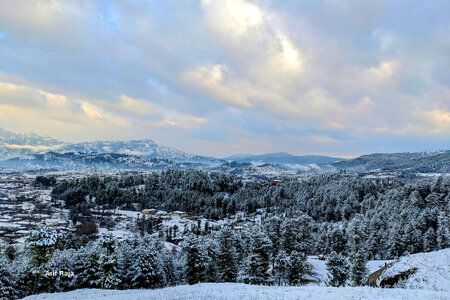
In winter, heavy snowfall blocks access routes, and the lake freezes completely, revealing a serene, untouched panorama. Only the most adventurous individuals can witness this scene, as reaching Saif ul Malook Lake in winter requires an arduous 5- to 7-day trek through extreme cold.
Accessibility and Map
- Transport: Accessible by jeep from Naran during the summer season.
- Trekking Option: Experienced hikers may undertake the 9-kilometer trail from Naran, although the route is considered challenging.
- Altitude Sickness: Due to the lake’s high elevation, visitors should acclimatize and stay hydrated.
- Facilities: Basic amenities are available near the lake, including small shops and boat rentals, though prices may vary by season.
Must Read: Trek to Dudipatsar Lake
Must Read: Trek to Saral Lake
Saif-ul-Malook Lake Beauty
The Saif ul Malook has long been an electrifying destination for the following:
- Nature Lovers
- Families
- Honeymoon
- Newlywed Couple
- Rafting Lover
- Painters
- Photographers
- Peace Seekers
Must Read: Rush Lake Trek
Must Read: Beautiful Ansoo Lake Trek
Boating in Saiful Malook Lake
Saif ul Mulook Lake Boating is a quite mesmerizing experience that is never forgettable. The boating charges vary by the number of people and boat size, and the price also depends on whether it’s a half-lake or full-lake visit. 8-10 people can easily be accommodated in one boat. The full boat round costs Rs. 1000-1500. Half-round costs are 500-800, depending on your bargaining.
Must Read: Katora Lake Trek Kohistan
Must Read: Chita Katha Lake Trek
Food at Saif ul Malook Lake
Every type of Food is available at Saif ul Maluk Lake, but most are not of good quality. Make sure the food you purchase is fully hygienic. Tea with French fries is the best combination with the best view of Saif ul Maluuk Lake. The Washroom Facility is also available at the lake.
Saif ul Mulook Lake Jeep Charges / Rent / Fare
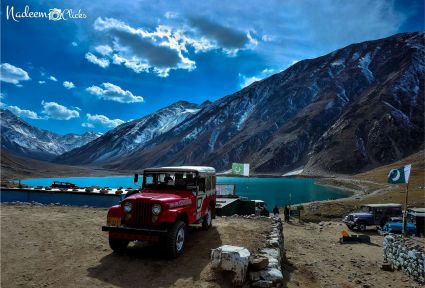
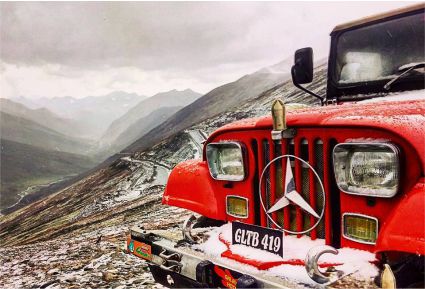
The track distance from Naran to Saif ul Malook Lake is about 8 km, and the trip takes 40-45 minutes one way. The jeep fare is about Rs. 2000-2500 from Naran Bazar, depending on your bargaining. 6-7 people can easily adjust in one jeep. The Jeep ride is also a memorable experience for an off-road adventure.
Saif ul Mulook Lake Depth and Height
The depth of the lake remains a mystery to geologists. Some say it’s about 1-1.7 km deep, but they don’t know the exact depth of this lake.
Saif ul Malook Lake Trek
At the start of May, there are too many glaciers on the way to Saif ul Mulook Lake. The Jeep track is closed due to heavy and dense snow. So many people want to visit the lake with its white crystal layers. So they trek to Saif ul Mulook lake. It takes an experienced trekker 4 to 5 hours from Naran Bazar.
Lake Saif-ul-Malook, located at an elevation of 3,224 meters (10,580 ft) in Naran Valley, Khyber Pakhtunkhwa, is regarded as one of Pakistan’s most significant alpine lakes. The lake is notable for its clear blue water, surrounding snow-capped peaks, and rich folklore, attracting thousands of visitors each year.
Saif-ul-Malook is situated 9 km from Naran and is accessible only by jeep. The lake is approximately 295 km from Islamabad, with a travel time of 8 to 9 hours. Access is generally restricted to the period from May to October, depending on snowfall conditions.
Location and Accessibility
Route: Naran Bazaar → Saif-ul-Malook Jeep Track → Lake Saif-ul-Malook
- Naran to Lake Distance: 9 km (45 minutes – 1 hour) by jeep
- Islamabad to Naran: 285 km (7–8 hours)
- Lahore to Naran: 520 km (10–11 hours)
The final 9 km from Naran to the lake is a rugged, rocky, steep track, navigable only by 4×4 vehicles driven by experienced local drivers.
Tips for Tourists
- Always use a local 4×4 jeep; self-driving is dangerous
- Wear warm clothes, even in summer (temperatures drop suddenly)
- Visit early morning for clear skies and less tourist rush
- Drone flying may be restricted; ask local authorities
- Carry snacks and water (limited facilities at the lake)
- Trekking is possible in summer, but only for fit travelers
Things to Do at Lake Saif-ul-Malook
– Boating: PKR 700–1,500 per person
– Photography: Stunning water reflections + Malika Parbat views
– Horse Riding: PKR 500–1,000
– Short Hikes: Towards the glacier and viewpoints
– Snow Play (early summer): Snow patches often remain till June
– Stargazing: One of the best dark-sky spots in Naran (night camps available)
Hotels Near Lake Saif-ul-Malook
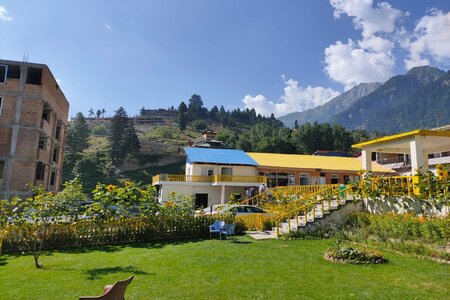
Naran Valley is among Pakistan’s most popular summer destinations, offering a range of accommodation options, including cottages and villas surrounded by mountains and greenery. The following are recommended hotels and cottages available for booking through North On Wheels:
Cost of Visiting Lake Saif-ul-Malook
– Jeep (Round Trip): Rs 3,000 – 5,000
– Boating: 700 – 1,500 Snacks / Tea300 – 600
– Photography / Misc300 – 700
– Total: 4,000 – 7,500 per person (depending on group size)
Weather at Saif-ul-Malook
– Summer: 5–18°C, Best time to visit
– Spring: 0–10°C, Snow melting, access may be limited.
– Autumn: 2–12°C, Clear views, chilly
– Winter: -10 to -20°C, completely snowed in, inaccessible
Best Time to Visit
✔ Summer: June to September
✔ Autumn: October (early) for crystal-clear photography
❌ Winters: Access road is blocked by heavy snow
Jeep Requirement
- Mandatory: The last 9 km stretch is accessible only by jeep.
- Rates vary depending on season and demand.
Important Distances
– Naran to Saif-ul-Malook: 9 km (45 minutes – 1 hr)
– Naran to Babusar Top: 65 km
– Naran to Islamabad: 285 km
– Naran to Kaghan: 23 km
– Naran to Lulusar Lake: 50 km
Must Read: Mesmerizing Karomber Lake Trek