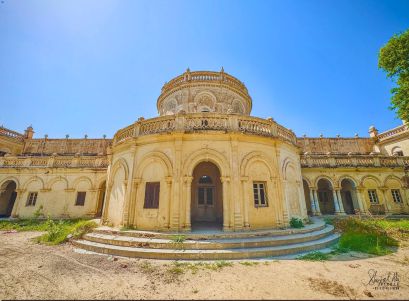

Bahawalpur is a city and district in the Punjab province of Pakistan, renowned for its historic architectural landmarks, including the Noor Mahal. The city boasts numerous top-rated tourist attractions and has a rich history. In this blog, we will explore the top 10 historical and remarkable places to visit in Bahawalpur.
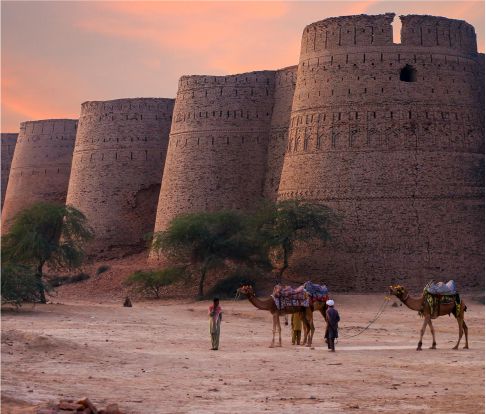
Located 130 km south of Bahawalpur, Derawar Fort is a must-visit site, visible from miles away in the Cholistan Desert. Derawar Fort is situated approximately 100 kilometers from Bahawalpur city, within the Tehsil Yazman of Bahawalpur District.
The fort is situated at the start of the Greater Cholistan Desert, along the banks of the Hakra River, which used to flow in this area long ago. One can still see the dry bed of the Hakra River, east of Derawar Fort, forming a continuous depression that runs from north to south.
Originally constructed by Rai Jajja Bhatti in the 9th century AD, Derawar Fort was captured by the Nawab of Bahawalpur in the 18th century. It was lost in 1747 but was recaptured in 1804 by Nawab Mubarik Khan of Bahawalpur State. The nawab undertook a major reconstruction of the fort, and most of what we see inside today was built during Nawab Mubarik Khan’s time.
Derawar Fort is a majestic and iconic site in Cholistan and visible from a long distance on clear days. Its walls and bastions still stand with remarkable grandeur, telling the stories of its illustrious past.

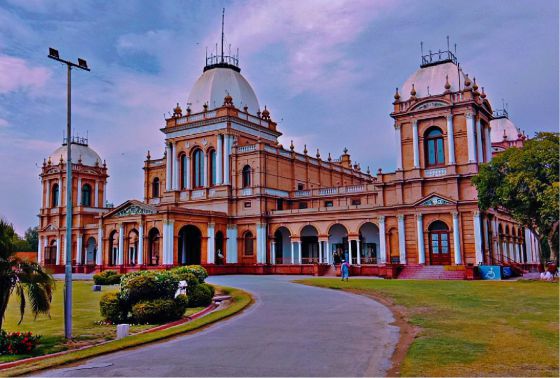
Noor Mahal is a palace located in Bahawalpur, constructed in 1872 by Nawab Sadiq Muhammad Khan IV, the ruler of Bahawalpur State. The Nawab reportedly built this palace in honor of his wife, Queen Noor. Its architecture is a blend of Corinthian and Islamic styles. The palace features 32 rooms and five domes. The top floor offers a beautiful view of Bahawalpur city and the palace garden. Both during the day and when illuminated at night, Noor Mahal exudes a grand and commanding presence.
A spacious, well-maintained garden surrounds the palace. In 1991, the Pakistan Army purchased the palace from the Nawab family, and it now serves as the Bahawalpur Garrison Club. Although the palace had deteriorated significantly over time, the Pakistan Army has done an excellent job of restoring it to its original splendor.

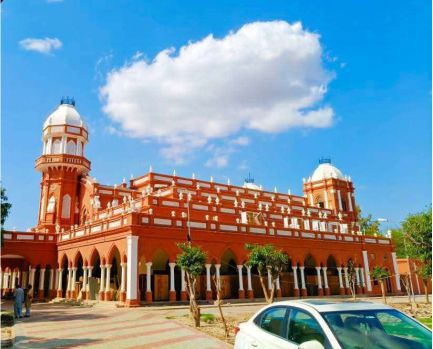
This castle/palace is a must-visit for every history lover at least once in their lifetime. The beautiful scenery of Darbar Mahal’s gardens makes it an exotic place to relax and breathe in the atmosphere. Its construction takes you back to the time when the Nawabs of Bahawalpur treated their state with great care and attention. Although visiting the palace can be challenging due to the army’s control over the area, having some influence can help you gain access.
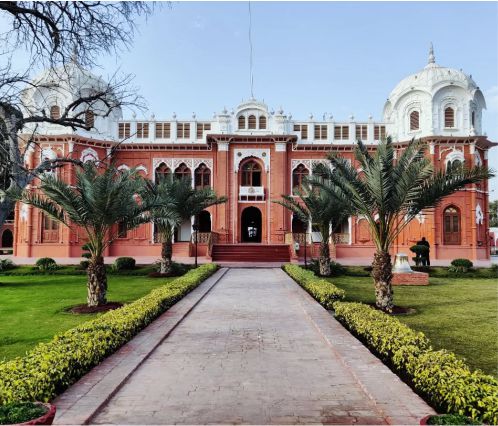
Darbar Mahal is a historic palace in Bahawalpur that is absolutely grand and majestic in appearance. Built in 1904 by Nawab Bahawal Khan V, this impressive palace showcases exceptional architectural beauty. It is set within a large compound that includes several key structures: Darbar Mahal itself (the largest and most prominent), Nishat Mahal, Farrukh Mahal, Baradary, and the Royal Mosque, all surrounded by vast lawns and orchards.
Unlike Sadiqgarh Palace, which has suffered from neglect and decay over the years, these properties have been well-maintained due to their usage by the Army. The Army has done an excellent job in restoring these buildings to their original grandeur.
If you find yourself in Bahawalpur, there are three attractions you simply cannot miss: Darbar Mahal, Noor Mahal, and the desert fort Derawar.

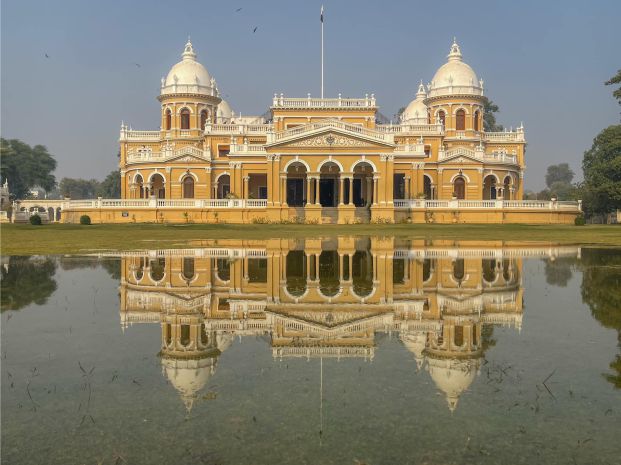
Built between 1906 and 1909 during the reign of Sadiq Muhammad Khan V, Gulzar Mahal was designed to accommodate female members of the royal family (excluding the queen). Large gardens surround this beautiful palace and are within the Bahawalgarh Palace complex, adjacent to Darbar Mahal, Farrukh Mahal, and Nishat Mahal.
Similar to Noor Mahal, this palace was also built by the Nawab of Bahawalpur and is currently owned and managed by the Pakistan Army. They have done a wonderful job preserving the belongings of the Nawabs. Upon entering the palace, you will find pictures of all the Nawabs displayed, as well as museums showcasing the weapons of the Nawabs’ army. The beauty of this palace is truly beyond description; words and pictures fail to capture its magnificence.

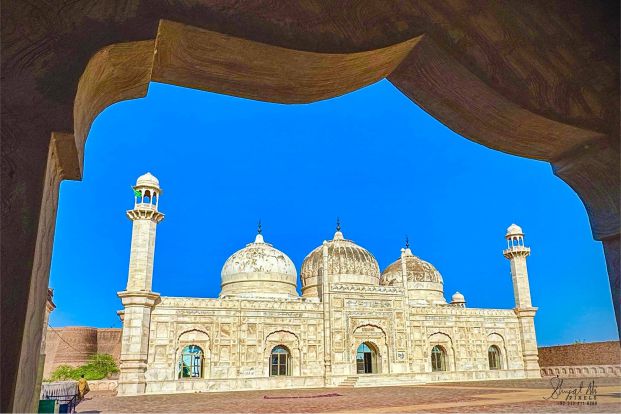
The Derawar Masjid, featuring three domes and four minarets, is a replica of the Moti Masjid at the Red Fort in Delhi, India. It was built in A.D. 1844, and the entire structure is made of white marble. The area surrounding the mosque is rich in archaeological artifacts associated with Ganweriwala, a vast yet unexcavated city from the Indus Valley Civilization.
If you are traveling through Sindh and Punjab, be sure not to miss the Derawar Masjid; otherwise, you may find yourself regretting it and wanting to return. This stunning white marble mosque features architectural designs reminiscent of Shah Jahan’s Moti Masjid in Agra. It is part of the ancestral home of the Nawabs of Bahawalpur and remains within the Abbasi family.
Located next to the Derawar Fort in the Rohi or Cholistan Desert, it stands proudly, a bit outside the city of Bahawalpur, making it well worth the visit. Along the way, you’ll pass beautiful Punjab farmlands filled with mango, sugar cane, and cotton plantations, as well as fish farms.

Also known as the Sadiq Reading Library, the Bahawalpur Central Library is one of the most important places to visit in the city. Established on March 8, 1924, it is regarded as the second-largest library in Punjab Province. Built in a Victorian style, the library houses a collection of one million books, along with historical documents and newspapers. The library is open to everyone.
The Central Library Bahawalpur is more than just a space filled with books; it serves as a cultural hub that encourages intellectual exploration and an appreciation of the arts. With its extensive collection and tranquil atmosphere, the library invites visitors to immerse themselves in literature, history, and art, providing a peaceful escape amidst the bustling city.

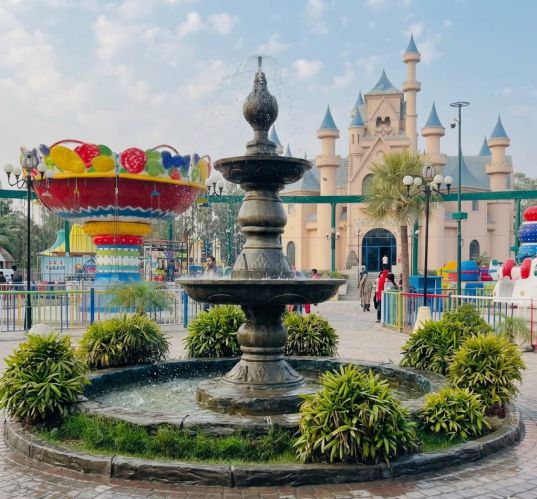
Opened between 2015 and 2017, SS World Family Park is a fun destination for families with children. It features rides, 3D movies, food stalls, and even an artificial lake where children can go boating. An entry ticket cost100 rupees, making it an affordable place to enjoy a weekend.
SS WORLD Bahawalpur is an excellent attraction located in the heart of Bahawalpur city. The park features a beautiful covered area with many swings and a fun monorail ride, all for an entry ticket of just 100 rupees. The enjoyment is truly limitless!
This state-of-the-art amusement park offers thrilling rides, a modern indoor arcade, and a wide variety of food options. Designed for families, friends, and children, it is the ultimate destination for fun, adventure, and unforgettable memories.

Located 50 km west of Bahawalpur, Uch Sharif is one of the oldest centers of learning and culture in Pakistan. This historical site was originally situated at the confluence of the Uch and Indus rivers. In 1790, the river shifted, but Uch Sharif remains significant, with connections to Alexander the Great, who envisioned it as a thriving city.
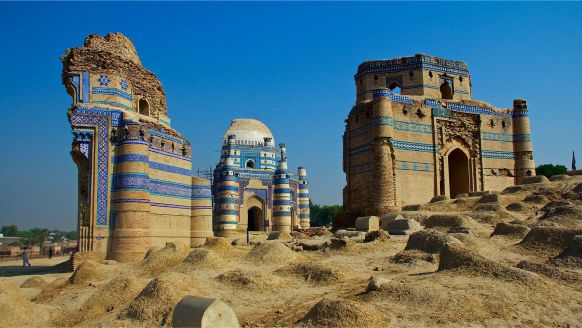
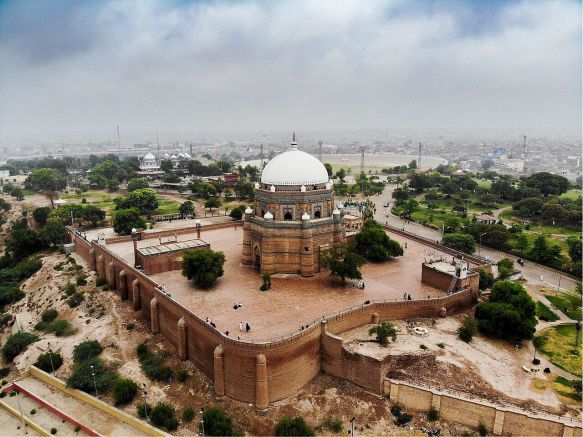
The Tomb of Bibi Jawindi is one of five notable sites to visit in the city of Uch Sharif, Punjab, Pakistan. It is located approximately 80 kilometers (a 1.5-hour drive) from Bahawalpur via the Ahmedpur East bypass on National Highway 5 (N5).
Legend has it that the founder of Uch Sharif was Alexander the Great, but the city became famous for its shrines and tombs built around the 15th century, featuring blue Kashi and Persian architectural styles. Many of these tombs were later damaged by floods in the 18th century.
Another nearby monument is the tomb of Jalaluddin Surkh-Posh Bukhari.

Established in 1974, the Bahawalpur Museum is dedicated to archaeology, art, heritage, modern history, and religion. It is located in Bahawalpur, Punjab, Pakistan, and operates under the jurisdiction of the Bahawalpur district government, currently overseen by Director Hussain Ahmed Madni. The museum features eight galleries that showcase various themes.
The Bahawalpur Museum brings history to life with a thoughtfully curated collection of artifacts that highlight the city’s rich heritage and evolution. From ancient relics to items that showcase the cultural diversity, this museum is a treasure trove of knowledge, offering visitors a profound understanding of Bahawalpur’s past.

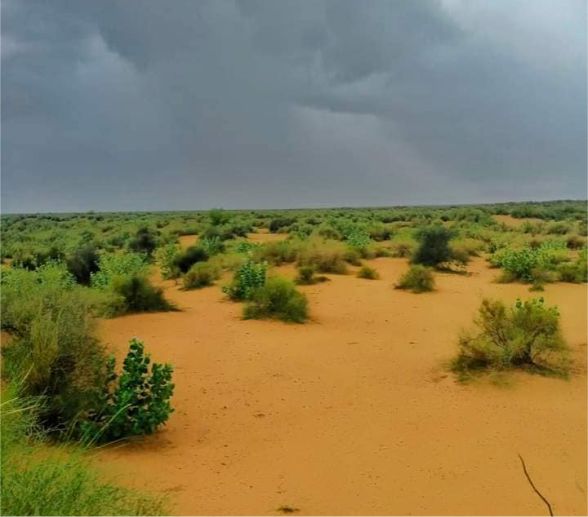
The Cholistan Desert, known locally as Rohi, lies 30 km from Bahawalpur and covers an area of 26,300 km². It borders the Thar Desert and extends into Sindh and India. The term “Cholistan” derives from the Turkish word “chul,” meaning desert. The seminomadic Cholistani people migrate in search of water and fodder for their livestock. The desert is also home to the annual Cholistan Desert Jeep Rally, Pakistan’s largest jeep racing event.
To the east lies the Rohi, also known as the Cholistan Desert, a vast and rugged expanse characterized by its arid landscape. It is bordered to the north and west by the Hakra Depression, where remnants of ancient settlements rise along elevated banks. This desert area remains home to nomadic tribes, while the primary communities around Bahawalpur consist of the Jat and Baloch peoples.
Cholistan occupies the southernmost part of Punjab and is the largest desert in Pakistan, spanning more than 25,000 square kilometers. It stretches south into the Thar Desert of Sindh and extends eastward into India’s Rajasthan Desert.
A striking feature of this landscape is its imposing walls, which are supported by forty massive buttresses—ten on each side—that stand tall against the backdrop of the desert, emerging from the sands during sunset.
Additionally, Cholistan is known for hosting the annual Cholistan Desert Jeep Rally, the largest motorsport event in Pakistan, attracting enthusiasts and adventurers alike.