What is Basho Valley?
The drive from Skardu city to Basho Valley takes approximately one hour. Although the road is narrow and uneven in places, the journey is rewarding. The area is sometimes referred to as Sultanabad Meadows, though most people simply call it Basho Valley. In the local Balti language, “Basho” means raisin, a name inspired by the abundance of grapevines on the hillsides.
The valley is situated at elevations between 8,800 and 10,000 feet, higher than most surrounding areas. The thinner air may initially cause shortness of breath. Summer extends from June to September, with daytime temperatures ranging from 59 to 68 degrees Fahrenheit, while nights can be cold, occasionally dropping below freezing. Warm clothing is recommended.
Landscape features of Basho Meadows
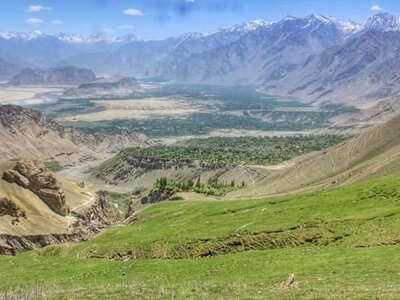
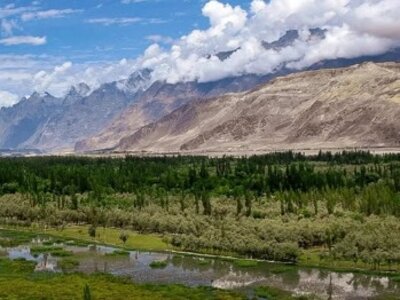
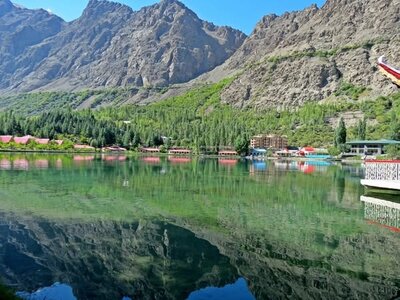
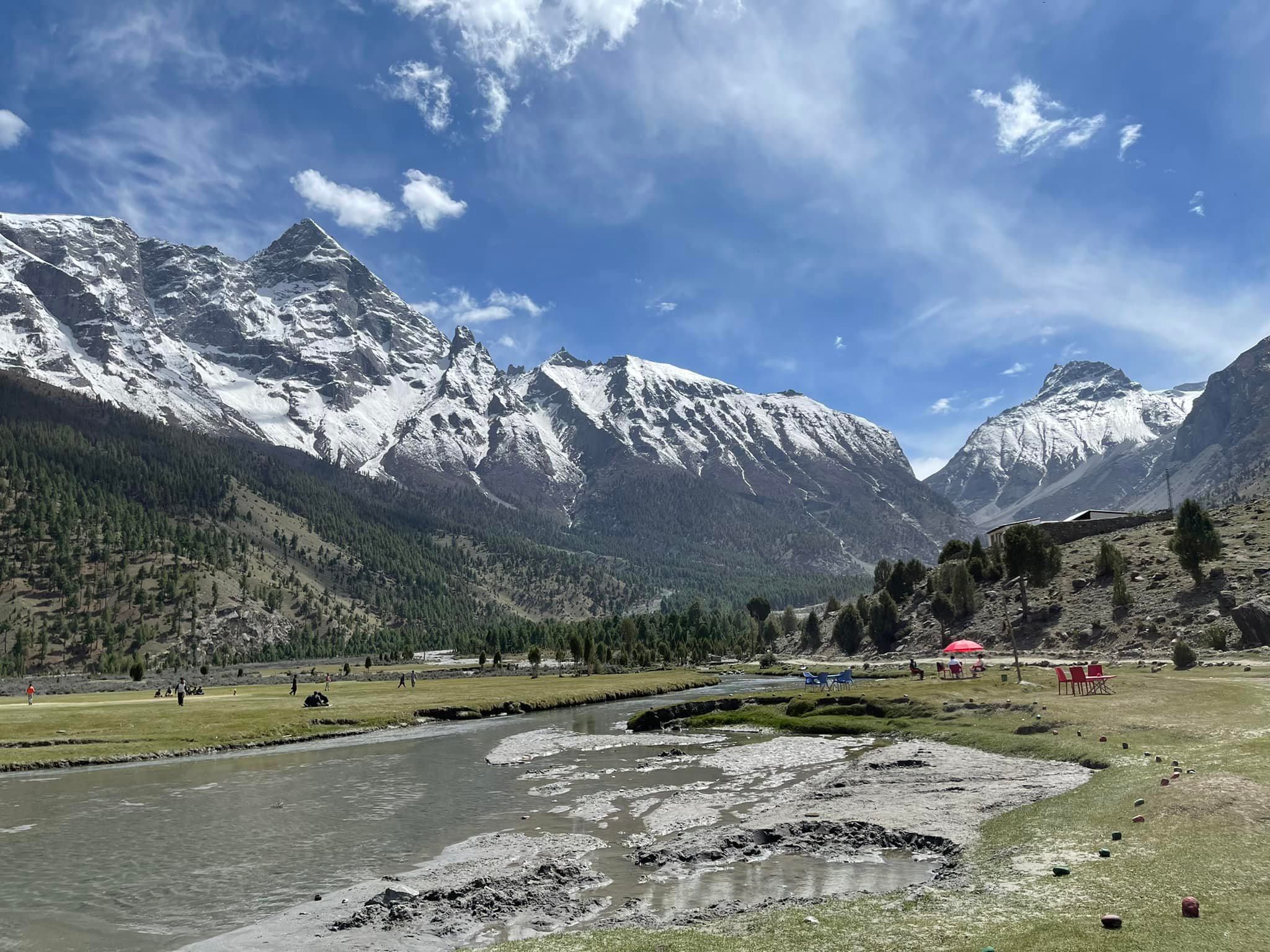
Basho Valley is often described as a paradise, with few places remaining so unspoiled. There are no hotels or souvenir shops—only mountains, meadows, and streams. The Karakoram peaks retain the same pristine appearance they had generations ago.
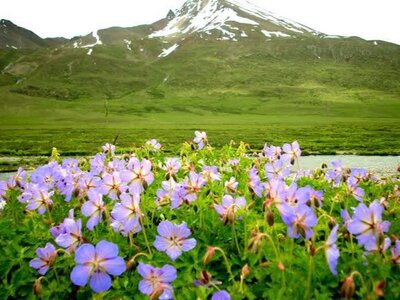
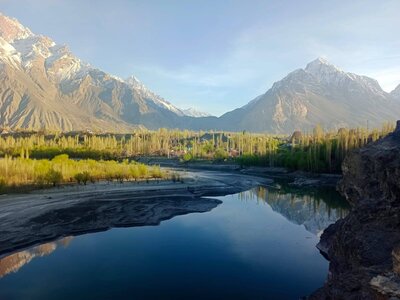
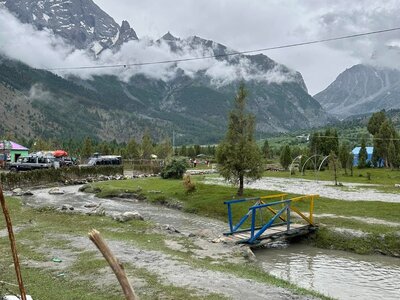
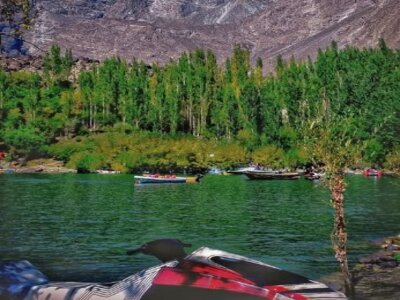
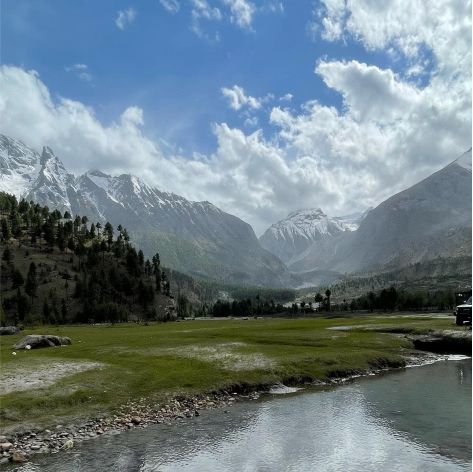
Despite its size, Basho Valley is vibrant in summer, with wildflowers blanketing the meadows and ancient pine trees growing densely in certain areas. Glacial streams, fed by mountain runoff, are exceptionally cold. Surrounded by mountains, the valley offers a profound sense of tranquility, punctuated only by the sounds of birds, wind, and flowing water.
While Hunza Valley is crowded with tour groups and Skardu city is undergoing rapid development, Basho Valley remains largely untouched and uncrowded. Visitors can hike for hours without encountering others. The meadows and streams are naturally pristine, free from artificial enhancements.
Overview of Natural Beauty and Serenity
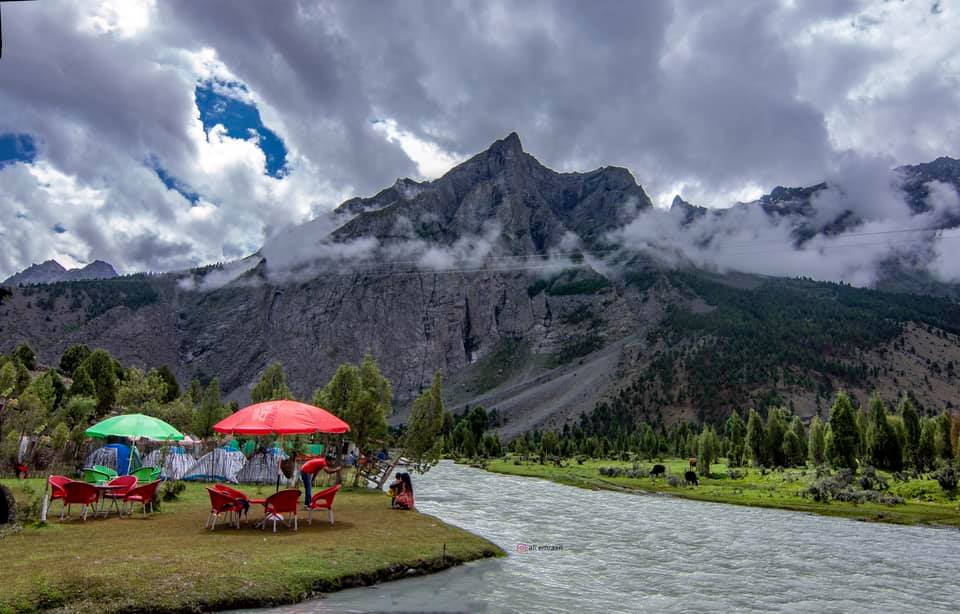
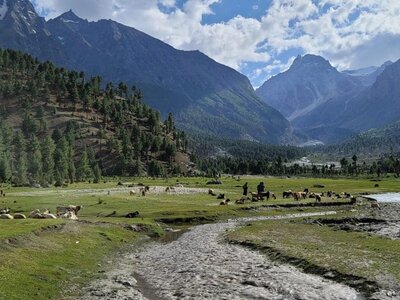
Basho Valley features three distinct zones. The lower level consists of expansive meadows, known as Sultanabad Meadows, where wildflowers bloom in vibrant colors during summer, and farmers graze their livestock. Camping is permitted on the grass, offering unobstructed views of the night sky, free from city lights.
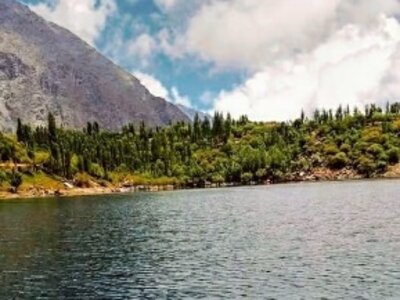
Ascending from the meadows, visitors enter forests of ancient pine and juniper trees, some over a century old. The area supports diverse wildlife, including markhor, ibex, deer, and, though rare, snow leopards. Birdlife is abundant, with eagles and various mountain species commonly observed.
At higher elevations, the tree line ends due to cold and wind, leaving only rocky slopes and snow-capped peaks. The valley is encircled by mountains, offering impressive views from all directions. Trails lead to remote areas rarely visited by hikers.
Basho Valley’s tranquility stems from its natural beauty and the simple lifestyle of local Balti families. Residents practice traditional agriculture and seasonal livestock migration. The absence of large buildings and busy roads, combined with the valley’s remote location, contributes to its calm atmosphere, which is increasingly rare elsewhere.
Geography and Natural Landscape of Basho Valley
Mountains, Forests, and Meadows of Basho Valley
The geographic diversity of Basho Valley, Skardu, creates a vertical ecosystem within a compact area. At the valley floor (about 8,800 feet), expansive alpine meadows dominate. These meadows, called Sultanabad Meadows, transform with the seasons—from snow-covered carpets in winter to green and wildflowers in spring and summer.
Rising from the meadows, dense coniferous forests form a mid-elevation belt. These forests mainly consist of Himalayan pine, juniper, and fir species adapted to the harsh climate and thin air. They provide crucial ecosystem services such as watershed protection, wildlife habitat, and microclimate regulation that support the valley’s agriculture.
Above the tree line, bare rocky slopes lead toward the snow-covered peaks that surround the valley. These mountains, while not among the world’s highest, still reach impressive elevations above 17,000 feet and maintain permanent snow cover and glaciers that feed the valley’s water systems year-round.
Rivers, Streams, and Freshwater Springs
Water defines Basho Valley’s character. The Basho River, fed by glacier and snowmelt from surrounding peaks, flows through the valley, creating a constant soundtrack of rushing water. This river gives the valley its name and sustains all life here—from forests and meadows to local agricultural fields.
Countless smaller streams and freshwater springs emerge from hillsides, creating waterways that maintain the valley’s lush vegetation even during dry months. These waters are pure, coming directly from glacial sources with minimal human impact, making them safe for drinking (though visitors should still take precautions).
Abundant water distinguishes Basho from many other high-altitude valleys in Gilgit-Baltistan, which often have arid, desert-like conditions. This water creates a microclimate supporting richer vegetation and wildlife than elevation alone would suggest.
Unique Himalayan Ecosystem and Biodiversity
Basho Valley hosts a remarkably diverse Himalayan ecosystem despite its relatively small area. The valley’s biodiversity includes:
Flora: Over 100 plant species have been documented, including various wildflowers (primulas, edelweiss, forget-me-nots), medicinal herbs traditionally used by local communities, and unique alpine plants found nowhere else.
Fauna: The wildlife population includes Himalayan markhor (Pakistan’s national animal), Asiatic ibex, musk deer, Himalayan brown bears, red foxes, and the elusive snow leopard. Bird species include golden eagles, lammergeiers, snowcocks, and various species of pheasants and partridges.
Conservation Status: Local communities have implemented traditional conservation practices, including prohibitions on deforestation and hunting, that have maintained the valley’s ecological integrity. These community-based conservation efforts have proven remarkably effective, allowing wildlife populations to thrive despite increasing tourism pressure in the broader region.
Local Communities and Traditions
The residents of Basho Valley belong to the Balti ethnic group, speak Balti (a Tibeto-Burman language), and practice Islam, which arrived in the region several centuries ago. The community maintains strong ties to traditional ways of life despite increasing modern influences.
Village organization follows traditional patterns, with decisions made collectively and resources managed communally. The community’s relationship with the land reflects deep ecological knowledge built over generations—knowing when to plant, where animals will be in different seasons, how to read weather patterns, and which areas need protection for long-term sustainability.
How to Reach Basho Valley
Route from Skardu to Basho Valley
Distance and Travel Time: The journey from Skardu to Basho Valley covers about 45 kilometers and takes 2.5-3.5 hours total. The trip divides into two segments with very different road conditions.
First Segment (Skardu to Basho Bridge): The initial 40-45 kilometers from Skardu city to Basho Bridge follow the paved Jaglot-Skardu Road. This section takes about 1-1.5 hours and can be covered in any vehicle. The road runs alongside the Indus River, offering spectacular gorge views and glimpses of traditional villages on mountainsides.
Second Segment (Basho Bridge to Valley): After crossing the iconic Basho Bridge, a 450-foot suspended bridge that sways as vehicles cross, the character changes completely. The remaining 10 kilometers to the main valley area follow a rough, unpaved jeep track that climbs steeply upward, gaining approximately 3,500 feet in elevation. This section takes 1.5-2 hours and requires a 4×4 vehicle with experienced drivers.
Road Condition and Terrain: The Basho Valley jeep track is notoriously challenging. The dirt road features steep gradients, sharp hairpin turns, loose stones, and sections that become slippery after rain. There are no guardrails protecting against steep drop-offs, and the track is barely wide enough for a single vehicle in many places, requiring careful navigation when meeting oncoming traffic.
Despite these challenges, local jeep drivers possess intimate knowledge of every curve and hazard, making the journey safer than it might initially appear. Many visitors report that while the road is intimidating, the spectacular scenery provides ample distraction from any nervousness.
Transportation Options
Traveling by Jeep or Local Transport: The only practical way to reach Basho Valley Skardu is via local 4×4 jeeps. These sturdy vehicles, typically Toyota Land Cruisers or similar models, are specifically designed for mountain conditions and driven by experienced local drivers who know the terrain intimately.
Hiring Options:
- Private Jeep from Skardu: Most common option; cost approximately PKR 10,000-14,000 for round trip depending on duration (day trip vs. overnight)
- Shared Jeep: Sometimes available from Basho Bridge, sharing costs among multiple travelers; more economical but less flexible
- Tour Packages: Organized tours through companies like TripMaker.pk, Pakistan’s award-winning tour operator, handle all logistics including transportation, experienced drivers, and often include camping equipment and guides
Booking Advice: Book transportation at least 24 hours in advance, especially during peak season (June-September). Confirm the driver’s experience with the Basho route and ensure the vehicle is well-maintained with good tires and functional brakes, crucial for safe mountain driving.
Is Basho Valley Accessible by Car? Standard cars cannot access Basho Valley in Skardu. The steep, rough terrain beyond Basho Bridge requires ground clearance, 4-wheel-drive capability, and a robust suspension that only true 4×4 vehicles possess. Attempting the route in a sedan or 2WD SUV is dangerous and likely to result in vehicle damage or accidents.
Best Time to Visit Basho Valley
Best Months for Tourism
The optimal window for visiting Basho Valley Skardu is May through October, with peak season running June through September. During these months, the weather in Basho Valley is most favorable for outdoor activities, roads are accessible, and the valley displays its full natural beauty.
May: Early season; snow melting, roads opening, meadows beginning to green up. Wildflowers start blooming. Still quite cold, especially at night. Fewer tourists.
June-August: Peak season; warmest temperatures, lush green meadows, wildflowers in full bloom, all facilities operational. Basho Valley weather at its most stable. However, expect more visitors, especially on weekends and holidays.
September-October: Autumn brings stunning colors as vegetation changes before winter. Clear skies, crisp air, and excellent visibility for photography. Temperatures cool, nights cold. Tourism decreases, offering more solitude.
Seasonal Weather Overview
Summer (June-August): The weather in Basho Valley during summer features daytime temperatures ranging from 15°C to 25°C (59-77°F), though it remains noticeably cooler than in Skardu city due to the elevation. Nights drop to 5-10°C (41-50°F), requiring warm layers even in the warmest months. Occasional afternoon thunderstorms are possible, usually clearing by evening.
Autumn (September-October): Daytime temperatures drop to 10-20°C (50-68°F), with nights approaching freezing. The weather in Basho Valley becomes drier, with less precipitation, creating excellent conditions for trekking and photography. By late October, early snows may occur, signaling the approaching winter closure.
Winter (November-April): Basho Valley becomes extremely cold, with temperatures dropping to -15°C to -25°C (-5°F to -13°F). Heavy snowfall makes the jeep track impassable, effectively closing the valley to tourism. Only experienced mountaineers with proper equipment and local guides should attempt winter visits.
Spring (April-May): As snow melts and temperatures rise, the valley begins awakening. However, road conditions remain uncertain until snow fully clears from the jeep track. This transitional period can be beautiful but requires flexibility as weather and access change daily.
Spring Blossoms vs Summer Greenery vs Autumn Colors
Each season paints Basho Valley Skardu in different palettes:
Spring (April-May): The valley explodes with wildflowers, primulas, edelweiss, forget-me-nots, and dozens of other species carpet the meadows in yellows, purples, whites, and reds. Fruit trees (apricot, apple, cherry) blossom in villages, adding pink and white blooms against emerald grass.
Summer (June-August): Peak greenery dominates, meadows reach their lushest, forests their deepest green, and agricultural fields display growing crops. The valley feels alive and vibrant, with wildlife most active and visible.
Autumn (September-October): Nature’s fire palette transforms the landscape. Meadow grasses turn golden, trees display yellows and browns, and the contrast between autumn colors and snow-capped peaks creates dramatic photography opportunities. The valley takes on a more contemplative, quieter character as it prepares for winter.
These rapid weather shifts require visitors to:
- Pack layers suitable for all conditions
- Monitor weather forecasts before departure.
- Carry rain gear even on apparently clear days.
- Be prepared to modify plans if conditions deteriorate.
- Respect local advice about weather patterns and timing.
Things to Do in Basho Valley
1. Explore Sultanabad Meadows
Tucked deep within Basho Valley, Sultanabad Meadows is a peaceful expanse of lush grassland surrounded by towering peaks. It offers a perfect camping site with breathtaking sunrise and sunset views. If you want to escape the world’s noise, Sultanabad is your haven.
2. Trek to Basho Valley Natural Cave
About a 10-minute trek from Zero Point is Basho Natural Cave, which stays cold year-round. No matter how hot it is outside, the cave feels like a refrigerator. Nestled within Basho Meadows, it feels like a secret passage carved by the earth. It’s not just a geological formation but an experience. Adventurers love exploring this mysterious spot, which feels like a doorway into the valley’s ancient soul. The cool air and echoing silence inside the cave stand in mystical contrast to the open meadows outside.
3. Visit Zero Point
Zero Point is exactly what it sounds like: the ultimate viewpoint where the road ends and the wilderness begins. From here, you’re surrounded by sky, valleys, and distant glaciers. It’s a surreal place for drone shots, soul-searching moments, or just sitting and feeling small in the face of nature’s grand scale.
4. Picnic Spots Adventures
All along the Basho Valley, you’ll find natural picnic spots shaded by trees, next to gurgling streams, or under open skies. These aren’t just photo ops; they’re places to relax, laugh, and eat with your group while immersed in nature. No cafes. No crowds. Just pure mountain air and peace.
5. Connect with Nature
Basho Valley has recently gained popularity but remains largely unexplored, which adds to its natural charm. The lush meadows, cold breeze, and sitting by the Basho River with your feet in the water are a dream come true. In this setting, you may find answers to questions you have long sought.
6. Warm Hospitality
While filling my water bottle at a stream, a local villager invited me for tea, offering warmth and genuine hospitality, a common tradition in the region. People are welcoming and will accept you as you are, but respect is mutual. Do not throw garbage or litter; that frustrates the local community.
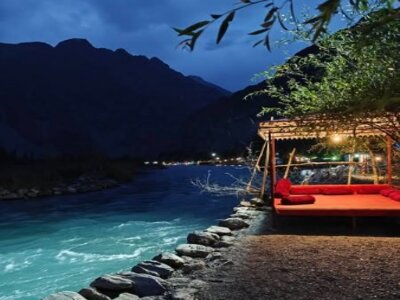
7. Riverside Camping
Hotel and camping facilities are available; you can choose either, but camping is recommended if you plan to stay overnight. It can be costly, but remember to negotiate the price if you cannot bring your own gear.
8. Trekking Nearby Meadows
Several well-marked trails suit different experience levels, from beginner day hikes to challenging multi-day treks. The Basho Pass trek offers spectacular views of peaks and valleys. The panoramic views from higher up will leave you feeling blessed.
9. Cultural Immersion
Homestay opportunities allow visitors to experience daily life alongside local families, participating in traditional cooking, farming, and crafts. Make sure to respect the locals and community traditions. Do not take pictures or videos where local people or other tourists are with their families. Ask permission before filming someone.
10. Natural Photography
The dramatic landscapes, traditional architecture, and local culture offer endless opportunities for photography enthusiasts. Recently, Basho Valley views have gone viral on social media with millions of views, thanks to talented photographers and videographers. You will return with at least 1000 photos from Basho Valley.
12. Stargazing solitude
Setting up a tent at Basho Meadows and watching the starry night, where you might spot the Milky Way if lucky, is a dream for all tourists. The views are unimaginable and will stay with you for life.
12. Bonfire Activity
No vibe beats the music of a fire under an open sky and a starry backdrop. Then have a chat with your loved ones and maybe sing a song!
13. Best Trips
Basho Valley is a perfect day trip for families visiting Skardu. In fact, if you wish to stay the night, it will be even better. Your kids and family will thank you for bringing them to Basho Valley.
Accommodation Options in Basho Valley
Guest Houses and Home Stays
Basho Valley has limited traditional accommodation:
Guest Houses: A few basic guest houses operate in Sultanabad village at the valley entrance. These offer simple rooms with basic amenities; don’t expect luxury, but appreciate authentic hospitality and home-cooked meals.
Home Stays: Some local families host visitors in their homes, providing the most authentic cultural experience. Accommodations are basic but clean, meals are home-cooked traditional Balti food, and interaction with families offers genuine cultural exchange.
Booking: Advance booking is difficult, as many places don’t have reliable phone/internet service.
Camping Options
Camping remains the most popular and atmospheric accommodation choice in Basho Valley, Skardu:
Established Campsites: Several areas in the main meadows offer basic camping facilities, including designated tent platforms, simple toilets, and sometimes small huts. Costs: PKR 1,000-5,000 per night.
Equipment Rental: Some sites rent tents and basic camping gear, though bringing your own ensures quality and fit.
Tour Company Camping: Professional tours provide complete camping setups, including tents, sleeping bags, meals, and staff, ideal for those seeking the camping experience without the equipment hassles.
Where to Stay Near Basho Valley
For those preferring comfort, base yourself in Skardu city (40-45 km away), where numerous hotels for all budgets are available. Make day trips to Basho Valley, though this means missing the magical experience of camping under stars in the meadows.
Skardu Accommodation Options:
- Budget hotels: PKR 2,000-5,000 per night
- Mid-range hotels: PKR 5,000-10,000 per night
- Upscale hotels (like near Shangrila): PKR 10,000+ per night
Food and Local Cuisine in Basho Valley
Traditional Balti Food
Balti cuisine in Basho Valley in Skardu reflects the harsh climate and traditional lifestyle:
Staples: Wheat and barley breads (various types of roti), meat (goat, chicken, sometimes beef), dairy products (butter, yogurt, cheese), and simple vegetable dishes.
Signature Dishes:
- Gooli: Traditional Balti bread stuffed with butter
- Mamtu: Steamed dumplings with meat or vegetable fillings
- Khura: Thick bread served with butter tea
- Balti Tea: Salted butter tea, an acquired taste but culturally significant
Flavors: Generally mild rather than spicy, emphasizing the natural flavors of ingredients. Limited use of spices compared to lowland Pakistani cuisine.
Availability of Restaurants and Local Meals
In the Valley: Food options are limited. A few small local establishments (essentially home kitchens) serve simple meals to visitors. Menu choices are minimal, typically rice, roti, dal (lentils), chicken or goat curry, and tea.
At Campsites: Many organized campsites prepare meals for guests, usually simple but filling mountain food. Quality varies, but portions are generally generous.
Self-Catering: Many visitors bring food supplies from Skardu, especially for camping trips. This ensures dietary preferences are met and reduces costs, though supporting the local food economy helps the community.
Final Thoughts on Visiting Basho Valley
Basho Valley, Skardu, exemplifies what draws adventure travelers to Pakistan’s northern regions: pristine natural beauty, authentic cultural experiences, and the satisfaction of discovering places largely unknown to mass tourism. While Hunza Valley attracts thousands and even Skardu’s main attractions face growing crowds, Basho retains the character of a true hidden gem.
This hidden status stems from its challenging access. The rough jeep track beyond Basho Bridge serves as a natural filter, screening out casual tourists while welcoming those genuinely interested in mountain adventures. This selective accessibility has preserved the valley’s environment and culture in ways that destinations with greater accessibility struggle to maintain.
The reward for those who make the journey is immense: landscapes that rival those of the Himalayas, opportunities to experience traditional Balti culture, wildlife viewing opportunities that have largely disappeared elsewhere, and the satisfaction of exploring one of Pakistan’s last remaining frontier valleys.